Author name: admin

How to Get Rid of a Stump Step by Step Guide
Landscaping

How to Get Rid of a Stump

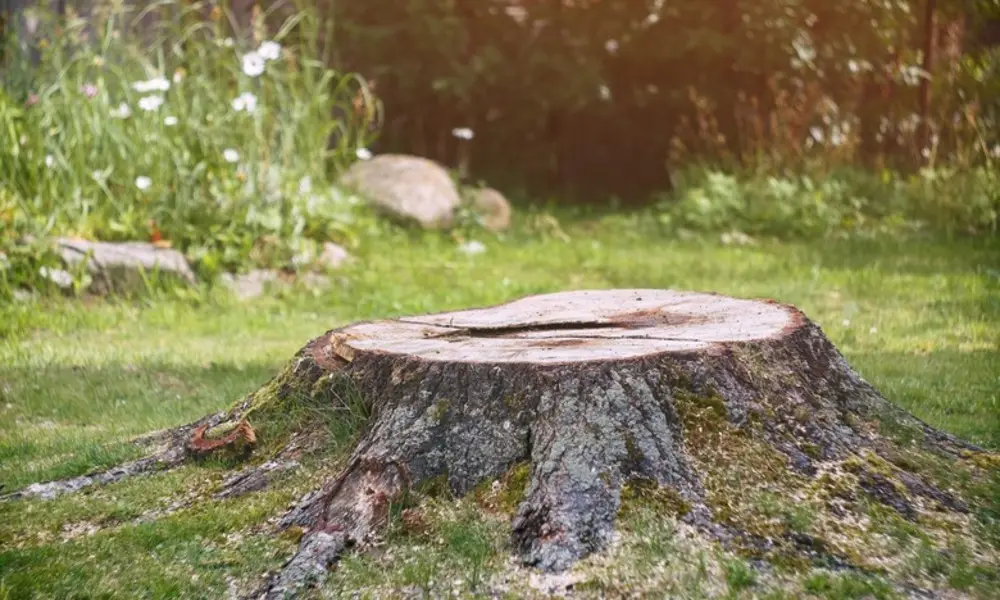
Tree stumps left for your backyard may be unattractive, absorb space, or even entice pests. Many house owners marvel the way how to get the rid of stump without spending an excessive amount of time or money. Luckily, there are numerous stump removal method  you could try, starting from easy DIY strategies to expert solutions.In this guide, we`ll provide an explanation for the whole thing you want to realize approximately DIY stump removal ,clean stump removal options, or even short stump removal in case you`re quick on time.Why You Should Remove a StumpBefore studying the way how to get rid of stump, it`s critical to recognize why stump elimination matters.Safety: Old stumps can motive journeys and falls, specifically for youngsters gambling withinside the backyard.Pests: Stumps entice termites, ants, and different bugs that could unfold on your home.Regrowth: Some stumps might also additionally sprout new shoots, main to undesirable small trees.Aesthetics: Removing stumps improves the general appearance of your lawn or garden.Space: Once removed, you could use that vicinity for planting, landscaping, or garden care.Stump Removal MethodsThere are one of a kind methods to do away with a stump. The proper approach relies upon in your budget, how an awful lot time you have, and whether or not you need to do it yourself or lease help. Let`s discover the maximum not unusual place options.1. Manual DIY Stump RemovalOne of the maximum cost-powerful methods is DIY stump removal. It calls for tools, effort, and endurance however may be profitable in case you decide upon hands-on work.Tools you`ll want: Shovel Axe or mattock Pruning noticed or chainsaw Garden gloves Safety goggles Steps for manual stump removal. Dig across the stump – Use a shovel to show the roots. Cut the roots – Use an axe, pruning noticed, or mattock to cut the roots. Loosen the stump – Continue digging and slicing till the stump turns into loose. Pull it out – With sufficient roots cut, you could pull out the stump manually or with leverage. This is powerful for small to medium stumps however can be very difficult for huge ones.2. Burning Method for Easy Stump RemovalIf digging sounds too difficult, burning may be an clean stump removal option. However, usually take a look at neighborhood guidelines earlier than beginning a fire.Steps to burn a stump: Drill numerous holes deep into the stump. Pour kerosene or stump remover chemical into the holes. Light the stump cautiously and allow it burn slowly. Once the hearth place dies, do away with the ashes and final wooden. Burning is straightforward however now no longer usually allowed in residential areas.3. Chemical Stump RemovalFor a short stump removal answer with out a lot effort, you could use chemical substances designed to interrupt down wooden fibers.Steps for chemical elimination: Drill deep holes into the stump. Fill them with chemical stump remover (potassium nitrate is common). Add water to set off the chemical. Wait some weeks because the stump softens and decays. Break aside the stump with an awl or shovel. This approach is slower than burning however calls for much less bodily work.4. Grinding the Stump If you need a quicker and expert manner of having rid of a stump, stump grinding is ideal. A stump grinder is a device that shreds the stump into small pieces. You can hire one from a hardware save or rent a expert. Grinding eliminates the seen stump however leaves the roots underground. This is one of the maximum green stump removal techniques for huge or more than one stumps.5. Natural DecompositionIf you`re now no longer in a hurry, you could allow the stump rot naturally. This is the slowest approach however the maximum eco-friendly.How to hurry up herbal rotting: Drill holes withinside the stump and fill them with nitrogen fertilizer. Keep the stump wet to inspire decomposition. Cover it with mulch or soil to entice moisture. It may also take months or maybe years, however it calls for no heavy work.DIY Stump Removal vs Professional ServicesYou can be questioning whether or not to do it your self or rent experts. Here`s a short comparison: DIY Stump Removal Professional Stump Removal Cheaper but more time-consuming Costs more but saves effort Best for small stumps Best for large or multiple stumps Requires tools and safety gear Done with proper equipment May take days or weeks Usually finished in a few hours Safety Tips for Stump RemovalNo count number which technique you pick out, preserve those protection hints in mind: Always put on gloves, boots, and goggles. Keep youngsters and pets away all through the process. Be careful whilst managing chemical compounds or hearthplace. If the usage of strength gear, comply with the manufacturer`s instructions.When in doubt, rent a professional.How to Prevent Stump Problems withinside the FutureOnce you already know the way how to get rid of  stump, it`s additionally beneficial to save you new ones. Remove the whole tree (inclusive of roots) whilst cutting. Hire experts for tree elimination to make sure no stump is left. Treat the soil after stump elimination to prevent regrowth. Final ThoughtsNow you already know numerous stump removal methods to pick out from. Whether you decide on DIY stump removal, a chemical solution, or hiring experts, the proper preference relies upon for your needs.If you`re seeking out easy stump removal,  attempt chemical compounds or burning. For quick stump removal , stump grinding is the satisfactory option. And in case you need a herbal, green manner, permit it decompose slowly. No count number which technique you pick out, disposing of that stump will make your backyard safer, cleaner, and extra beautiful.Frequently Asked Questions (FAQs)Q1: What is thefastest way to remove  a stump?The quickest manner is stump grinding, which eliminates the stump in only a few hours.Q2: Can I remove the stump with out gear?Yes, you may use chemical compounds for easy stump removal , however it’ll take weeks to melt the stump.Q3: How lengthy does it take for a stump to rot naturally?Natural rotting may also take 3–10

What Is Edging in Landscaping? Benefits & Uses
Landscaping

What Is Edging In Landscaping

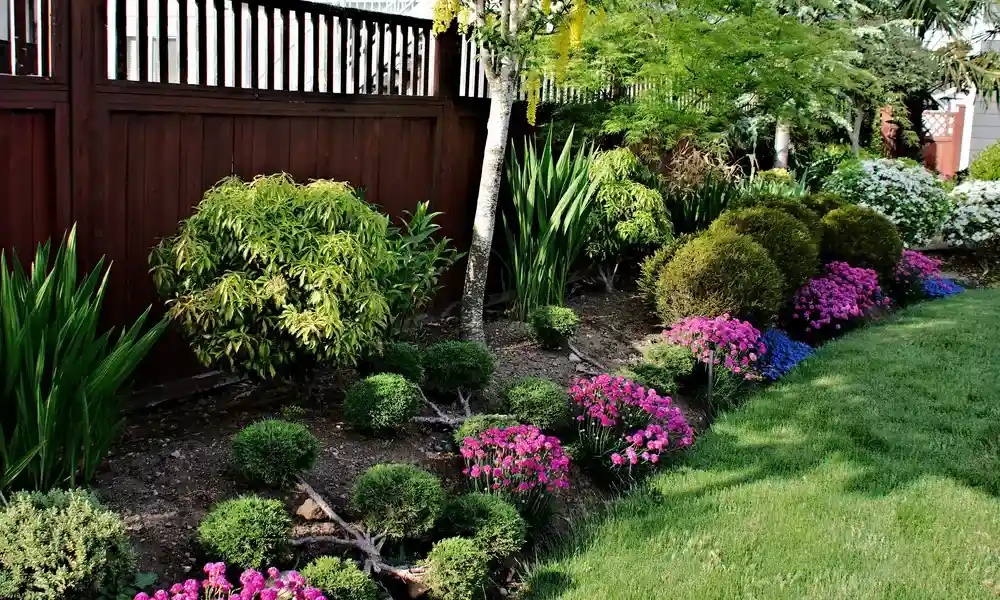
Edging plays a key role in giving outdoor spaces a clean and polished look while keeping different areas organized. Simply put, what is edging in landscaping? It’s the practice of creating defined borders between lawns, garden beds, driveways, or walkways. Quality landscaping edging not only enhances curb appeal but also prevents grass, mulch, or gravel from spreading out of place. By adding lawn edging, you make mowing and trimming easier while reducing long-term maintenance. In this article, we’ll explore why edging matters, the best options available, and tips for achieving lasting results.Uses of Landscape EdgingPrevents Grass and Weeds from SpreadingOne of the main uses of edging for landscaping is to stop grass and weeds from creeping into garden beds. By creating a physical barrier, edging keeps your plants protected and your yard low-maintenance.Creates Defined BordersEdging landscape projects instantly look more polished because edging establishes clean lines between lawns, flower beds, and pathways. This definition makes the entire outdoor space look organized and intentional.Improves Drainage and Soil RetentionLandscape edging also helps manage water flow and keeps soil where it belongs. Whether it’s rain or irrigation, edging prevents soil erosion, making your garden healthier and more sustainable.Enhances Outdoor AestheticsEdging is not just functional it also boosts curb appeal. By outlining spaces, edging adds structure and elegance to your landscape design, making your outdoor areas visually appealing and well-balanced.Types of Landscape EdgingFunctional EdgingLandscaping edging that focuses on function is perfect for controlling unwanted growth. It prevents grass and weeds from creeping into flower beds, vegetable gardens, or walkways. This type of edging is often made from durable materials like plastic, steel, or concrete to provide long-lasting protection. Homeowners who want low-maintenance yards benefit most from functional edging.Decorative EdgingLawn edging can also serve as a decorative feature, adding beauty and character to any outdoor space. Materials like natural stone, brick, or wood create stylish borders that complement the overall design of your yard. Decorative edging works well for homeowners who want their landscaping to make a strong visual impression while keeping pathways and garden spaces defined.Combination EdgingCombination landscaping edging merges both practicality and style. It improves the garden’s visual attractiveness and inhibits the growth of weeds and grass. For example, stone edging provides a natural look while serving as a sturdy barrier. This option is ideal for those who want an outdoor space that’s both attractive and easy to maintain.You may read How to Use Landscape Fabric?Landscape Edging StylesModern Minimalistic BordersClean lines and simplicity are key components of contemporary minimalistic borders. This style of edging for landscaping often uses sleek materials like metal, poured concrete, or smooth pavers to frame garden beds and pathways. Minimalist edging works especially well in contemporary homes where symmetry and order are key. It not only reduces maintenance but also gives the outdoor space a refined, structured appearance.Natural Stone and Rustic LooksFor a timeless and organic appeal, natural stone edging is a popular choice. This edging landscape style uses rocks, bricks, or flagstone to create borders that blend seamlessly with the environment. Rustic edging enhances gardens with native plants, cottage-style yards, or woodland landscapes. Because natural stone is durable and weather-resistant, it also provides a long-lasting solution that adds character and warmth to any outdoor design.Curved vs. Straight-Edge DesignsThe design of your border curved or straight can completely change the atmosphere of your yard. Straight-edge edging for landscaping offers structure and formality, making it suitable for modern or geometric layouts. Curved edging, however, feels softer and more inviting, guiding the eye naturally around flower beds or walkways. Many homeowners mix both styles in one landscape to balance formality with a touch of creativity.Custom Styles for Unique LandscapesNot every yard fits into one category, which is why custom edging landscape solutions are so valuable. Custom borders may combine different materials, such as wood and stone, or follow unique shapes that match the slope of your property. Whether you want bold, artistic lines or subtle, natural borders, custom edging allows you to personalize your outdoor space while maintaining both function and beauty.Costs of Landscape EdgingStone EdgingStone is one of the most durable options for edging landscape projects. It creates a natural, rustic look that blends seamlessly with plants and outdoor features. Stone edging is long-lasting, weather-resistant, and adds timeless charm to any yard.Brick EdgingBrick offers a classic and elegant border for gardens and pathways. It’s durable, versatile, and works well for both straight and curved lines. Brick edging for landscaping provides a neat, structured look that suits both traditional and modern designs.Concrete EdgingConcrete is strong, long-lasting, and ideal for creating permanent borders. It can be molded into custom shapes, making it perfect for unique edging landscape designs. Concrete edging is low-maintenance and works well in high-traffic areas.Metal (Steel/Aluminum) EdgingMetal edging delivers a sleek, modern appearance for contemporary landscapes. Steel and aluminum are flexible, making them great for curves and flowing garden designs. This type of edging for landscaping is durable, weather-resistant, and perfect for a clean, minimalistic look.Plastic/Composite EdgingPlastic or composite edging is affordable, lightweight, and easy to install. It’s highly flexible, which makes it excellent for curved or irregular borders. This option is perfect for DIY projects and quick updates to your yard’s appearance.Wood/Timber EdgingWood brings warmth and a natural feel to any outdoor space. It’s cost-effective, customizable, and works beautifully in rustic or cottage-style landscapes. Timber edging landscape solutions also add an earthy charm while keeping borders neat and defined.Why Choose Lakota Design Group for Landscape Edging49+ Years of ExpertiseWith over 49 years of hands-on experience, Lakota Design Group brings unmatched knowledge in edging landscape projects and full-scale outdoor transformations. Our team understands what works best for Bay Area properties, ensuring lasting beauty and functionality.Custom Solutions for Bay Area Homes & BusinessesEvery property is unique, which is why we design edging for landscaping solutions tailored to your home or commercial space. From modern minimalistic borders to natural stone styles, we create edging that complements your overall landscape design.Blending Edging with Full Design ServicesWe go beyond edging. Our team skillfully

How to Use Landscape Fabric Step by Step Guide
Landscaping

How to Use Landscape Fabric

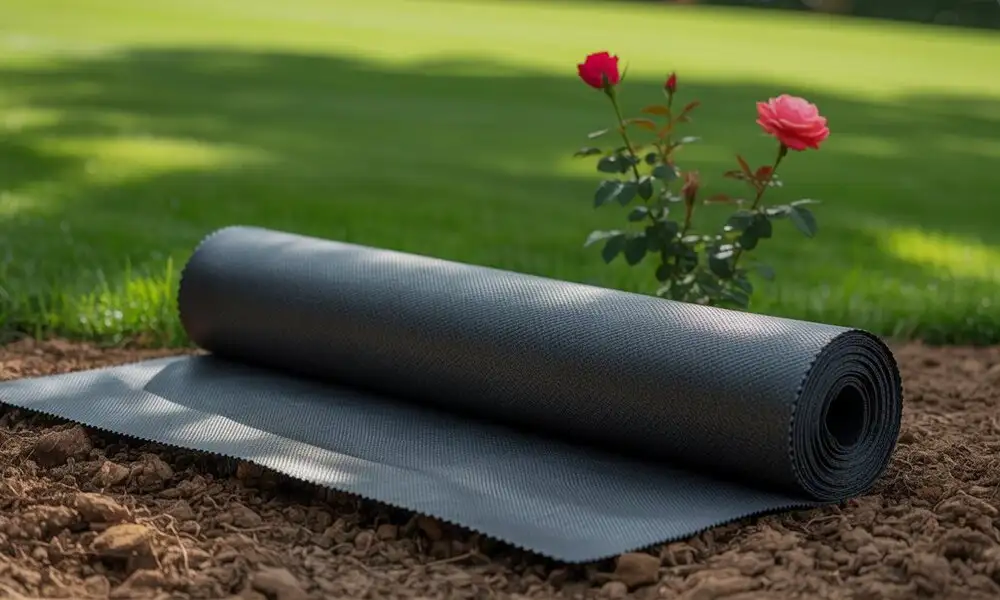
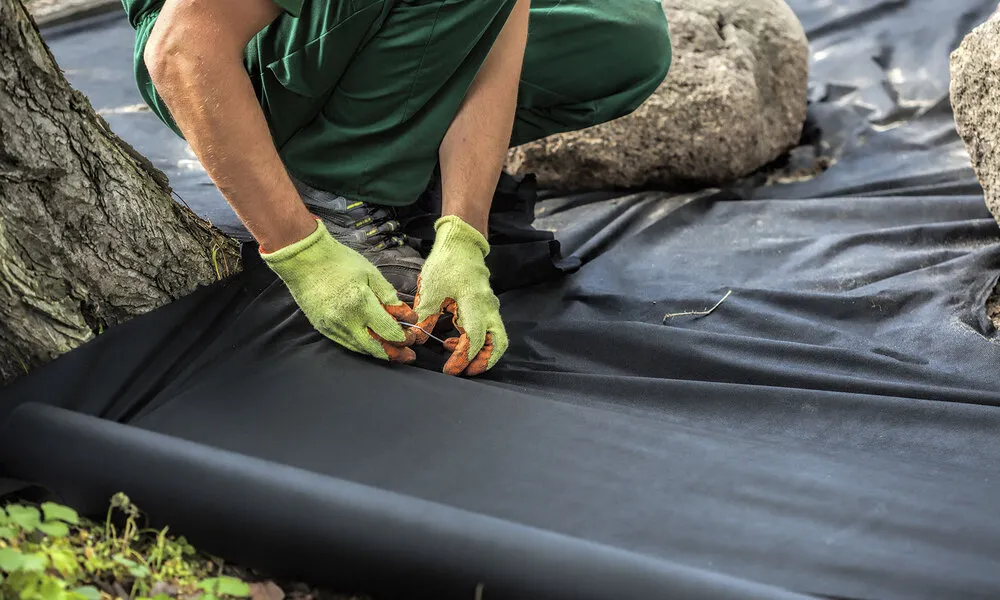
Gardening is a worthwhile hobby; however, weeds can quickly destroy the splendor of your backyard. One of the only methods to lessen weed boom even as retaining your soil healthy is with the aid of using landscape fabric. Many owners are precisely a way to use landscape fabric and whether or not it actually helps. In this guide, we`ll cover the entirety you want to know from installing landscape fabric to its pros and cons so that you can preserve your lawn looking clean and low-maintenance.What Is Landscape Fabric?Landscape cloth is a woven or non-woven cloth that gardeners vicinity on the soil earlier than adding mulch, rocks, or gravel. Its predominant motive is to dam daylight and save you weeds from sprouting, even as nonetheless permits water and vitamins to reach the soil. The use of landscape fabric is famous in flower beds, vegetable gardens, walkways, and beneath ornamental stones.Benefits of Using Landscape FabricBefore studying a way how to use landscape fabric, it`s critical to understand why it`s really well worth considering:Weed control – Stops weeds from developing with the aid of blocking daylight.Moisture retention – Helps soil live hydrated longer.Reduced maintenance – Less time spent weeding.Soil erosion prevention – Keeps soil in the vicinity beneath mulch or rocks.Improved lawn appearance – Creates a neat and polished look.Tools and Materials You`ll NeedTo begin laying landscape fabric, accumulate those supplies: Landscape cloth roll Scissors or application knife Garden staples or panorama pins Rake or shovel Mulch, rocks, or gravel (for masking the cloth) Step by Step Guide | How to Use Landscape FabricNow, let`s stroll through the method of putting in landscape fabric in your backyard or lawn.Step 1: Prepare the SoilClear the location where you intend the use landscape fabric. Remove weeds, grass, or antique mulch. Smooth the soil with a rake and make certain the floor is even.Step 2: Cut and Lay the FabricRoll out the landscape fabric over the organized soil. For large areas, overlap cloth edges with the aid of using as a minimum of 6–eight inches so weeds can not sneak through. This ensures effective laying of landscape fabric with full coverage.Step 3: Secure the FabricUse lawn staples or panorama pins to keep the cloth in place. Pin down the rims and middle to save you from shifting, mainly in windy areas.Step 4: Cut Openings for PlantsIf you’re planting flowers, shrubs, or vegetables, reduce an X-shaped beginning within the material where every plant will go. Gently fold the flaps, dig the hole, and region the plant.Step 5: Cover with Mulch or RocksFinally, cover the material with 2–three inches of mulch, gravel, or ornamental rocks. This now no longer best improves the look but additionally protects the material from UV rays and extends its life.Tips for Installing Landscape Fabric Correctly Always use high-quality, UV-resistant material for durability. Overlap seams to keep away from gaps wherein weeds can develop. Don`t skimp on staples—stable edges firmly. Replace mulch often to keep it fresh. Avoid overlaying material with too thick a layer of soil, as weeds can develop above it Common Mistakes to Avoid When Laying Landscape FabricMany house owners make small errors that lessen the effectiveness of the use of landscape fabric. Avoid those pitfalls:Not getting ready soil properly – Leaving weeds or roots beneath will cause destiny problems.Forgetting drainage – If water can’t bypass through, plant life might also suffer.Skipping plant holes – Cutting too small or too big openings influences plant growth.Leaving material exposed – Without mulch or rocks, material will degrade speedy in sunlight.Pros and Cons of Using Landscape FabricLike each gardening tool, the use of landscape fabric has its benefits and disadvantages.Pros:Long-term weed controlReduces want for herbicidesNeater lawn lookHelps save you from soil erosionCons:It can be hard to transport as soon as installedSome fabrics might also additionally limition water and vitamins over timeWeeds might also develop on the pinnacle if mulch isn’t maintainedBest Places to Use Landscape FabricFlower beds – Keep beds tidy and weed-free.Vegetable gardens – Reduce weeding workload.Pathways and walkways – Prevents weed boom below stones or gravel.Shrubs and trees – Help hold soil moisture around roots.Alternatives to Landscape FabricIf you’re uncertain approximately the use of landscape fabric, consider different weed management methods:Organic mulch (wooden chips, straw, or barkCardboard or newspaper layers below mulchGround cowl vegetation that obviously suppresses weedsThese options are greener green however may also require greater common replacement.Maintenance After Installing Landscape FabricOnce you end laying landscape fabric, proper care will make it ultimate longer:Inspect cloth yearly to test for tears or weed boom.Refresh mulch or rocks each year.Replace the cloth if it begins to go to pot after 5–10 years.Final ThoughtsLearning how to use landscape fabric is crucial for any gardener who desires to keep their backyard neat and loose from weeds. By getting ready the soil, nicely laying landscape fabric, and covering it with mulch or rocks, you may experience lengthy-time period weed management and an advanced lawn appearance. While there are pros and cons, whilst used effectively, the use of landscape fabric saves time, reduces upkeep, and enables the creation of a more fit lawn.Frequently Asked Questions (FAQs)Is landscape fabric good for all forms of gardens?Landscape fabric works exceptionally well for ornamental areas, pathways, and low-maintenance beds. For vegetable gardens, it may be useful; however, a few gardeners decide upon herbal mulches.How long does landscape fabric last?High-quality landscape fabric can ultimate 5–10 years if established effectively and protected with mulch or gravel.Can weeds nevertheless develop through landscape fabric?If established nicely with overlapping seams and mulch cover, only a few weeds will grow through. However, weeds can develop on top of mulch, so upkeep continues to be needed.Should landscape fabric go below mulch?Yes. Landscape cloth must constantly be located below mulch, gravel, or rocks to shield it from daylight and amplify its lifespan.Is installing landscape fabric really worth it?Yes, for maximum homeowners. It reduces weeds, saves time, and maintains gardens looking neat. However, you should set it up effectively for exceptional results.

Landscaping

How To Lay Landscape Fabric

If you’ve ever wondered how to lay landscape fabric, you’re in the right place. Landscape fabric also called a weed barrier or landscape fibre is a durable material designed to block unwanted weeds, retain soil moisture, and cut down on yard maintenance. By installing landscape fabric correctly, you can create a healthier, low-maintenance outdoor space that looks clean and well-kept. In this guide, you’ll learn how to choose the right weed barrier, why it’s important, and discover step-by-step instructions on how to lay landscape fabric with ease. Whether you’re enhancing a garden bed, pathway, or larger landscape project, following these tips will make installing landscape fabric a simple, rewarding task.Why Install a Weed Barrier? Installing a weed barrier is one of the simplest ways to keep your landscape neat, healthy, and low-maintenance. By using landscape fabric, you create a protective layer that offers multiple long-term benefits.Blocks weed growthA weed barrier stops invasive weeds from breaking through the soil. This reduces constant weeding and helps maintain a clean, polished look in your garden or yard.Retains soil moistureBy laying landscape fabric, water is allowed to pass through while slowing evaporation. This helps the soil stay moist longer, which is especially useful in hot climates.Enhances plant healthWith fewer weeds competing for nutrients and consistent soil moisture, your plants thrive. Healthy root systems mean stronger growth and vibrant blooms.Reduces need for chemical herbicidesSince the barrier prevents most weed growth naturally, you’ll need fewer chemicals. This creates a safer, eco-friendly landscape for families, pets, and wildlife.Best places to use a weed barrierWeed barriers are most effective in: Gardens and flower beds Pathways and walkways Under mulch or gravel Around trees and shrubs How to Choose the Right Weed Barrier When it comes to installing landscape fabric, choosing the right type makes all the difference. The right weed barrier not only controls weeds but also supports healthy plant growth and long-lasting results.Types of landscape fabric Woven fabric – Strong and durable, ideal for pathways and areas with heavy foot traffic. Non-woven fabric – Allows better water flow, making it suitable for garden beds. Biodegradable fabric – Breaks down naturally over time, perfect for temporary projects or eco-friendly gardening. Factors to consider Durability & thicknessThicker fabrics are best when you lay landscape fabric under gravel, stone, or mulch, while thinner ones suit garden beds.BreathabilityChoose a fabric that allows air and water to reach plant roots. Good breathability prevents soil compaction and keeps plants healthy.UV resistanceFor areas with direct sun, select a weed barrier with UV protection. This prevents early breakdown and ensures the fabric lasts longer.Intended use Garden beds → non-woven or biodegradable fabric. Pathways & walkways → woven fabric for extra strength. Around shrubs & trees → durable fabric with good water flow. Expert tipAlways match the barrier type to your specific project. A little planning before installing landscape fabric ensures better weed control, healthier plants, and long-term success.You may read Does Landscaping Increase Home Value?How to Lay Landscape Fabric in Five Easy Steps Weeds can quickly take over a beautiful yard, but using landscape fabric is an easy and effective way to keep them under control. It blocks weed growth, allows water to flow through, and reduces the need for constant maintenance. Follow these five simple steps for laying landscape fabric the right way.Step 1: Prepare the AreaStart by thoroughly clearing the area where you’ll be using landscape fabric. Remove existing weeds, grass, rocks, and other debris. Smooth out the soil with a rake and make sure the ground is level. A flat surface ensures the fabric lays properly and prevents gaps where weeds could grow.Step 2: Measure and Cut the FabricUnroll your fabric across the space and measure carefully. Cut it to fit the shape of your landscape, leaving an extra 6–8 inches around the edges for overlap. When covering larger areas, overlap each section by at least 2–3 inches to prevent weeds from finding a path through the seams.Step 3: Lay Down the FabricOnce cut, begin laying landscape fabric over the prepared soil. If your fabric has a shiny or textured side, place it facing up according to the manufacturer’s instructions. Make sure it sits flat against the ground without folds or wrinkles. For planting beds, cut “X” shapes into the fabric where plants will go, folding back the corners before planting.Step 4: Secure with Staples or PinsAnchor the fabric firmly using landscape staples or garden pins every 8–12 inches along the edges and across the middle. This keeps the material from shifting during wind, watering, or when adding mulch. Pay extra attention to securing corners and seams for maximum weed protection.Step 5: Cover with Mulch, Gravel, or RockFinally, cover the fabric with 2–3 inches of mulch, gravel, or decorative rock. This not only hides the fabric but also protects it from sunlight and wear. A proper covering ensures the fabric lasts longer while giving your yard a polished, professional finish.When to Call a Professional for Laying Landscape Fabric Laying landscape fabric may seem simple, but doing it right makes all the difference in keeping weeds out and protecting your outdoor investment. Many homeowners try it themselves, only to run into issues like fabric tearing, poor drainage, or weeds growing back through gaps.Signs You Should Call a Professional Uneven ground preparation – If the soil isn’t graded properly, the fabric won’t sit flat and weeds can push through. Large or complex areas – Slopes, tree roots, and oddly shaped spaces make installation tricky. Drainage concerns – Professionals know how to install fabric without blocking water flow. Long-term durability – DIY jobs often need replacing sooner; expert installation lasts longer. Why Choose Lakota Design GroupAt Lakota Design Group, we bring over 49 years of experience in transforming outdoor spaces. Our team ensures landscape fabric is laid with precision, protecting your garden beds, walkways, or artificial turf installations. Beyond just weed control, we integrate fabric installation into a complete landscape design plan that enhances the beauty and health of your property. Expert preparation for lasting

Does Landscaping Increase Home Value? ROI Explained
Landscaping

Does Landscaping Increase Home Value​

Does landscaping increase home value? Absolutely. A well-planned landscape not only boosts curb appeal but can also raise your property’s resale price by thousands. In fact, the landscape return on investment is among the highest of home upgrades, with many homeowners seeing a strong ROI on landscaping compared to other renovations. From creating inviting outdoor spaces to enhancing overall marketability, smart landscaping choices can make your home more appealing and more valuable.Why Landscaping Matters What is Landscaping in Terms of Home Value?Landscaping is the process of designing, installing, and maintaining outdoor areas to make them more beautiful and useful. In real estate, property value landscaping means creating a well-planned yard that not only looks attractive but also adds measurable worth to the home.Curb Appeal and First ImpressionsWhen potential buyers pull up to a home, the exterior is the first thing they notice. This is where curb appeal value comes in. A neatly trimmed lawn, vibrant plants, and professional landscape design instantly communicate that the property is well cared for. A strong first impression often sets the tone for how buyers view the entire home.What Research Says About Landscaping and BuyersStudies show that buyers place high importance on landscaping when comparing homes. According to real estate surveys, well-maintained landscapes can increase a property’s perceived value by as much as 5–12%. Buyers often associate healthy lawns, outdoor lighting, and clean design with lower maintenance and higher quality living making landscaping a key deciding factor in the purchase process.Understanding | Does Landscaping Increase Home Value? Yes, landscaping does increase home value. A well-designed and properly maintained yard is one of the most cost-effective improvements a homeowner can make. Landscaping that adds value to a property improves both its appearance and its usefulness, making it more appealing to purchasers and more enjoyable for present owners.Credible Data on ROIIndustry studies consistently show a strong ROI on landscaping. The National Association of Realtors (NAR) reports that homeowners can expect a 100%–200% return on certain landscaping projects. Virginia Tech research found that landscaping can increase a home’s overall value by 15%. According to Lawn & Landscape Magazine, landscaping ranks as one of the top three home improvements with the highest landscape return on investment, alongside kitchen and bathroom remodels. These numbers highlight why landscaping is not just an expense it’s an investment in both immediate market value and long-term equity.Factors That Influence ROI on Landscaping Location – Homes in competitive markets like California, Florida, or suburban neighborhoods see stronger returns from professional landscaping, as buyers compare properties side by side. Home Type – Luxury homes without quality landscaping often feel incomplete, while smaller homes with thoughtful outdoor design can command higher offers. Landscaping Quality – Professionally installed features such as irrigation systems, outdoor lighting, walkways, and native plantings provide better ROI than DIY or low-quality quick fixes. Long-Term vs. Short-Term Value Short-Term Benefits – Simple improvements such as seasonal flowers, fresh mulch, trimmed shrubs, and edged lawns create instant curb appeal. This helps homes sell faster and often for a higher price. Long-Term Benefits – Features like mature trees, drought-resistant plantings, artificial turf, and well-planned hardscapes continue to increase property value year after year. These elements reduce maintenance costs, improve sustainability, and keep the home visually appealing long-term. Why Landscaping is a Smart InvestmentWhen considering home upgrades, landscaping stands out because it improves beauty, livability, and marketability all at once. Whether it’s enhancing curb appeal value for a faster sale or adding outdoor living spaces that buyers now prioritize, landscaping offers one of the best returns on investment in real estate today.You may read 20 Home Landscaping Ideas.How Landscaping Can Boost Your Home’s Value by $15,000 or More Evidence That Landscaping Adds Significant ValueAccording to the National Association of Realtors (NAR), homeowners can see a return of 100%–200% on their landscaping investment, often translating to $15,000 or more in added home value. Research from Virginia Tech also found that homes with well-designed landscapes can increase in value by up to 15% compared to similar properties with poor landscaping. Clearly, property value landscaping is one of the smartest ways to maximize resale potential.Landscaping Improvements That Drive the Most Value 1. Lawn Care & Turf QualityA healthy, green lawn immediately improves curb appeal value. Regular mowing, fertilization, aeration, and even artificial turf installation can dramatically impact buyer perception. Well-kept turf is often seen as a sign of a well-maintained property overall.2. Trees and ShrubsMature trees not only add beauty but also provide shade, lower cooling costs, and enhance privacy. Strategically placed shrubs and hedges frame the home and create a polished, inviting look. In many cases, the presence of mature trees alone can add thousands of dollars to a property’s market value.3. Outdoor LightingLandscape lighting extends usability of outdoor spaces and highlights key features at night. From pathway lights to accent lighting on trees or architecture, this upgrade boosts safety, security, and aesthetics making it one of the highest ROI landscaping improvements.4. Pathways, Patios, and HardscapesWell-designed hardscapes like patios, walkways, or retaining walls create functional spaces for entertaining and movement. Buyers today often prioritize outdoor living, making these additions highly valuable. Durable materials such as stone or pavers further enhance the upscale look of a home.5. Low-Maintenance, Eco-Friendly DesignsMore and more people are choosing sustainable options like plants that can survive droughts, drip irrigation, or gardening with native species. These upgrades not only reduce water and maintenance costs but also appeal to environmentally conscious buyers, enhancing long-term property value landscaping.Aesthetic and Functional Benefits CombinedThe true power of landscaping lies in how it blends beauty with practicality. A colorful garden creates a welcoming first impression, while functional features like lighting and patios improve day-to-day living. Together, these elements maximize curb appeal value, increase home desirability, and can add $15,000 or more to your property’s resale price.Landscaping Projects That Increase Home Value Not all landscaping projects deliver the same return. Some upgrades consistently rank higher in terms of resale value and buyer appeal. Below are the top projects, ranked by their

Landscapers in Santa Clara CA | Trusted Local Experts
Landscaping

20 Home Landscaping Ideas

Home landscaping ideas play a big role in boosting curb appeal, enhancing outdoor comfort, and even increasing property value. A well-designed yard not only makes your home more inviting but also creates a space where you can relax and entertain. The best part is, there are house landscaping ideas for every lifestyle and budget whether you want something simple, stylish, or a complete transformation. From low-maintenance designs to budget-friendly tips and creative ways of landscaping around house, the options are endless. In this article, we’ll explore practical ideas, affordable upgrades, and when it’s worth bringing in a professional to maximize your outdoor space.Low-Maintenance Landscaping Ideas for Busy Homeowners If you want a beautiful yard without spending hours on upkeep, low-maintenance landscaping is the way to go. Here are some home landscaping ideas that not only look amazing but also save time and effort.Native Plants and Drought-Tolerant GardensChoosing native plants makes yard care simple. These plants naturally thrive in your local climate, so they need less water and maintenance. Pair them with drought-tolerant shrubs or succulents for a vibrant, eco-friendly garden.Rock Gardens and Gravel PathwaysRock gardens are one of the cool landscaping ideas that bring character to your outdoor space. Add gravel pathways for easy access and a stylish look. Both require very little maintenance compared to traditional lawns or flower beds.Artificial Turf for Easy CareIf mowing and watering feel like a hassle, artificial turf is a great solution. It stays green all year long, requires no fertilizer, and is pet-friendly—perfect for homeowners who want a clean, modern yard without the work.Smart Irrigation SystemsA smart irrigation system can save both time and water. These systems adjust watering schedules based on weather conditions, ensuring your plants get just the right amount of water.Budget-Friendly Home Landscaping Ideas That Look Luxurious Creating a stunning yard doesn’t have to cost a fortune. With the right approach, you can transform your outdoor space into something stylish and functional. Here are some house landscaping ideas that balance affordability with a touch of luxury.DIY Hardscaping with Gravel and StoneHardscaping projects like gravel patios or stone borders add structure and elegance to your yard without breaking the bank. These easy-to-maintain additions quickly improve the appearance of your area.Perennials for Year-Round GreeneryPerennials are a smart investment for landscaping around house areas. Once planted, they return year after year, giving you lasting greenery and seasonal color without constant replanting.Repurpose Household Items as PlantersInstead of buying expensive pots, repurpose items like wooden crates, tin buckets, or old barrels as planters. It’s a creative way to save money while adding unique charm to your garden.String Lighting and Solar Landscape LightingGood lighting can make even a simple yard look high-end. String lights create a cozy, inviting atmosphere, while solar-powered lights highlight pathways and plants—perfect for enhancing curb appeal on a budget.You may read Landscape Lighting Ideas.20 Home Landscaping Ideas to Transform Your Outdoor Space You may unwind, host guests, and make enduring memories in your outside area, which is an extension of your house.  Whether you have a sprawling backyard or a modest front yard, the right design can completely transform the look and feel of your property. Below are 20 home landscaping ideas that are budget-friendly, practical, and stylish.1. Front yard flower bedsNothing says “welcome” like a burst of colorful flowers at your front entryway. Choose seasonal flowers for vibrant year-round color, or combine perennials and shrubs for lasting impact. Flower beds are one of the simplest landscaping around house improvements to boost curb appeal.2. Vertical GardensIf space is limited, vertical gardens are a smart solution. Use wall-mounted planters, trellises, or garden towers to grow herbs, flowers, or even small vegetables. It’s a great way to maximize space while adding lush greenery.3. Water FeaturesThe sound of running water creates a peaceful retreat right at home. A small pond, bubbling fountain, or birdbath adds luxury and attracts wildlife to your yard. Even a tabletop fountain on your patio can make a big difference.4. Outdoor Seating ZonesTurn your yard into a comfortable living space with cozy seating. A patio set, hammock, or built-in bench provides the perfect spot to unwind, enjoy meals outdoors, or host guests.5. Pathways with Stepping StonesStone or gravel pathways help connect spaces in your garden while adding a natural design element. They’re practical, stylish, and make walking through your yard a pleasant experience.6. Native Plant GardensPlanting native species reduces maintenance and water use since they’re already adapted to your climate. Native plants also support pollinators and local wildlife, making your garden eco-friendly and beautiful.7. Fire PitsA fire pit creates a year-round gathering space where family and friends can enjoy evenings together. You can choose a portable fire bowl or a built-in stone design, depending on your budget and style.8. Pergolas or TrellisesAdding a pergola provides shade and structure to your yard. Trellises can support climbing plants like roses or ivy, creating a lush, romantic feel. Both options define outdoor zones while enhancing the look of your space.9. Edible GardensCombine beauty with practicality by growing your own food. Herbs, vegetables, and fruit trees not only reduce grocery costs but also add fresh scents, colors, and textures to your yard.10. Artificial Turf for LawnsIf mowing and watering take up too much of your time, artificial turf is a low-maintenance solution. It stays green year-round, requires no fertilizer, and is perfect for families and pets.11. Shade Trees for ComfortTrees are long-term investments that add comfort, privacy, and curb appeal. They provide cooling shade during hot summers and enhance property value over time.12. Succulent ArrangementsSucculents are low-water plants that thrive in containers, rock gardens, and borders. Mix different textures and shapes for a modern, minimalist aesthetic.13. Raised Garden BedsThese beds make gardening easier by reducing strain on your back and improving soil drainage. They’re perfect for vegetables, flowers, or even small shrubs.14. Garden Edging for StructureAdding edging around flower beds or pathways defines spaces and keeps your garden looking tidy. Choose from stone, wood, or metal for a polished finish.15. Outdoor Lighting LayersLighting is

How to Cut Concrete Pavers Step by Step Guide
Uncategorized

How To Cut Concrete Pavers

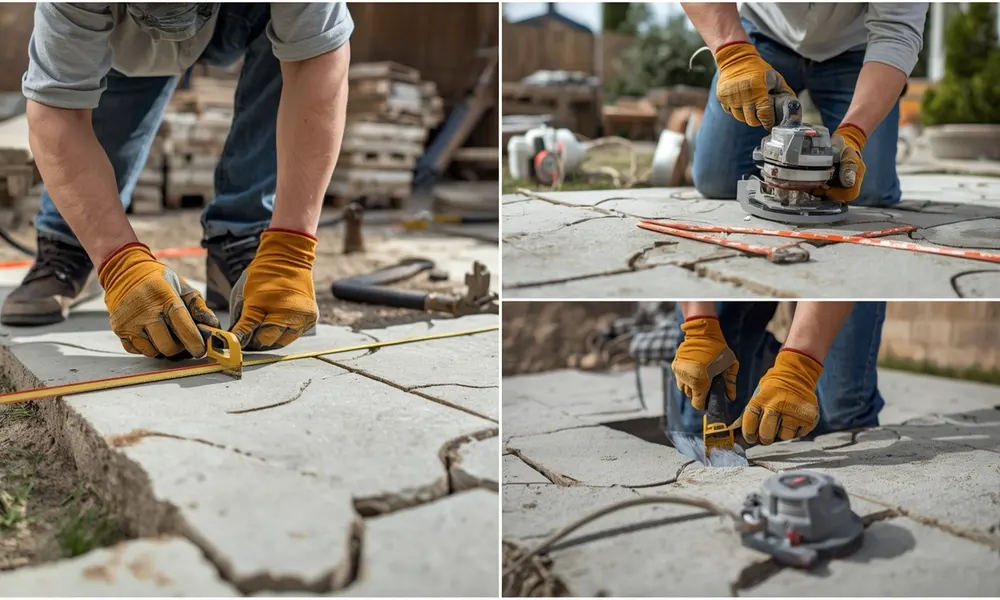
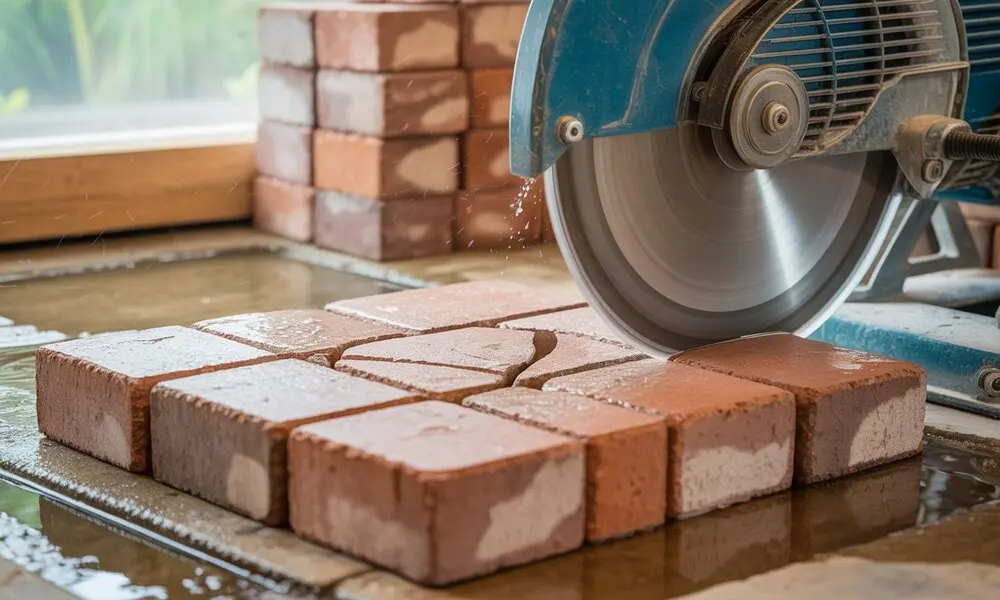
How to cut concrete pavers is an essential skill for achieving a clean, professional-looking finish in your landscaping project. Whether you’re working on a patio, walkway, or driveway, cutting concrete pavers is often necessary to fit them neatly around edges, corners, or unique design patterns. While it may seem intimidating at first, cutting paver stones is a manageable DIY task when you have the right tools and follow the proper steps. This ensures your outdoor space looks seamless and well-crafted.What You’ll Need Essential Tools & Safety Gear: Safety gloves – keep your hands safe when you touch sharp edges. Safety goggles – shield your eyes from flying debris Dust mask – prevents inhaling fine dust while cutting concrete pavers Measuring tape – ensures accurate sizing before cuts Pencil or chalk – for marking cut lines on paver stones Masonry saw (or circular saw with diamond blade) for making straight, exact cuts Chisel – useful for scoring and snapping pavers Hammer or mallet – to break scored pavers cleanly Optional Advanced Tools (for smoother, cleaner cuts): Wet saw – reduces dust and gives a polished finish when cutting paver stones Angle grinder – helpful for small or curved cuts Paver splitter – quick, efficient cuts without electricity How to Cut Concrete Pavers | Step-by-Step Guide Step 1: Measure and MarkStart by taking accurate measurements of the area where the paver will fit. Use a measuring tape and pencil to mark clear lines on the paver. Precise marking is critical because even a small mistake can throw off the alignment when you cut concrete pavers or when cutting edging stones for borders.Step 2: Choose Your Cutting MethodDecide which tools are best for your project: Hand Tools (Hammer and Chisel): Ideal for small projects or when you only need a few cuts. This method works well for rough breaks in cutting edging stones. Power Tools (Masonry Saw or Angle Grinder): Perfect for larger projects requiring smooth, accurate cuts. These are more efficient when you need to cut concrete pavers with precision. Step 3: Score the PaverBefore making a full cut, score the paver by creating a shallow groove along your marked line. Use a chisel and hammer to lightly tap the line or run the saw blade across it. This groove acts as a guide and reduces the risk of uneven breaks.Step 4: Make the CutUsing your chosen method, carefully cut concrete pavers along the scored line. For hand tools, place the chisel into the groove and strike it firmly with the hammer until the paver splits. For power tools, steadily guide the saw or grinder through the paver for a clean cut. Tips for smoother cuts: Keep the pressure steady, let the blade do its job, and use a wet saw to keep dust and cracks to a minimum. Step 5: Check the FitPlace the newly cut paver into its intended spot. Confirm it aligns with surrounding pavers and adjust if necessary. A correct fit ensures a polished, professional look.Step 6: Finishing TouchesSmooth out any rough edges with a masonry file or grinder. Once satisfied, clean off dust and debris, then set the paver into place. Proper finishing makes a big difference when cutting edging stones for borders or patterns.If you’re looking for professional paver installation services in San Jose, trust Lakota Design Group. With over 49 years of experience, we deliver durable, beautiful, and seamless paver designs for patios, driveways, and walkways.How to Cut 12×12 Concrete Pavers Working with 12×12 concrete pavers requires more planning than smaller ones because of their size, thickness, and weight. Cutting them right makes sure that your patio, walkway, or driveway has smooth edges and looks professional.Special Considerations for Larger Pavers Heavier weight: Large pavers are more difficult to handle, so always support them evenly before cutting. Higher break risk: Without proper scoring, they can crack unpredictably. Taking time to groove the paver reduces this risk. Stable surface required: Place the paver on a solid, flat base to keep it from rocking during the cut. Project design needs: Large pavers often form the main structure of patios and driveways, so precise cuts are critical for clean lines and strong placement. Best Tools for Thicker/Heavier Cuts Wet Saw with Diamond Blade: The top choice for smooth, accurate cuts on thick concrete. The water cools the blade, controls dust, and prevents chipping. Masonry Saw: Excellent for professional projects with many large pavers to cut. It’s built to handle both thickness and density. Angle Grinder with Diamond Blade: Best for trimming edges, shaping corners, or making small adjustments when fitting around landscaping features or cutting edging stones. Chisel and Hammer: Can still be used, but only if you don’t mind rougher breaks better suited for rustic looks rather than precise finishes. Extra Safety Precautions Protective gear is a must: Heavy-duty gloves, safety goggles, ear protection, and a dust mask should always be worn when you cut concrete pavers of this size. Work slowly and steadily: Forcing the blade can cause kickback or cracks. Let the tool do the work. Teamwork helps: Larger pavers can be awkward to move and position—having someone assist reduces the risk of dropping or damaging them. Minimize dust: Use wet-cutting whenever possible to control airborne concrete dust, which can be harmful if inhaled. Clear workspace: Keep your cutting area free from clutter so you have room to safely maneuver the tools and pavers. By following these steps and using the right tools, you can achieve professional-quality results when cutting 12×12 concrete pavers, even for DIY landscaping projects.When You Will Need Professional Help Even though cutting concrete pavers can be a manageable DIY project for smaller jobs, there are many situations where hiring experts is the smarter choice. Without the right tools or training, you risk cracked pavers, uneven cuts, wasted materials, and safety hazards. This is where Lakota Design Group can make all the difference.Situations Where DIY Isn’t Practical Large-Scale Projects: Walkways, patios, or driveways that require cutting dozens of pavers can be overwhelming

What Is the Best Infill for Artificial Turf Explained
Landscaping

What Is The Best Infill For Artificial Turf

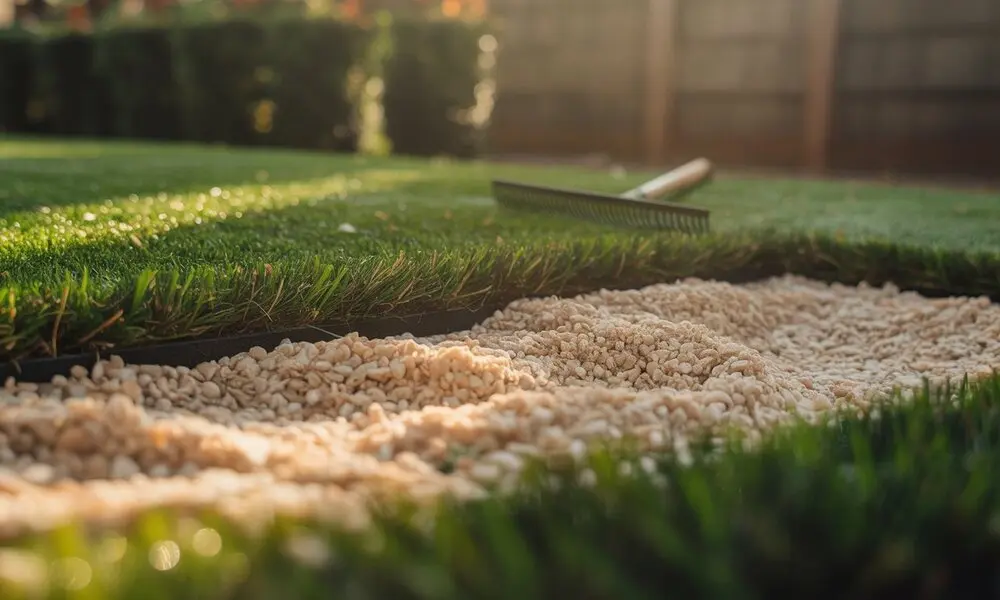
What is the best infill for artificial turf is a key consideration when installing a synthetic lawn. Artificial grass infill, also called infill for turf, plays an important role in keeping the blades upright, adding cushioning, and improving drainage. Choosing the right option ensures your turf looks natural, feels comfortable, and lasts longer. In this guide, we’ll explain why infill is needed, explore the different types available, and help you decide which option is right for your project.What is Artificial Turf Infill? The material that goes between the blades of synthetic grass to make it heavier, more stable, and longer-lasting is called artificial turf infill. The grass would look flat and wear out rapidly without it. The infill for fake grass keeps the blades standing up straight, which makes the lawn look more natural and easier to walk on.How turf infill worksWhen installed, fake grass infill settles between the blades of turf and fills the space at the base. This provides support, cushioning, and protection for the turf backing. It also helps distribute weight evenly, preventing matting and ensuring the turf stays in place even with heavy foot traffic.Common materials used in infillThere are many types of infill for fake grass, and each has its own pros and cons. Silica sand, crumb rubber, coated sand, and organic materials like cork or walnut shells are the most prevalent forms.  These materials provide different levels of cushioning, drainage, and cooling to suit residential and commercial turf applications.Why Is Infill Needed For Turf? Infill plays a critical role in maintaining both the performance and appearance of artificial lawns. Synthetic turf infill isn’t just an extra step—it’s what makes turf durable, safe, and natural-looking. Without infill for turf, the grass blades would quickly flatten, the surface would feel hard, and drainage would be less effective.Cushioning and shock absorptionSynthetic turf infill makes the surface softer and more comfortable by absorbing impact. This cushioning reduces stress on joints, making the turf safer for activities like running, playing, or exercising.Keeps turf blades uprightOne of the main benefits of infill for turf is how it supports each blade. The material sits at the base, keeping the blades standing tall, which gives the lawn a realistic, lush appearance.Improves longevity and drainageBy weighing the turf down, synthetic turf infill prevents shifting and wear. It also helps water drain properly through the turf backing, reducing puddles and keeping the surface usable year-round.Safety for pets and childrenInfill for turf enhances safety by creating a stable, cushioned surface. Whether it’s pets running across the lawn or kids playing, the infill reduces the risk of slips, falls, and hard impacts.You may read How to Install Artificial Grass on Concrete?What Types Of Turf Infill Options Are Available? When choosing synthetic turf infill, it’s important to understand the different options available and their specific benefits. The right infill for turf depends on whether it’s for residential lawns, sports fields, or pet-friendly spaces.Silica sandSilica sand is one of the most cost-effective and widely used choices. This type of infill for turf adds weight and stability, keeping the blades upright while providing a natural look.Crumb rubberCommonly used in athletic fields, crumb rubber offers excellent cushioning and shock absorption. This type of synthetic turf infill is designed for high-impact activities, giving athletes extra support and safety.ZeoliteZeolite is a popular choice for pet owners because it naturally absorbs and controls odors. This infill for turf keeps lawns fresh while maintaining stability and drainage.Durafill / sand-coated acrylicDurafill, or sand-coated acrylic, is a non-absorbent option that resists compaction. This synthetic turf infill is long-lasting, safe, and doesn’t retain moisture, making it ideal for residential and commercial applications.Organic infillEco-friendly choices like cork, coconut fibers, and walnut shells are growing in popularity. These natural infill for turf options are sustainable, biodegradable, and provide a softer, cooler surface.What Is The Best Infill For Artificial Turf? Choosing the best infill for artificial turf depends on how the turf will be used. Different infill materials provide unique benefits for durability, safety, odor control, and sustainability. By comparing options, you can select the synthetic turf infill that best matches your needs whether it’s for a backyard, sports field, or pet-friendly lawn.Factors to considerWhen selecting infill for turf, consider: Purpose: The purpose could be for homes, pets, kids’ play spaces, sports, or business. Durability: how well it withstands heavy use Safety: cushioning and shock absorption Maintenance: odor control, cleaning, and drainage Eco-friendliness: sustainable and non-toxic options Comparison of turf infill options Infill Type Cost Durability Safety Maintenance Eco-Friendly Silica Sand Low Moderate Moderate Low upkeep Neutral Crumb Rubber Moderate High High (cushion) Moderate Low Zeolite Moderate Moderate Good Excellent (odor control) Neutral Durafill (Coated Sand) Higher High Safe/Non-toxic Low upkeep Neutral Organic (Cork, Walnut) Higher Moderate Good Moderate High Recommendations For pets → use Zeolite or Durafill because they are safe and keep smells away. For kids and play areas → A rubber + sand mix for extra cushioning and fall protection For sports grounds →  rubber infill is the greatest choice because it absorbs shock and lasts the longest. For homeowners who care about the environment → Use organic materials like cork or walnut shells for a long-lasting fix. If you want professional turf installation service in San Jose or nearby areas, contact Lakota Design Group. Our experts provide high-quality artificial turf solutions that enhance your outdoor space with durability, beauty, and low maintenance. Reach out today to transform your landscape!How Much Infill Do I Need For Artificial Turf? The amount of infill for turf depends on the type of application and the height of the synthetic grass blades. In general, synthetic turf infill is measured in pounds per square foot, with the goal of keeping blades upright, improving stability, and ensuring long-lasting performance.General rule of thumbMost installations require 1 to 3 pounds of infill per square foot. Shorter turf pile heights may need less, while taller, thicker turf blades need more infill to maintain support and prevent flattening.Variables that affect infill amount Turf pile height –

How Much Paver Base Do I Need | Easy Guide
Landscaping

How Much Paver Base Do I Need

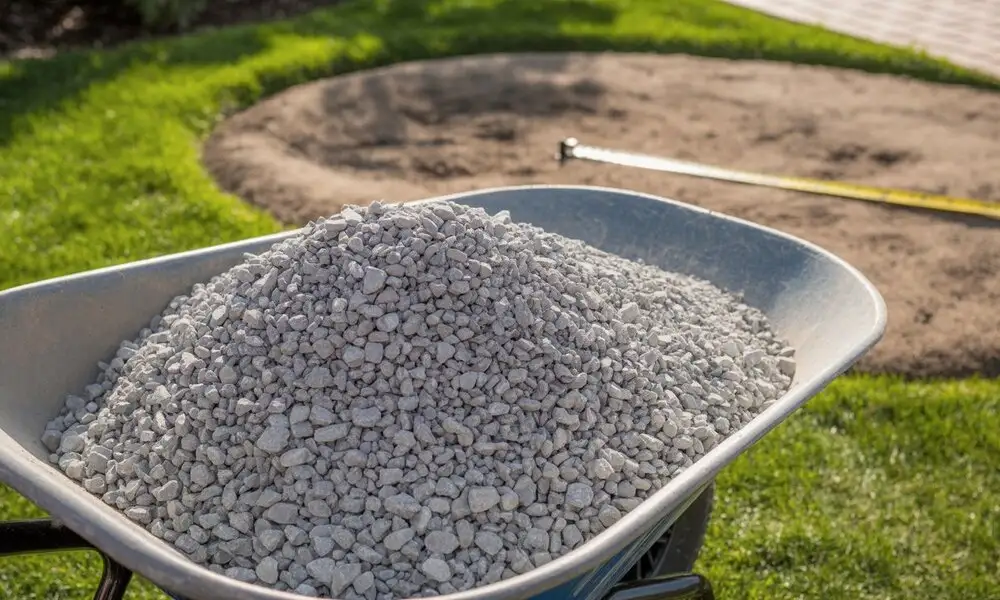
Imagine stepping into your backyard and seeing perfectly level, beautiful pavers that enhance your outdoor space year after year. No sinking spots, no puddles just a solid, long-lasting patio you can enjoy with family and friends. The secret to achieving this? A strong, well-prepared base that sets your pavers up for success.After completing over 300 patio projects across the San Jose area, we’ve seen firsthand that understanding how much paver base do I need is the key to building a patio that lasts for decades. In this guide, we’ll walk you through simple, proven steps to calculate your paver base correctly so you can create a beautiful, durable outdoor space you’ll be proud of.Why Your Paver Base Is More Important Than the Pavers Themselves Your paver base is like a house foundation it determines whether your project lasts 2 years or 20 years. The base layer spreads weight, manages water drainage, and prevents settling.Without adequate paver base thickness, pavers sink unevenly. We tested two identical 10×10 patios: one with proper 6-inch compacted base and another with just 3 inches. After one winter, the shallow base showed settling in four locations. The proper base? Still level three years later.Water trapped beneath pavers causes frost heave, soil erosion, and accelerated deterioration. The right paver patio base depth (4-6 inches minimum) channels water away before damage occurs.One client’s driveway had only 4 inches of base instead of the required 8 inches. Within 18 months, multiple low spots collected water. The repair cost $8,500—nearly double what proper installation would have cost initially.Understanding Paver Base Materials: What Works and What Doesn’t Choosing the right base material is critical. Here’s what you need to know:Crushed Stone (¾-inch Clean or Dense Grade)The gold standard for paver projects. Angular edges lock together during compaction, creating a stable foundation that resists movement.Key benefits: 95-98% compaction density Excellent drainage Superior load-bearing for pedestrian and vehicle traffic Minimal settlement when properly compacted Cost: $40-60 per cubic yard. One cubic yard covers 80 square feet at 4 inches deep after compaction.Crushed GravelBudget-friendly for walkways and low-traffic areas. Rounded edges don’t compact as tightly as crushed stone, so add 1-2 inches beyond standard depth recommendations when using gravel.Sand: Understanding Its Proper RoleSand is NOT a base material—it’s a 1-inch bedding layer that goes on top of compacted stone. Using sand alone as your base guarantees settling within the first year.Recycled Concrete Aggregate (RCA)Eco-friendly and 20-30% cheaper than virgin crushed stone while performing comparably. Quality varies by source, so buy from reputable suppliers.Best Options by Project TypePatios: Crushed stone or RCA (6-inch depth) + 1 inch sand Driveways: Crushed stone or RCA (8-12 inch depth) + 1 inch sand Walkways: Crushed stone, RCA, or gravel (4-6 inch depth) + 1 inch sandYou may read You may read How To Install Pavers On Dirt?Step-by-Step | How to Calculate Exactly How Much Paver Base You Need Follow this proven method to calculate paver base accurately and avoid material shortages.Step 1: Measure Your Project AreaMeasure length and width in feet, then multiply for square footage. For irregular shapes, break into rectangles, measure each, and add together.Pro tip: Add 6 inches beyond your paver area on all sides for edge support.Example: 12 ft × 16 ft patio = 192 sq ft With edge support: 13 ft × 17 ft = 221 sq ftStep 2: Determine the Right Paver Patio Base DepthWalkways & light patios: Standard soil: 4 inches base + 1 inch sand Clay soil: 6 inches base + 1 inch sand Standard patios: Standard soil: 6 inches base + 1 inch sand Clay soil: 8 inches base + 1 inch sand Driveways: Standard soil: 8 inches base + 1 inch sand Clay soil: 10-12 inches base + 1 inch sand Step 3: Convert to VolumeFormula: Square footage × depth (in feet) = cubic feetExample: Area: 221 sq ft Depth: 6 inches = 0.5 feet Calculation: 221 × 0.5 = 110.5 cubic feet Convert to cubic yards: 110.5 ÷ 27 = 4.1 cubic yardsStep 4: Add Compaction FactorBase material settles during compaction. Add 15-20% to avoid shortages.Example: 4.1 × 1.20 = 4.9 cubic yards Order: 5 cubic yards (always round up)Quick Reference Chart10×10 patio (6″ base): 2.3 cubic yards base + 0.4 cubic yards sand 12×16 patio (6″ base): 5 cubic yards base + 0.7 cubic yards sand 12×20 driveway (8″ base): 8.9 cubic yards base + 0.9 cubic yards sand 20×20 driveway (10″ base): 18.5 cubic yards base + 1.5 cubic yards sandUsing a Paver Base CalculatorOnline calculators provide quick verification, but most don’t include the compaction factor. Always add 15-20% to calculator results.Critical Mistakes That Ruin Paver Projects (And How to Avoid Them)After repairing hundreds of failed installations, we’ve identified mistakes that cause 90% of premature failures.Mistake #1: Inadequate Paver Base ThicknessReducing base depth to save money backfires. One local patio used 3 inches instead of 6 inches, saving $400 initially. After one winter, 11 settled areas required complete reinstallation costing $6,200.Solution: Never reduce base thickness below recommendations. If budget is tight, reduce project size instead.Mistake #2: Poor or No CompactionBase material must be compacted in 2-3 inch layers using a plate compactor. Simply spreading 6 inches and compacting once doesn’t work.Proper technique: Spread 2-3 inches of base Compact with multiple passes Add next layer Repeat until reaching desired depth Rent a plate compactor ($75-100/day) for projects over 100 square feet. Hand tampers don’t provide sufficient compaction.Mistake #3: Using Wrong Base MaterialSand-only base: We’ve seen DIY projects using 6 inches of sand because it’s easier. Every single one failed within 18 months.Correct approach: Use crushed stone or gravel for base depth, topped with only 1 inch of sand as bedding layer.Mistake #4: Ignoring DrainageAll paver surfaces need minimum 1% slope (1 inch drop per 10 feet) away from buildings. Without proper drainage, water weakens the base and causes freeze-thaw damage.Mistake #5: Skipping Edge RestraintWithout solid edging, pavers gradually creep outward. Install commercial-grade edge restraint spiked into the base around the entire perimeter for long-term stability.When

How to Cut Curves on Brick Pavers Step-by-Step Guide
Landscaping

How To Cut Curves On Brick Pavers

How to cut curves on brick pavers is a must-know skill for creating landscapes that look polished and function flawlessly. Whether you’re shaping paving stones curved for a winding garden path, or installing curved edge pavers to soften the look of a patio or border, precision cuts ensure each piece fits seamlessly. Curves aren’t just about visual appeal they improve flow, guide foot traffic naturally, and help your outdoor design blend with the surrounding environment. In this guide, you’ll discover the essential tools, different types of curves, a simple 7-step process for perfect cuts, and when it’s best to bring in professional help for flawless results.Recommended Tools for Cutting Curves on Brick Pavers When working with paving stones curved or installing curved edge pavers, having the recommended tools ready ensures smooth, accurate cuts and a professional finish. Brick Saw (Wet Saw): Ideal for making precise, smooth curve cuts while reducing dust with water. Angle Grinder with Diamond Blade: A portable option for shaping and trimming pavers on-site. Measuring Tape & Chalk Line: Essential for marking exact curves before cutting. Safety Gear (Goggles, Gloves, Ear Protection): Protects against debris, sharp edges, and loud noise during cutting. Masonry Chisel & Hammer: Useful for fine adjustments or achieving a more rustic finish after initial cuts. Clamps or Workbench: Keeps pavers secure while cutting for better accuracy and safety. Types of Curves You Will Need to Cut for Brick Pavers When working with curve brick pavers, understanding the different curve styles ensures a professional, seamless fit. Planning the layout ahead of time prevents wasted materials and ensures smooth transitions. Here are the main types of curves you’ll encounter when installing pavers curved for landscaping projects.Gentle curves Gentle curves are ideal for wide garden paths or driveways, giving a soft, flowing appearance. These curves require minimal cutting and create a natural, welcoming feel in large outdoor spaces.Tight curvesTight curves work best for flowerbed edges or small circular patios where space is limited. They involve precise cuts to maintain shape without gaps, ensuring a clean and polished border.S-shaped curves S-shaped curves bring an artistic flair to pathways or garden designs. This type of curve adds movement and interest, perfect for winding paths that guide visitors through the landscape.Radius curves Radius curves are essential for creating perfect circles, such as around fire pits or seating areas. Careful measuring and consistent cuts are key for achieving a symmetrical look that stands out as a focal point.You may read How To Install Pavers On Dirt?How to Cut Curves on Brick Pavers in 7 Easy Steps Knowing how to cut curves on brick pavers in 7 easy steps will help you achieve smooth, professional results whether you’re shaping pavers curved for a pathway or creating a striking circular patio. With the right tools, patience, and careful planning, you can fit curve brick pavers seamlessly into any landscape design without awkward gaps or uneven edges.1. Plan and mark the curve Use chalk, a garden hose, or a flexible edging strip to outline the exact shape. This helps visualize where your curved edge pavers will go before making any cuts and ensures the layout flows naturally with your overall design.2. Secure the paver Place the paver on a stable surface and clamp it in place. Keeping it steady is crucial for accuracy and safety while cutting, especially when dealing with intricate or tight curves.3. Score the curve line Make a shallow pass along the marked line with your saw blade. This guide cut reduces chipping, keeps the curve on track, and makes the final cutting stage much smoother.4. Make the main cut Follow the scored line slowly, letting the saw do the work. For tight turns or complex shapes, make multiple smaller cuts instead of forcing the blade, which could crack the paver.5. Adjust and smooth edges Use a masonry grinder or chisel to refine the curve. This step ensures your curved edge pavers fit perfectly against adjacent pieces and maintain a clean, finished look.6. Check the fit Dry lay the pavers in place to confirm they match the design and align with surrounding pavers curved along the layout. This prevents mistakes before permanent installation.7. Install and finishSet the pavers in position, fill the joints with sand, and compact the area to lock everything in place. This step completes your smooth, professional-looking curve brick pavers.Safety Tips While Cutting Curves Set the pavers in position, fill the joints with polymeric or jointing sand, and compact the area to lock everything in place. This step completes your smooth, professional-looking curve brick pavers and enhances the durability of your project.Safety Tips While Cutting CurvesCutting curve brick pavers requires precision, but safety should always come first. Whether you’re working on pavers curved for a pathway or shaping curved edge pavers for a patio, following proper safety practices helps prevent accidents and ensures cleaner results.Always wear protective gearUse safety glasses to shield your eyes from flying debris, gloves to protect your hands, and ear protection to reduce noise exposure from saws and grinders. A dust mask or respirator is also essential to avoid inhaling fine dust particles created when cutting pavers.Avoid working in wet conditionsMoisture increases the risk of slipping and can also make power tools more hazardous to operate. Always choose a dry, stable workspace before starting, and keep your tools free from water exposure to prevent electrical hazards.Work slowly to maintain control and accuracyRushing the process can lead to jagged cuts, broken pavers, or personal injury. Move the saw along the marked curve at a steady pace, letting the blade do the work rather than forcing it. This not only produces smoother curved edge pavers but also reduces the chance of tool kickback.When to Hire Professional Help Knowing when to hire professional help can save you time, money, and frustration especially when working with pavers curved into intricate designs. If your project requires complex curves, large quantities of cuts, or high-end specialty materials, mistakes can be costly. Professional installers have the expertise and equipment

Our Client's Reviews

Copyright © 2025 | Localpro1 | All Rights Reserved.

English