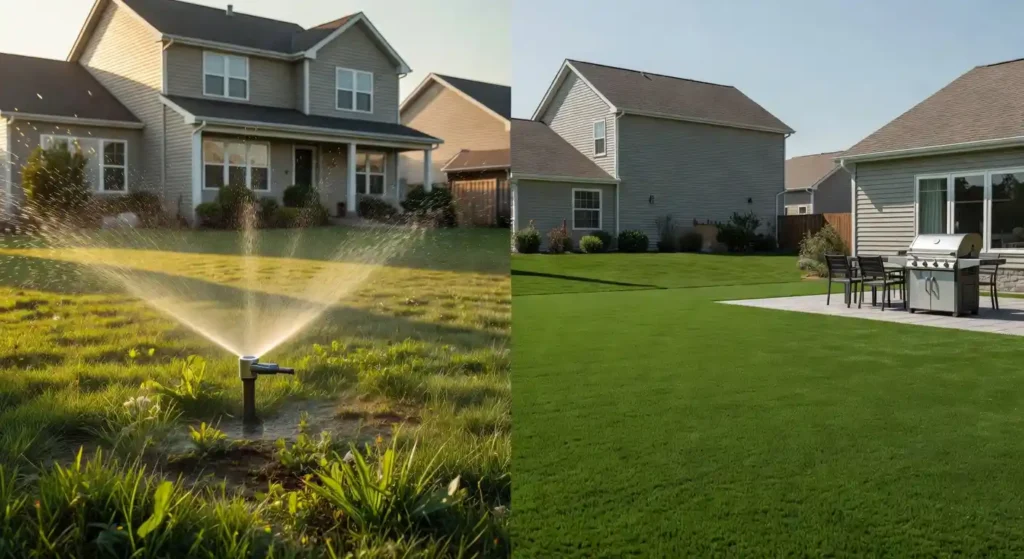
A healthy lawn can change the look of your entire property. But when homeowners compare artificial turf vs real grass, the decision usually comes down to four things: cost, maintenance, appearance, and long-term value. Some people want a green yard without mowing every weekend. Others want the feel and cooling effect of natural grass under their feet.
The truth is simple. There is no perfect lawn for every home. Artificial grass works well for busy households, pet areas, and drought-prone regions. Real grass still offers cooling, biodiversity, and the natural look many homeowners prefer. The best choice depends on your climate, budget, lifestyle, and how you use your outdoor space.
Table of Contents
Toggle
Key Takeaways
- Artificial turf costs $8–$20 per sq ft installed. Real grass sod costs $1–$2 per sq ft.
- Real grass cools your yard naturally. Artificial turf can reach 150°F+ on hot days.
- Natural grass lasts indefinitely with care. Synthetic turf lasts 8–15 years before replacement.
- Real grass supports pollinators and soil health. Synthetic turf does not.
- For pets, kids, and high-traffic areas, artificial grass handles wear better.
- Water bills drop significantly with synthetic turf up to 55 gallons per sq ft annually.
What's the Difference Between Natural Grass and Artificial Turf?
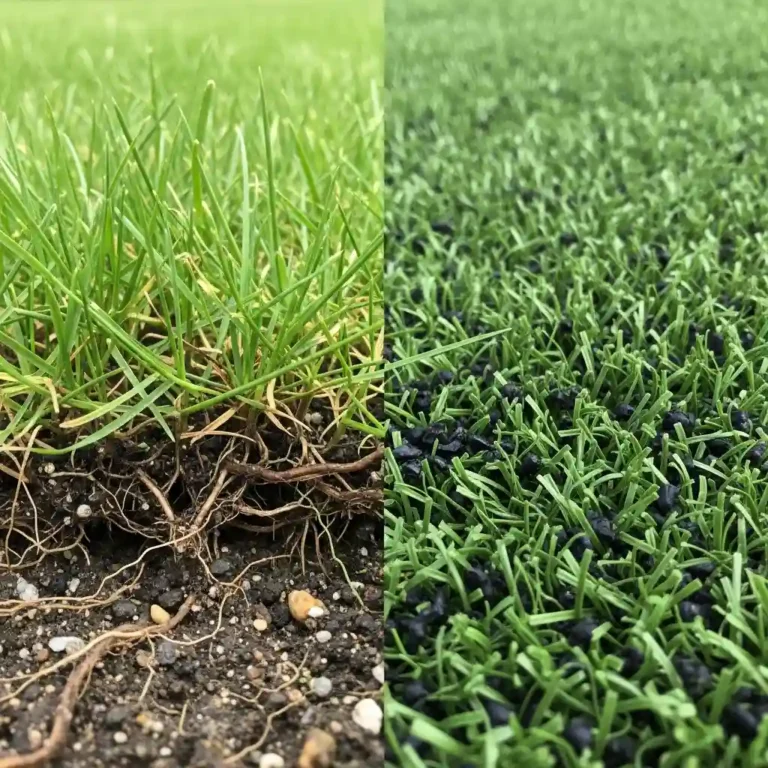
Natural grass is a living system. It grows from soil, absorbs water, pulls carbon from the air, and supports insects and birds. Artificial turf is a manufactured surface made from polyethylene or polypropylene fibers, laid over a perforated backing with infill material usually silica sand or crumb rubber to give it shape and softness.
Here’s a simple side-by-side:
Material
- Real grass: Live grass, soil, and roots.
- Artificial turf: Plastic fibers, infill (sand or rubber), perforated backing.
Installation Time
- Real grass (sod): Ready in 2–3 weeks for foot traffic.
- Artificial turf: Ready within 1–2 days of installation.
Maintenance
- Real grass: Mowing, watering, fertilizing, aerating, overseeding.
- Artificial turf: Occasional brushing, rinsing, and debris removal.
Water Use
- Real grass: Up to 55 gallons per sq ft per year in dry climates.
- Artificial turf: Minimal only rinse water for cleaning or cooling.
Lifespan
- Real grass: Indefinite with proper care.
- Artificial turf: 8–15 years depending on foot traffic and quality.
Feel and Temperature
- Real grass: Cool, soft, and changes with seasons.
- Artificial turf: Consistently green but can get extremely hot in direct sun.
Pros and Cons of Artificial Turf and Real Grass
Artificial Turf: Where It Works Well
For busy homeowners, artificial turf is appealing for obvious reasons. No mowing. No watering schedule. No brown patches in August. Here’s where synthetic turf actually delivers:
- Low day-to-day work. Once installed, you brush it, rinse it, and remove debris. That’s mostly it.
- Consistent appearance. It stays green through drought, heavy rains, and shaded corners where real grass struggles.
- High-traffic durability. Dog runs, play areas, and sports fields take a beating. Synthetic turf handles it without wearing thin.
- Water conservation. Households in drought-prone regions cut lawn water use significantly sometimes by thousands of gallons per season.
Artificial Turf: Where It Falls Short
- Heat retention is a serious issue. On a hot summer day, artificial turf surface temperatures can exceed 150°F to 170°F roughly 86°F hotter than natural grass nearby. This is risky for pets’ paws and kids playing barefoot.
- High initial cost. Professional turf installation typically runs $8–$20 per sq ft depending on your location, base preparation, and turf quality. A 500 sq ft area can cost $4,000–$10,000 installed.
- It doesn’t last forever. Synthetic fibers flatten over time. Most turf needs full replacement after 8–15 years. Disposal is a challenge; it’s non-biodegradable plastic that goes to landfill.
- Microplastics and PFAS concerns. Some crumb rubber infill materials have raised health questions. Research is ongoing, but it’s worth noting especially for homes with young children.
- No ecosystem value. Artificial turf supports zero biodiversity. No pollinators, no soil microbes, no carbon sink benefit.
Real Grass: Where It Excels
- Natural cooling through evapotranspiration. Live turf releases moisture into the air, cooling your yard by several degrees. This matters a lot in summer, especially in warm climates.
- Air quality benefits. Natural grass captures dust particles, absorbs carbon dioxide, and produces oxygen. Soil microbes also break down pollutants over time.
- Supports local ecosystems. Real lawn provides habitat for pollinators, beneficial insects, and birds. Healthy soil promotes groundwater recharge and prevents erosion.
- Feels better underfoot. Soft, cool grass is naturally pleasant for kids, pets, and bare feet on a warm afternoon.
- Better for resale perception. In many neighborhoods, a lush natural lawn still signals care and quality to buyers.
Real Grass: Where It Demands More
- Ongoing maintenance costs add up. Water bills, fertilizer, lawn mower fuel or electricity, pest control, and occasional overseeding or sod repair are recurring expenses. Homeowners spend $500–$1,500 per year on average maintaining a mid-size natural lawn.
- Weather vulnerability. Extended drought, heavy foot traffic, or disease outbreaks can thin grass fast. Recovery takes time and money.
- Not always practical. In shaded areas, slopes, or high-traffic zones, keeping real grass healthy is genuinely difficult.
- Allergy concerns. Grass pollen affects sensitive family members during peak seasons, which is worth factoring in.
Real Cost Comparison: 10-Year Total
Here’s what most articles skip. Let’s look at a typical 1,000 sq ft lawn over 10 years.
- Natural Grass Sod installation: $1,000–$2,000 Annual maintenance (water, mowing, fertilizer, repairs): $600–$1,500/year 10-year total: $7,000–$17,000
- Artificial Turf Installation: $8,000–$20,000 Annual maintenance (minimal): $100–$200/year Replacement at year 10–15: $8,000–$20,000 10-year total: $9,000–$22,000
The numbers are closer than most people expect. Artificial turf isn’t always cheaper long-term once you factor in replacement costs. Real grass can be more affordable if you’re hands-on and water-efficient.
Pet and Kid Safety: What Parents and Dog Owners Need to Know
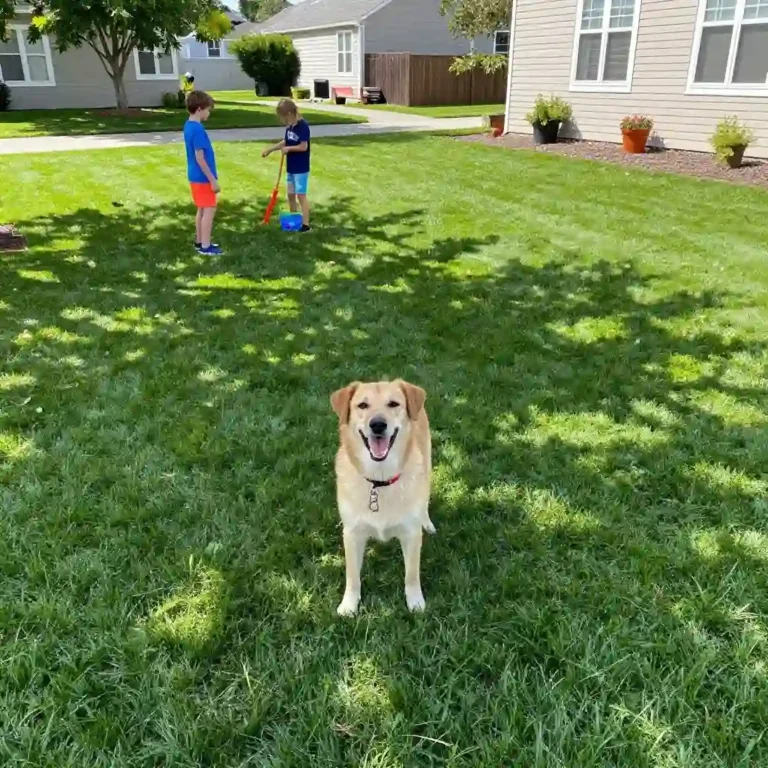
This section matters more than most articles admit.
For dogs:
Natural grass stays cooler and feels more natural underfoot. Many dogs prefer it. However, real lawns attract fleas, ticks, and parasites which adds ongoing pest control costs.
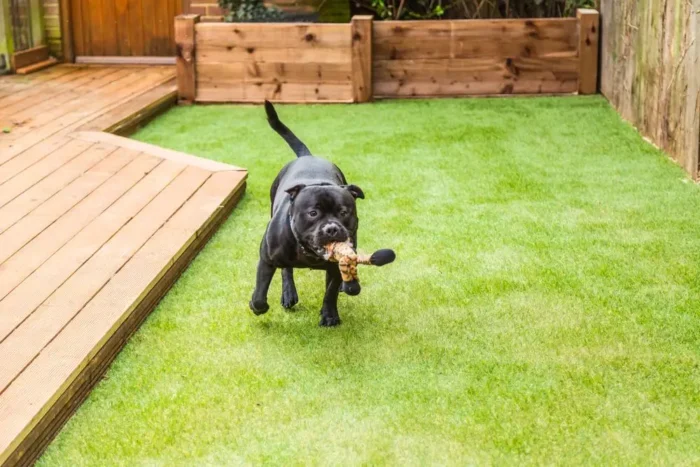
Artificial turf handles waste easily, resists digging, and stays mud-free. But on hot days, synthetic surfaces can burn paw pads. If you choose artificial turf for pets, install it in a shaded area or plan to rinse it with water before letting pets out on hot days.
For kids:
Real grass cushions fall and stay cool. Artificial turf is durable and mud-free but gets dangerously hot in direct sun, a real burn risk for bare skin or hands on summer afternoons.
The safest approach for both kids and pets in hot climates: real grass in sun-exposed play areas, or high-quality synthetic turf with shade structures and a plan to cool the surface during peak heat.
Environmental Impact
Both sides have genuine talking points. Here’s what’s actually true.
Real grass environmental benefits:
- Acts as a carbon sink absorbs CO₂ and releases oxygen
- Supports pollinators and soil health
- Cools surrounding areas through evapotranspiration
- Prevents soil erosion and aids groundwater recharge
Real grass environmental costs:
- High water consumption, especially during dry seasons
- Gas-powered mowers release more emissions than most people realize
- Pesticides and fertilizer runoff can contaminate nearby water sources
Artificial turf environmental benefits:
- Saves thousands of gallons of water per season
- Eliminates emissions from mowing
- No need for chemical pesticides or fertilizers
Artificial turf environmental costs:
- Made from non-biodegradable plastic
- Ends up in landfills after 8–15 years
- Contributes to urban heat island effect
- Potential microplastic runoff into soil and waterways
If water conservation is your top concern, synthetic turf has a clear edge. If long-term ecosystem health matters more, natural grass wins especially when maintained without heavy chemical use.
Which One Should You Choose for Your Lawn?
There’s no single right answer. It depends on your situation. Use this as your guide:
Choose artificial turf if:
- You live in a drought-prone area and want to cut water use
- You have dogs or kids who use the lawn heavily
- You travel often or simply don’t want to maintain a lawn
- Your yard has shaded spots where real grass won’t grow
- You want a consistently green, low-effort yard year-round
Choose real grass if:
- Cooling your outdoor space matters especially in hot climates
- You care about supporting pollinators, birds, and local ecosystems
- You have children or pets who play outside often and heat safety is a concern
- You enjoy gardening and lawn care
- You want a natural feel and long-term flexibility
If you’re in San Jose: Climate, water restrictions, and soil conditions all affect this decision in ways that vary block by block. Getting a professional assessment matters. Lakota Design Group offers turf installation services in San Jose and evaluates your specific yard sun exposure, drainage, soil type, and usage patterns before recommending a solution. Whether you go natural or synthetic, getting it right the first time saves money and headaches. Contact Lakota Design Group today for a free consultation.
Final Thoughts
Both artificial turf and real grass are legitimate options. Neither is perfect. What matters is matching the right surface to your actual life, your climate, your yard use, your budget, and what you value most.
If you want zero lawn maintenance and live somewhere dry and hot, synthetic turf makes sense. If you want a cooler, natural space that supports your local environment, real grass is the better long-term choice.
Don’t let marketing from either side rush your decision. Look at your real numbers, think about how you actually use your yard, and choose accordingly.
FAQs About Artificial Turf vs Real Grass
Is artificial turf cheaper than real grass?
In the short term, yes installation aside. Over 10 years, costs are often similar. Artificial turf has a high initial cost ($8–$20/sq ft), while real grass has lower upfront costs but higher ongoing maintenance expenses.
How hot does artificial turf get?
On a hot sunny day, synthetic turf can reach 150°F–170°F. That’s roughly 86°F hotter than nearby natural grass. It’s a real concern for pets and children.
Does artificial turf look real?
High-quality synthetic turf looks quite natural. Budget options look plastic and flat. If aesthetics matter, invest in a higher-grade product with varied blade lengths and natural color tones.
How long does artificial turf last?
Most synthetic turf lasts 8–15 years with regular maintenance. After that, fibers flatten, infill compacts, and performance drops. Full replacement is needed.
Is real grass better for the environment?
Generally yes it supports biodiversity, cools the air, and acts as a carbon sink. But it uses significant amounts of water and requires chemicals to maintain. Artificial turf conserves water but creates plastic waste.
Which is better for dogs?
Depends on your climate. Real grass stays cooler and feels natural. Artificial turf is more durable and mud-free but gets hot. For dogs in warm climates, natural grass in shaded play areas is often safer.
Does artificial grass need maintenance?
Yes, but much less than real grass. You’ll need to brush it every few weeks, rinse it periodically, remove debris, and top up infill over time. Pet areas need more frequent cleaning to prevent odor buildup.