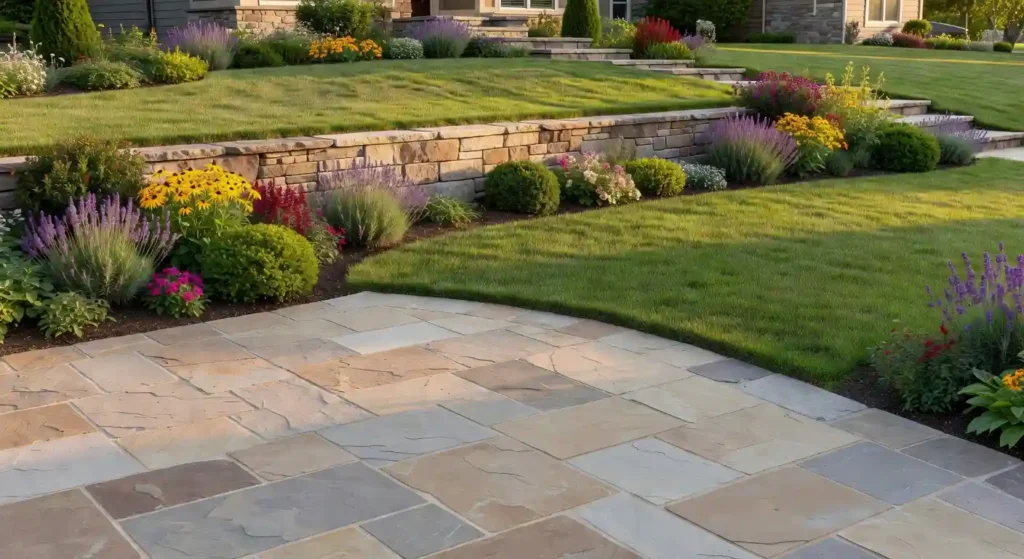
You’re not the only one who has been looking up “what is landscape construction” and getting confused by all the technical terms. Before spending thousands of dollars, most homeowners just want a clear answer. Here it is: landscape construction is the process of building and installing outdoor features, both structural and living, to make your property more functional, beautiful, and valuable. It covers everything from laying a patio to planting trees to installing a drainage system.
Table of Contents
ToggleThis guide breaks down what the process involves, what it realistically costs, what mistakes to avoid, and when you need a professional.
Key Takeaways
- Landscape construction covers hard structures (patios, walls, walkways) and living elements (plants, trees, grass)
- A typical residential project ranges from $5,000 to $60,000+ depending on scope
- Poor planning and skipped site grading are the #1 reasons projects go over budget
- You need a licensed contractor for drainage, retaining walls, and permit-required work
- Sustainable choices like native plants and smart irrigation lower your long-term costs significantly
Understanding Landscape Construction
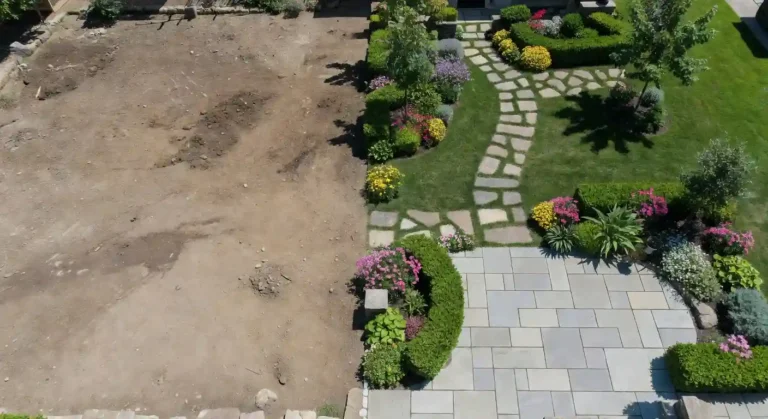
Landscape construction is the planning, design, and physical building of outdoor spaces. It’s different from regular lawn maintenance. When someone says “landscaping,” they usually mean mowing, trimming, and upkeep. The construction of landscape features means you’re actually building something new or making significant changes to your property.
Think of it this way: if a crew is using excavators, pouring concrete, installing drainage systems, or planting large trees, that’s landscape construction. If they’re just mowing weekly, that’s maintenance.
The two core categories are hardscape elements and softscaping.
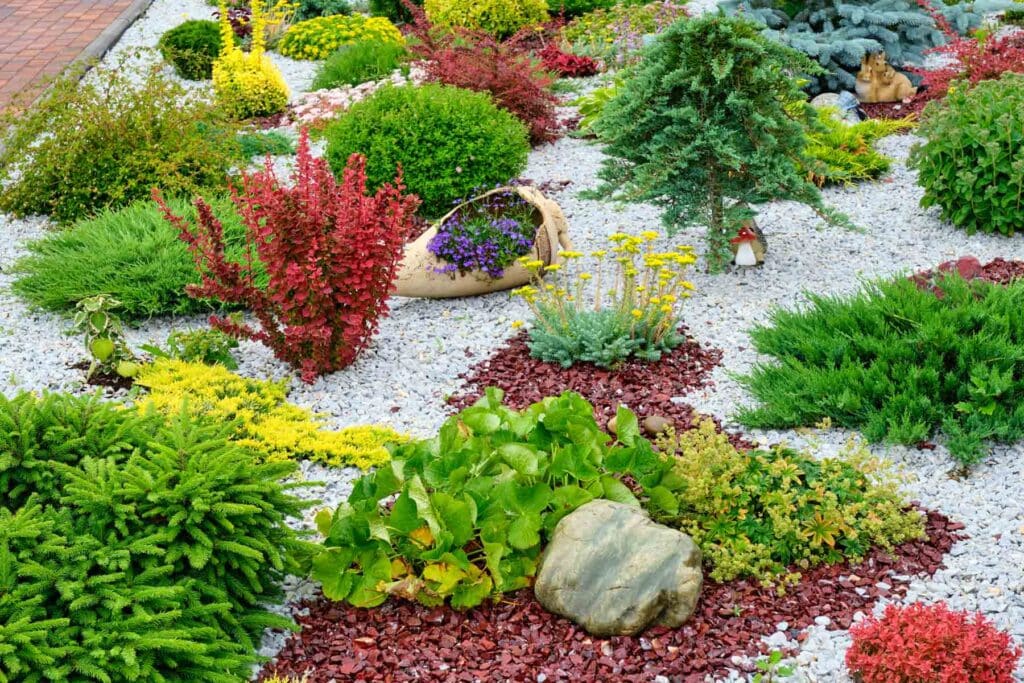
Hardscape elements are all the non-living structures: patios, driveways, retaining walls, walkways, fences, pergolas, and water features. They give your outdoor space its shape and structure. Materials typically include concrete, natural stone, brick, and wood.
Living elements (softscaping) are everything that grows: trees, shrubs, flowers, sod, ground cover, and garden beds. They add color, shade, privacy, and seasonal interest. Both categories work together. A well-built patio surrounded by the wrong plants, or a beautiful garden with no drainage system, will create expensive problems down the road.
You may also want to read this: What is Landscaping?
Is Landscaping Considered Construction?
This is one of the most common questions homeowners ask, and the answer depends on the scope.
Basic lawn care (mowing, fertilizing, pruning) is not construction. But once your project involves grading land, installing drainage systems, building retaining walls, or adding structures like pergolas or patios, it legally qualifies as construction in most states. That means permits may be required, and licensed contractors must handle the work.
A quick rule of thumb: if the project changes how water moves across your property or adds a permanent structure, it’s construction, not maintenance.
The Landscape Construction Process: Step by Step Instructions
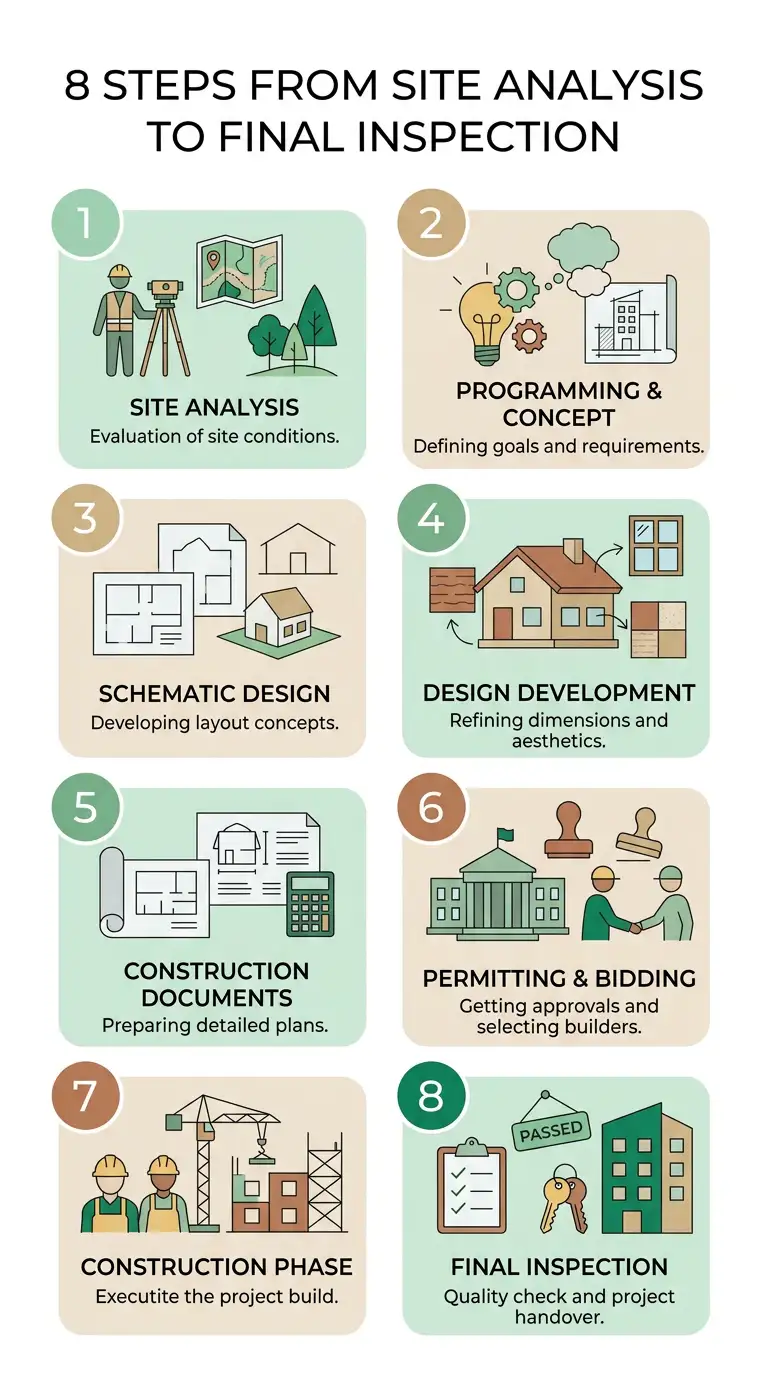
Understanding the process helps you identify a good contractor from a bad one.
Site Analysis and Soil Testing
A reputable landscape contractor starts by assessing your soil type, pH levels, drainage patterns, sun exposure, and existing structures. Soil testing is not optional. It determines which plants will actually survive in your yard and what amendments the soil needs before planting. Skip this and you’ll be replacing plants within two years.
Site Grading
Grading means reshaping the land so water flows away from your home, not toward it. A slope of 3–5% away from your foundation is the standard recommendation. Poor grading causes water pooling, erosion, and foundation damage. This step happens before anything else is built.
Design Phase
Landscape designers create a detailed plan covering hardscape layout, plant placement, drainage, irrigation, and lighting. Good landscape architects think about how the space will function five years from now, not just on day one.
Permits and HOA Approvals
Retaining walls over a certain height, drainage changes, and most structures require building permits. If you live in an HOA community, you’ll also need design approval before breaking ground. HOAs commonly require detailed plans showing plant species, hardscape materials, and drainage details. Projects that skip permits create legal problems when you sell your home.
Hardscape Construction
Patios, walkways, retaining walls, and outdoor structures go in first. This phase requires precise measurements and skilled craftsmanship to stay within local building codes.
Systems Integration
Irrigation systems, drainage solutions, and outdoor lighting are installed during this phase, not added later as afterthoughts. These systems must work together. A smart irrigation system paired with proper drainage protects your soil health and reduces water waste.
Softscape Installation
Trees, shrubs, and flowers go in after soil preparation. Plant selection must match your USDA Plant Hardiness Zone, which determines which species will survive your region’s winter temperatures. Planting outside your zone is one of the most expensive mistakes homeowners make.
Final Inspection
Test irrigation coverage, check lighting function, confirm drainage flow, and verify soil depth. Walk the site with your contractor and get all warranties in writing.
Residential vs. Commercial Landscape Construction
Residential landscape construction focuses on creating beautiful and functional outdoor spaces for individual homeowners. Projects are typically smaller, with shorter timelines and simpler permit requirements.
Commercial landscape construction involves larger properties like office parks, retail spaces, hotels, and apartment communities. These projects require more complex design strategies, stricter compliance with zoning laws, accessibility standards, and stormwater management regulations. Commercial properties also deal with heavier foot traffic, meaning materials need to stand the test of time under greater wear.
For homeowners, the key difference is this: your contractor doesn’t need commercial-level experience, but they do need to understand local residential codes, HOA rules, and residential drainage requirements.
How Much Does Landscape Construction Cost?
This is what most homeowners actually want to know. Here are realistic ranges:
Project Type | Typical Cost Range |
Basic concrete patio | $2,500 – $7,000 |
Natural stone patio | $8,000 – $20,000 |
Retaining wall | $4,000 – $15,000 |
Full yard renovation | $15,000 – $60,000+ |
Irrigation system | $2,500 – $6,000 |
Drainage correction | $1,500 – $10,000 |
Planting/softscape package | $3,000 – $15,000 |
Outdoor lighting | $2,000 – $8,000 |
What drives costs up: poor existing drainage, sloped terrain requiring extensive grading, permit fees, specialty materials, and outdated irrigation systems needing full replacement.
What keeps costs down: native plants (cheaper long-term), phasing the project over two seasons, getting three itemized quotes, and being specific about your priorities before the design phase starts.
How to Read a Landscape Construction Quote
A solid quote should always be itemized. It should list materials separately from labor, specify the exact products being used (stone type, plant species, irrigation brand), and include a payment schedule tied to project milestones, not arbitrary dates.
Watch for these red flags in a quote:
- Lump sum with no breakdown
- “Allowances” listed instead of actual material specs
- Full payment required upfront
- No mention of permits or whether they’re included
If two quotes are far apart in price, ask each contractor to walk you through their line items. The gap is almost always explained by material quality, crew certification, or one contractor skipping a step entirely (often drainage or soil prep).
Landscape Construction and Sustainability
Sustainable choices in landscape construction aren’t just good for the environment. They protect your budget long-term.
- Native plants thrive in your local climate without heavy fertilizer or pest control. Over five years, the savings compared to exotic species are significant.
- Permeable pavers allow water to drain through instead of running off, protecting your soil and reducing erosion.
- Smart irrigation systems use sensors to water only when plants need it. Properties without smart irrigation can pay up to 30% more in annual water costs.
- Xeriscaping uses drought-resistant plants and design principles that reduce or eliminate irrigation needs after the first growing season.
- Recycled and local materials like reclaimed wood, salvaged stone, and recycled concrete reduce costs and give your outdoor space a distinctive aesthetic appeal.
What to Expect After Construction Is Done
Most homeowners don’t think about this until it’s too late.
In the first 30 days, new plants need consistent watering while roots establish. Your irrigation system should be checked weekly. Some settling of hard-scape edges is normal. Report anything significant to your contractor immediately while warranties are active.
In the first year, soil compaction around new plantings may require light aeration. Mulch depth should be maintained at 2–3 inches to protect moisture. Trees and shrubs may look sparse, that’s normal. Most reach full growth in two to three seasons.
Ask your contractor specifically: what is covered in the plant warranty, how long does the hardscape warranty last, and what voids either warranty. Get it in writing before the crew leaves.
Why Lakota Design Group for Landscape Construction Services in San Jose
If you’re looking for landscape construction services in San Jose, Lakota Design Group brings the experience, licensed team, and process that most homeowners wish they’d found first.
The team at Lakota handles everything from site analysis and soil testing to the final walkthrough, with full transparency on costs, timelines, and permits. Every project uses certified professionals not subcontractors and the design process starts with your goals, your soil, and your climate zone, not a cookie-cutter plan.
Whether you’re starting from scratch or fixing an outdoor space that’s never quite worked, Lakota Design Group builds landscapes that stand the test of time.
Ready to get started? Contact Lakota Design Group today for a consultation and see what’s possible for your property.
Frequently Asked Questions
What is landscape construction in simple terms?
It’s the process of building or installing outdoor features on a property, including patios, walls, plants, drainage systems, and lighting. It’s different from regular lawn maintenance.
Is landscaping considered construction?
Basic lawn care is not. But grading, drainage work, retaining walls, and permanent structures legally qualify as construction in most states and typically require permits and licensed contractors.
What is the difference between landscape design and construction?
Design is the planning phase where your outdoor space is mapped out. Construction is the physical building phase. Landscape designers create the plan; landscape contractors execute it. Some companies offer both.
What is hardscaping vs. softscaping?
Hardscaping covers all non-living structures: patios, walls, walkways, and fences. Softscaping covers living elements: plants, trees, shrubs, and grass. A good landscape construction project balances both.
How long does a landscape construction project take?
Small projects like a patio or garden bed take one to two weeks. Full yard renovations can take six to twelve weeks depending on weather, permits, and project complexity.
How do I budget for a landscape construction project?
Start with your must-haves and get three itemized quotes. A good contractor will help you phase the work if the budget is tight. Expect to spend at minimum $5,000 for anything beyond simple planting.
Do I need a permit for landscape construction?
Often yes. Retaining walls above a certain height, drainage changes, and outdoor structures require permits in most cities. Your contractor should handle the permit process and know your local regulations.
What is site grading in landscape construction?
Grading is reshaping the land so water drains away from your home properly. It’s one of the most important steps in any landscape construction project and must be done before hardscaping or planting work begins.