

What is Landscaping? A Guide to Outdoor Design
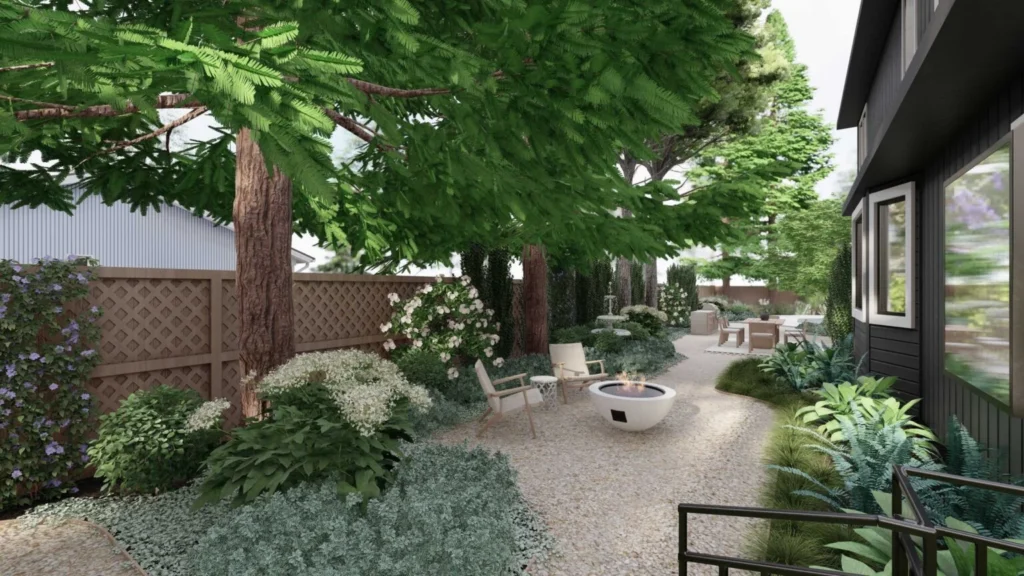
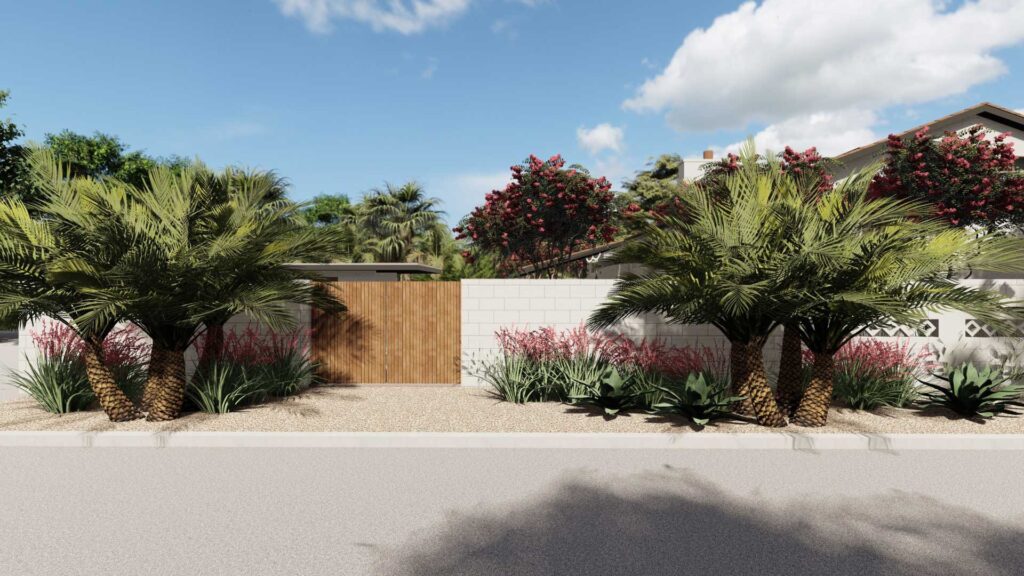
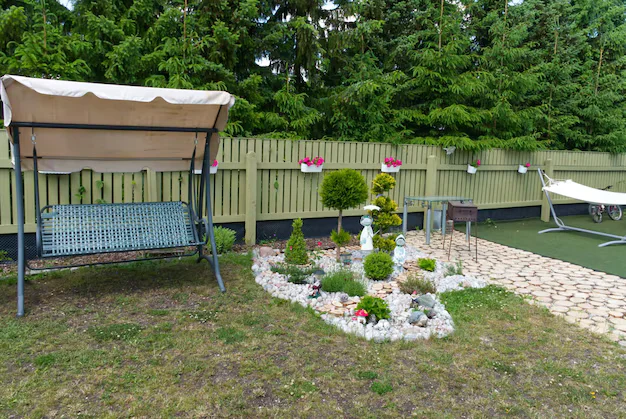
What is landscaping? The practice of creating, altering, and maintaining outdoor areas to make them more aesthetically pleasing, useful, and ecologically friendly is known as landscaping. To define landscaping, it includes planting trees, shrubs, flowers, adding decorative elements, and shaping the land. It enhances the appearance and usability of both residential and commercial properties. In homes, landscaping boosts curb appeal and provides a relaxing space. In business settings, it creates a welcoming environment and can improve property value. This article will explore whats landscaping, its types, benefits, and key tips for creating beautiful outdoor areas.Understanding What is Landscaping? Landscaping is the art and science of modifying the visible features of an outdoor area—such as a yard, garden, or commercial property—to make it more attractive, functional, and sustainable. It involves designing, planning, and implementing both natural and man-made elements into an outdoor space.Definition of LandscapingThe definition of landscaping is the process of arranging and modifying land areas to enhance their aesthetic appeal and usability. This includes the integration of plants, terrain shaping, water features, lighting, fences, pathways, and other elements.Hardscaping vs. SoftscapingLandscaping typically involves two key components: Hardscaping: This includes built features including patios, sidewalks, retaining walls, decks, roads, and other non-living landscape components. These are typically made of stone, concrete, wood, or metal and serve structural or decorative purposes. Softscaping: This includes the living, organic elements like grass, flowers, shrubs, trees, and soil. Softscaping adds color, texture, and life to the landscape and changes more frequently with seasons and growth. Both hardscaping and softscaping work together to create a balanced and visually appealing outdoor environment.Landscaping vs. GardeningWhile landscaping and gardening are closely related, they are not the same: Landscaping is broader and involves both design and construction elements. It includes hardscaping, softscaping, drainage systems, and often requires professional planning. Gardening is more focused on the cultivation and care of plants, such as planting flowers, vegetables, or maintaining lawns and flower beds. It is often considered a subset of landscaping. Historical ContextLandscaping has roots going back thousands of years. Ancient civilizations like the Egyptians, Persians, and Chinese developed intricate gardens and structured outdoor spaces, reflecting cultural, religious, and aesthetic values. The concept evolved through Renaissance Europe and continues today with a blend of ecological awareness and artistic design.You can also read about landscape installation in Bay area.Benefits of Landscaping Understanding whats landscaping is goes beyond just making your yard look nice. The definition of landscaping involves designing and modifying outdoor spaces to enhance their appearance, functionality, and environmental impact. A well-designed landscape offers a wide range of benefits that extend to the environment, property value, health, and everyday comfort.Environmental Benefits Erosion Control: Proper landscaping stabilizes the soil, especially on slopes or uneven terrain, preventing runoff and soil loss. Improved Air Quality: Plants absorb carbon dioxide and release oxygen. Trees and shrubs also filter pollutants from the air. Biodiversity Support: Native plants and diverse landscaping attract pollinators like bees and butterflies, as well as birds and small wildlife, supporting a healthy ecosystem. Aesthetic & Property Value Boosts Curb Appeal: A thoughtfully landscaped yard creates a welcoming first impression, making homes more visually appealing. Increases Home Value: Studies show that attractive landscaping can increase property value by up to 15%. Buyers are often willing to pay more for a home with a professionally designed outdoor space. Health & Well-being Mental Relaxation: Being in a well-landscaped environment reduces stress, anxiety, and promotes a sense of calm. Encourages Outdoor Activity: Landscaped yards make outdoor spaces more enjoyable, motivating people to spend more time outside for exercise, play, or socializing. Functional Benefits Noise Reduction: Trees, shrubs, and fences can act as natural sound barriers, reducing street and neighborhood noise. Shade & Energy Efficiency: Strategically placed trees and structures can provide shade, lowering indoor temperatures and reducing energy costs. Privacy: Landscaping elements like hedges, trellises, or fences can offer privacy without the need for solid walls. you can read about What Happens to Your Lawn During Cold Weather? Types of Landscaping To understand the different types, it’s good to first know what’s landscaping. The definition of landscaping is changing and shaping outdoor spaces by adding things like plants, trees, walkways, and other features. There are many types of landscaping, each with its own purpose and style.Residential LandscapingThis is landscaping done around homes. It includes front yards, backyards, gardens, and spaces for relaxing or playing. Homeowners usually choose designs that are easy to take care of and look nice year-round.Commercial LandscapingThis type is for businesses, office buildings, hotels, or shopping centers. Keeping the area tidy and hospitable for guests and clients is the aim.Hardscape ElementsThese are the non-living parts of landscaping. They include: Patios – Outdoor areas for sitting or eating Walkways – Paths made from stone, brick, or concrete Retaining Walls – Walls that hold soil in place, often used in sloped areas Softscape ElementsThese are the living parts of landscaping, like: Plants – Flowers, shrubs, and bushes Trees – For shade, beauty, or privacy Grass – Covers open ground and gives a fresh, green look Xeriscaping (Drought-Resistant Landscaping)Water-efficient plants are used in this kind of landscaping. It’s great for dry areas and helps save water. Cactus, succulents, rocks, and gravel are common in xeriscaping.Sustainable LandscapingThis focuses on using natural resources wisely. It includes collecting rainwater, using native plants, reducing waste, and planting trees to cool the area and reduce energy use.Theme-Based LandscapingThis type follows a certain style or look. Some examples are: Zen Gardens – Simple, peaceful spaces with rocks, sand, and a few plants Tropical – Lush plants, palm trees, and bright flowers Modern Minimalist – Clean lines, simple designs, and fewer plants Ideas & Options for Landscaping If you’re wondering what is a landscaping, it’s all about designing outdoor spaces in a way that makes them more useful and pleasant to look at. Whether you’re working on your front yard or backyard, there are plenty of creative and practical options to choose from—no matter your budget, time, or style.Front Yard vs. Backyard Ideas Front