
Author name: admin

Can You Wear Cleats on Turf? Find Out Which Ones Work
Uncategorized

Can You Wear Cleats On Turf

Can you wear cleats on turf? This is a common question among athletes and sports enthusiasts as artificial turf becomes increasingly popular in sports facilities around the world. Because of its resilience to different weather conditions, low care requirements, and durability, artificial turf, also known as synthetic grass, is frequently utilized. However, playing on this surface requires careful consideration when it comes to footwear. Choosing the right shoes is essential not only for performance but also to prevent injury. Wearing the wrong type of cleats on turf can affect traction, comfort, and even lead to damage of the surface or harm to the player. That’s why it’s important to understand the differences between cleats designed for natural grass and those meant specifically for cleats artificial grass. This guide will explore whether using cleats on turf is advisable, and what type of footwear is best suited for artificial playing surfaces.Assessing Footwear Compatibility With Artificial Turf When playing sports on different surfaces, the type of footwear you choose can significantly impact your performance, traction, and injury risk. This is especially true when comparing artificial turf to natural grass. Understanding the distinctions between these surfaces helps answer a common question among athletes: should you wear cleats on turf?Differences Between Artificial Turf and Natural GrassNatural grass is softer, more forgiving, and can vary depending on weather and maintenance. Grass fields may become muddy, uneven, or worn down, especially in high-traffic areas.In contrast, artificial turf provides a more uniform and durable playing surface. However, it is firmer than natural grass and lacks the natural give, which can affect how athletes move and how their footwear interacts with the surface.How Turf Impacts Traction, Performance, and SafetyOn turf fields, traction becomes a key concern. While cleats provide grip, excessive traction on turf can actually increase the risk of joint injuries, particularly in the knees and ankles. This is because the turf doesn’t allow cleats to release as easily during sharp turns or sudden stops, increasing torque on the lower body.Additionally, turf can run hotter than grass, affecting both comfort and the breakdown of certain shoe materials over time. It also has less shock absorption, potentially contributing to more impact-related injuries.Why Certain Shoes Work Better Than Others on TurfThis brings us to the question: should you wear cleats on turf? The answer depends on the type of cleat: Molded cleats: These can be worn on turf but may cause discomfort or excessive grip if the studs are too long. Turf shoes: Designed specifically for artificial turf, these have shorter, rubberized studs that provide better traction without the injury risk associated with traditional cleats. Detachable cleats: Not recommended for turf due to their longer spikes and harder materials, which can catch in the turf and increase injury risk. When choosing cleats on turf fields, athletes should consider turf-specific models or turf shoes. These are designed to strike a balance between grip and release, reducing the risk of injury while maintaining optimal performance.You should read about Artificial Turf installation in the Bay Area.Can You Wear Cleats on Turf? Yes, but it depends on the type of cleats and the specific turf field surface. Not all cleats are created equal, and using the wrong kind can affect both safety and performance.When Cleats Are Acceptable on TurfYou can wear cleats on turf fields, especially if they’re designed for artificial surfaces. There are two common types: Turf cleats (or turf shoes): Specifically made for artificial grass, these have small rubber studs that provide grip without digging too deeply into the turf. Molded cleats: These can sometimes be used on turf, especially if the studs are shorter and the field permits them. Risks of Wearing Regular Cleats on Artificial TurfUsing traditional or long-stud cleats—like those designed for natural grass—on artificial grass fields can lead to several issues: Increased risk of injury: Standard cleats can grip too tightly on turf, increasing torque on the knees and ankles, which may lead to sprains or ACL injuries. Turf damage: Some facilities prohibit long or metal cleats because they can tear into the synthetic surface and shorten the field’s lifespan. Reduced comfort and performance: Harder turf fields paired with stiff or inappropriate cleats can cause discomfort and reduce your agility or speed. So while you can wear cleats on a turf field, make sure they’re compatible with artificial grass to protect both yourself and the playing surface.You can also read about How To Clean Turf Grass.Turf Shoes Vs. Traditional Cleats Choosing between turf shoes and traditional cleats comes down to understanding how each performs on artificial turf. Both have distinct advantages, but they’re designed for different conditions.Key Differences in Design, Sole Patterns, and Studs Feature Turf Shoes Traditional Cleats Sole Material Rubber sole Plastic, rubber, or metal Stud/Pattern Design Dozens of small rubber nubs or patterns Fewer, longer studs (molded or detachable) Surface Type Best for artificial turf and hard surfaces Designed for natural grass or soft ground Flexibility More flexible and sneaker-like Often stiffer for added grip on grass Pros and Cons for Turf PlayTurf ShoesPros: Excellent traction on artificial turf Lower injury risk (less foot/ankle torque) Lightweight and comfortable Ideal for training and indoor turf facilities Cons: Not enough grip for soft or muddy natural fields Less ankle support in aggressive cutting movements Traditional CleatsPros: Superior grip on natural grass Better for wet or uneven terrain More ankle support in some models Cons: Can cause too much traction on turf (increased injury risk) May be banned on some turf fields Less cushioning on hard surfaces When to Choose Turf Shoes Over CleatsChoose turf shoes when: You’re playing on artificial grass or a turf field You want more comfort and reduced injury risk The facility restricts traditional cleats You’re in a training session or playing indoors Choose cleats when: You’re playing on natural grass The field is soft, wet, or muddy You need maximum traction and support What Kinds of Cleats are Best for Artificial Turf? If you’re wondering should you wear cleats on turf, the answer

How to Clean Turf from Dog Pee | 4 Simple Steps
Uncategorized

How To Clean Turf From Dog Pee

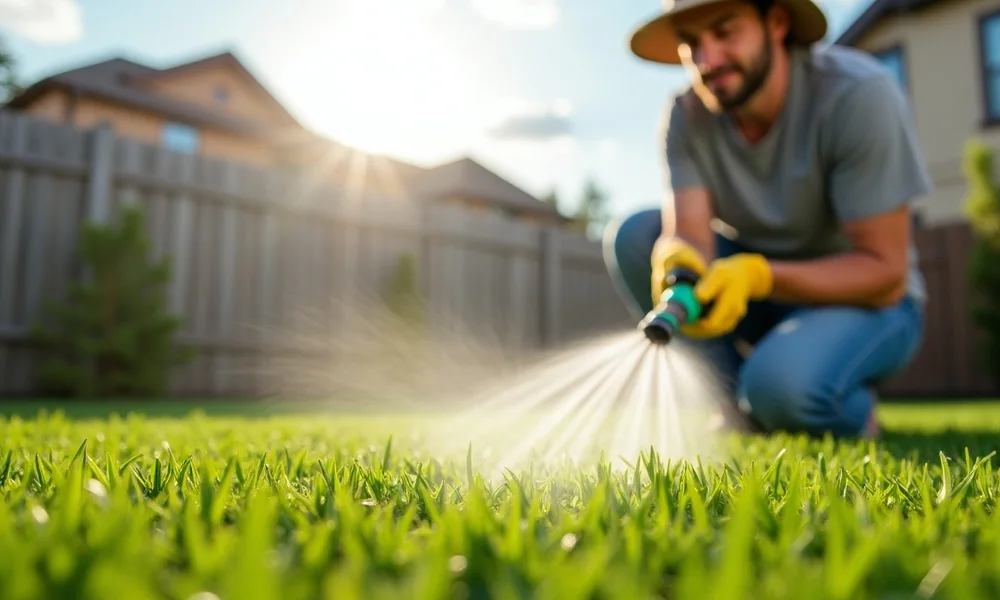
How to clean turf from dog pee is a common concern among pet owners who have installed artificial grass in their yards. Artificial turf has become a popular alternative to natural grass due to its durability, low maintenance, and year-round greenery. For pet owners, it’s especially appealing since it can withstand the wear and tear caused by active dogs. However, one issue that often arises is that the turf smells like dog pee over time. When dog pee on artificial grass isn’t cleaned properly, it can lead to unpleasant odors and hygiene concerns. Fortunately, there are simple solutions and effective cleaning methods to eliminate the smell and keep your turf fresh. In this guide, we’ll cover why artificial grass may retain odors, how to treat and prevent them, and the best practices for maintaining a clean, odor-free lawn that’s safe and enjoyable for both you and your pets.What Happens to Artificial Turf When Dogs Pee? Artificial grass is a popular low-maintenance alternative to natural lawns, especially for pet owners. But one common issue many people encounter is that turf smells like dog pee over time. Here’s why that happens and what to expect when there’s frequent dog pee on artificial grass.How Artificial Turf Reacts to Dog UrineUnlike natural grass, artificial turf doesn’t absorb liquids the same way. When a dog pees on artificial grass, the urine passes through the synthetic fibers and into the base layer beneath. While turf is designed to drain well, it doesn’t neutralize odors or break down waste like real soil and grass do. That means the urine can linger and lead to persistent smells unless it’s cleaned properly.Why Turf Retains Smell More Than Natural GrassNatural grass and soil contain microbes that help break down and neutralize urine. Artificial turf lacks this natural biological system. As a result, when there’s dog pee on artificial grass, the urine can build up in the infill layer (often made of sand or rubber pellets), causing the turf to smell like dog pee — especially in warm weather or if not rinsed regularly.Impact of Repeated Urination in the Same SpotsDogs often mark the same areas repeatedly, which can concentrate the urine in certain spots. Over time, this creates a buildup of ammonia and bacteria that intensifies the odor. The more frequently your dog urinates in the same location on artificial grass, the worse the smell can become, and it may even lead to turf discoloration or degradation of the backing material if not maintained.For Turf Installation In The Bay Area you can contact Lakota Design Group.What’s Causing My Artificial Turf to Smell Like Dog Urine? If your artificial turf smells like dog urine, you’re not alone — this is a common issue among pet owners. The odor isn’t just unpleasant; it can become persistent if not properly managed. Understanding the root causes is key to effective odor control and cleaning artificial grass for dogs.1. Bacteria and Ammonia BuildupWhen dogs pee on artificial grass, the urine seeps through the turf and collects in the infill or base layer underneath. Over time, this leads to a buildup of bacteria and ammonia — the primary sources of that strong, lingering dog pee smell. Since synthetic turf doesn’t have the natural microbial activity of real soil, the urine isn’t broken down efficiently. Without regular cleaning of artificial grass for dogs, these odors will worsen.2. Poor Drainage or Incorrect InstallationArtificial turf is designed to allow urine to drain through, but if it’s not installed properly — such as on a flat surface or without adequate sub-base material — urine can pool underneath. Trapped moisture combined with pet waste creates the perfect environment for bacteria to thrive, increasing the likelihood that your turf smells like dog pee. Proper drainage and a good base are essential to minimizing this issue.3. Weather Factors Exacerbating the OdorHot and humid weather can intensify the smell of dog urine on artificial grass. Heat accelerates the release of ammonia vapors, making the odor much more noticeable in warmer months. If you’re not cleaning artificial grass for dogs consistently during these times, the smell can become overwhelming.How to Clean Turf from Dog Pee in Easy Steps Keeping your artificial lawn clean and odor-free doesn’t have to be a chore. If you’re dealing with dog pee on artificial grass, following a consistent cleaning routine can make all the difference. Here’s a simple step-by-step process for cleaning artificial grass for dogs and eliminating those unpleasant smells.Step 1: Rinse ThoroughlyRinse the area with a garden hose as soon as your dog has urinated. This dilutes the urine and helps flush it through the turf into the drainage system. Regular rinsing—especially in your dog’s favorite spots—prevents urine from soaking into the infill where it can cause persistent odor. Rinsing once or twice a week can greatly lessen accumulation..Step 2: Apply a Pet-Friendly Enzyme CleanerSpray the area with a high-quality enzymatic cleaner — ideally the best turf cleaner for dog urine. These cleaners contain enzymes that break down the proteins and ammonia compounds in urine, eliminating the smell at its source instead of simply covering it up. Look for products that are non-toxic and safe for pets and children.Step 3: Scrub with a Brush (If Needed)Use a stiff-bristled brush to scrape the cleaner into the turf fibers and infill in areas that are significantly filthy or frequently visited. This lifts trapped residue and allows the enzymatic solution to penetrate deeper. Scrubbing is especially helpful if your turf hasn’t been cleaned in a while or if dog pee on artificial grass has created stubborn odor patches.Step 4: Let It Dry CompletelyAllow the area to dry completely before letting pets or people back on it. Proper drying helps prevent mold, bacteria growth, or the return of unpleasant smells. On sunny days, drying is faster, but good airflow is just as important. Avoid covering or walking on the turf until it’s fully dry.You can also read about  How Much Does Artificial Turf Cost?How Do I Stop My Artificial Grass from

How Much to Water New Turf | Expert Tips for a Healthy Lawn
Uncategorized

How Much To Water New Turf

How much to water new turf is one of the most common and important questions homeowners ask when establishing a healthy, vibrant lawn. Proper watering is critical to ensure the turf develops strong roots and adapts well to its new environment. Without the right amount of water, new turf can dry out, become patchy, or even fail to establish. Many people also wonder when to water new turf—timing plays a big role in helping the roots absorb moisture efficiently. Understanding the right techniques for watering new turf can make the difference between a thriving lawn and one that struggles to grow.How Much to Water New Turf The most important thing you can do to help your new grass grow and thrive is to water it. Knowing when to water new turf can make all the difference in ensuring healthy growth and preventing problems like new turf turning yellow.First 1–2 Weeks After Installation:Newly laid turf needs consistent moisture to establish strong roots. During this period, water daily, preferably once in the early morning and again in the late afternoon, especially if the weather is hot, dry, or windy.Apply about 1 inch of water per day, or enough to keep the soil consistently moist without puddling. Yellowing at this stage is often a sign that the turf is drying out, especially around the edges or on higher spots where water drains quickly.Adjust Based on Conditions: Weather: Hot, sunny days may require more frequent watering. On cooler or overcast days, reduce watering slightly. Soil Type: Sandy soils drain faster and may need more frequent watering; clay soils retain moisture longer. Turf Variety: Some grass types are thirstier than others, so check with your turf supplier for specific guidance. Tips to Avoid Yellowing: Check moisture levels with a moisture meter or by doing a simple soil touch test—the soil beneath the turf should feel damp 2–3 inches down. During the establishing stage, do not allow the turf to dry up entirely. Don’t water at night, as this can promote disease and fungus. If you notice new turf turning yellow, it may be a sign of inconsistent watering, poor soil contact, or even overwatering. Catching it early and adjusting your watering routine can help bring your lawn back to a healthy green.You can read about artificial turf installation in Bay area.Why Does My New Turf Need Daily Watering? Watering your new turf every day during the first few weeks is absolutely essential for successful establishment. At this early stage, the turf is vulnerable and relies heavily on consistent moisture to thrive. Skipping this crucial step is one of the main reasons for new turf turning yellow soon after installation.Here’s a closer look at why daily watering matters:1. Roots Have Not Yet EstablishedNew turf arrives with a shallow root system that hasn’t bonded with the underlying soil. Without daily watering, the roots can dry out quickly, especially during warm or windy weather. This lack of moisture leads to turf stress, resulting in wilting, discoloration, and new turf turning yellow. Until roots grow deeper and stronger, the turf cannot access moisture from lower soil layers.2. Supports Strong Root GrowthThe turf is firmly anchored by the roots that are encouraged to develop lower into the soil by regular watering. This is vital for long-term health, as deep roots improve drought tolerance and nutrient uptake. Watering daily during the first 1–2 weeks creates an ideal environment for root establishment and promotes lush, even growth.3. Prevents Shrinkage and Turf LiftNew turf can shrink or curl at the edges if it dries out, especially around seams or slopes. This not only creates gaps in your lawn but also allows air to get under the turf, causing it to lift or shift out of place. Daily watering keeps the turf moist and helps it settle evenly, preventing these common installation issues.4. Minimizes Stress and YellowingIf you notice new turf turning yellow, it’s often a warning sign that the turf is stressed — typically from insufficient water or uneven moisture distribution. Yellowing can start in patches or along the edges and quickly spread if the issue isn’t corrected. Regular watering helps keep the turf healthy, green, and resilient during this sensitive period.Pro Tip:To guarantee that the water soaks deeply into the soil and to reduce evaporation, water early in the morning or late in the afternoon. Use a moisture meter or the soil touch test to confirm the soil stays consistently damp (but not soggy) about 2–3 inches below the surface.Watering New Turf at Night | Is It a Good Idea? When it comes to caring for your new lawn, proper watering practices can mean the difference between vibrant green grass and new turf turning yellow. One common question homeowners ask is whether it’s okay to water new turf at night.Pros of Watering at Night: Less Evaporation: Evening temperatures are cooler, so less water is lost to evaporation. This means more water stays in the soil where it’s needed. Better Absorption: With less sun and wind, the water has more time to soak deeply into the soil, supporting early root development. Cons of Watering at Night: Higher Risk of Disease: When turf stays wet overnight, it creates the perfect conditions for fungal diseases and mold to develop. Prolonged surface moisture can suffocate roots and lead to patchy, unhealthy grass — sometimes resulting in new turf turning yellow or brown. Poor Oxygen Flow: Wet, soggy conditions overnight can reduce oxygen availability to new roots, slowing their development and increasing stress on the turf. The Best Alternative: Water Early in the MorningThe ideal time to water new turf is early in the morning, between 6–10 a.m. This timing gives the water a chance to soak into the soil before the sun gets too strong, while also allowing the turf blades to dry out during the day — reducing the risk of disease.If morning watering isn’t possible, late afternoon (around 4–6 p.m.) is the second-best option, but avoid watering too late in the evening.You can

How to Clean Turf Grass and Remove Odors
Uncategorized

How To Clean Turf Grass

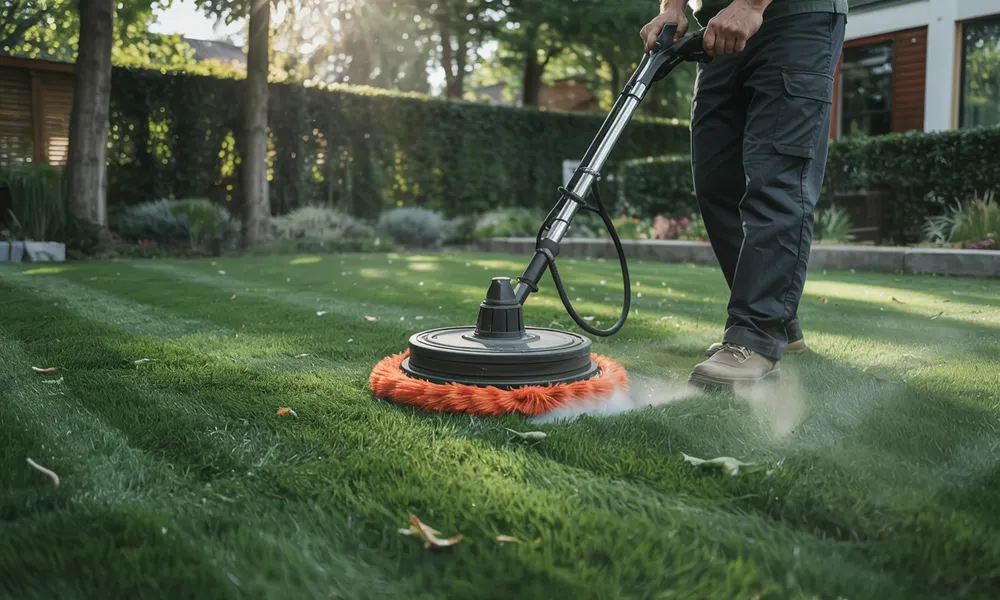
How to clean turf grass is a common question among homeowners and pet owners who have chosen artificial turf for its low maintenance and year-round greenery. Artificial turf has gained immense popularity in recent years due to its durability, water-saving benefits, and evergreen appearance, making it a popular choice for lawns, playgrounds, and pet areas. However, despite its convenience, proper artificial turf cleaning is essential to maintain its hygiene and visual appeal, especially in households with pets. Regular cleaning turf grass routines help prevent odors, bacteria buildup, and the accumulation of pet waste. In this guide, we’ll walk you through five easy steps for effective artificial turf cleaning, with special attention to handling dog urine and solid pet waste to keep your lawn fresh, safe, and inviting.How to Clean Turf Grass in Five Easy Steps Keeping your artificial lawn looking great isn’t hard—it just takes a little regular care. Whether you’re dealing with pet waste, dirt, or odors, these five easy steps will show you exactly how to clean turf grass effectively and safely.Step 1: Get rid of pet waste and solid debrisStart your turf maintenance by removing any solid waste, such as fallen leaves, twigs, or pet feces. For simple cleanup, use a plastic bag or a scooper. Once the solids are removed, rinse the affected area with water to prevent residue from settling into the fibers.For a deeper level of cleaning turf, especially in pet areas, apply an enzyme-based cleaner. These products break down organic materials and help sanitize without damaging the turf.Step 2: Rinse with Water RegularlyFrequent rinsing helps remove dust, pollen, and minor spills. For high-use areas or yards with pets, aim to rinse the turf 2–3 times a week. Avoid high-pressure washers, which can break turf fibers or disturb infill, and instead use a regular garden hose with a spray nozzle.Gentle, consistent rinsing is essential for clean artificial turf and prolongs its appearance and usability.Step 3: Neutralize Dog Pee OdorsWondering how to clean turf grass from dog pee? Start with a rinse, then apply a turf-safe enzymatic cleaner or a diluted vinegar solution (1:1 ratio with water). These natural solutions neutralize odors without harming the turf’s backing or fibers.Avoid using bleach or ammonia—they can break down the structure of artificial grass and pose health risks to pets.Step 4: Brush and Fluff the TurfTurf blades may flatten with time due to weather and foot usage. By brushing your grass, you may avoid matting and keep it looking fresh and straight. Make use of a dedicated turf brush or a broom with stiff bristles.Make brushing part of your monthly cleaning turf routine to keep it looking lush and natural.Step 5: Deep Clean PeriodicallyFor a more thorough clean, consider vacuuming. Can you vacuum artificial grass? Yes—but only with a turf-safe vacuum or shop vac. Make sure it has adjustable suction and won’t pull up infill or turf fibers.Alternatively, you can use a power broom or hire professional turf cleaning services for deep sanitation and grooming. Apply a turf deodorizer last to maintain the pleasant scent of your lawn.You can read about Bay area turf installation service.Cleaning Pet Waste Off Artificial Turf Keeping your artificial lawn clean when you have pets is simple with the right approach. Here’s how to tackle cleaning pet waste off artificial turf effectively and safely.Why It MattersPet waste can lead to odor build-up and bacteria growth if not handled quickly. Unlike natural grass, synthetic turf doesn’t absorb waste, so proper artificial turf cleaning is key to preventing lingering smells and hygiene issues.Step 1: Remove Solid WasteUse a scooper or disposable bag to pick up solid pet waste. Be thorough to avoid residue being worked into the turf over time.Step 2: Rinse the AreaUse a garden hose to rinse the area once the garbage has been removed. Regular rinsing helps keep your lawn clean and prevents buildup—especially important when cleaning turf grass in pet-heavy zones.Step 3: Use Enzyme-Based CleanersFor deeper artificial turf cleaning, apply a turf-safe, enzyme-based spray. These products are made especially to decompose organic materials and eliminate pet scents. Let it sit for several minutes so it can penetrate and sanitize the area.Step 4: Scrub Stubborn SpotsIf stains or smells persist, use a soft brush or scrubber. Gently scrub the affected area after applying the cleaner to lift any remaining debris or odor-causing matter.Step 5: Rinse Again ThoroughlyFinish by rinsing the turf well to flush out any leftover cleaner or loosened debris. This maintains the freshness, safety, and aesthetic appeal of your lawn.You may prolong the life of your artificial lawn and keep it clean by keeping up with routine turf grass cleaning, particularly in places where your pet urinates, odor-free outdoor space.You can read about How Much Does Artificial Turf Cost.Pro Tips for Pet Owners Keeping a synthetic lawn fresh and hygienic when you have pets is all about choosing the right materials and following smart maintenance practices. Here are some expert tips to help you clean artificial turf more efficiently and prevent odor and mess in the first place.1. Choose Turf with Proper DrainageWhen installing your lawn, opt for artificial turf that features a built-in drainage backing. This design allows urine and water to flow through quickly, preventing pooling and reducing odor buildup—making it much easier to clean artificial turf regularly.2. Use Antimicrobial InfillNot all infill is created equal. For pet owners, it’s worth investing in infill products that have antimicrobial properties. These help minimize bacteria growth and control odors between cleanings, making your clean artificial turf routine less frequent and more effective.3. Pick Pet-Friendly Turf ProductsSome artificial grass is made specifically for pet use. These options often include stronger fibers, odor control layers, and enhanced drainage—all of which make it easier to maintain and clean artificial turf with minimal hassle.Final Thoughts Keeping your lawn fresh and odor-free is easy when you know how to clean turf grass the right way. Regular rinsing, enzyme cleaners, and a solid brushing routine can keep your artificial turf looking like new. For pet owners,

When to Apply Landscape Rock Preemergent for Best Results
Uncategorized

When To Apply Landscape Rock Preemergent

When to apply landscape rock pre-emergent is a common question among homeowners and landscapers aiming to maintain clean, weed-free outdoor spaces. Landscape rock is a popular choice in landscaping due to its durability, low maintenance, and aesthetic appeal. However, even with rock beds, weeds can still be a persistent problem, often sprouting between the stones and disrupting the clean look. To combat this, a pre emergent for rock beds is typically used. This type of landscape herbicide works by targeting weed seeds before they have a chance to germinate, offering an effective preventative solution. Knowing the right time and method to apply a pre-emergent is essential to ensure your landscape stays neat and weed-free throughout the seasons.What is Landscape Rock Pre-Emergent? A landscape rock pre-emergent is a type of herbicide designed specifically to prevent weed seeds from germinating in areas covered with decorative rock or gravel. These products are an essential part of weed control for xeriscapes, desert landscaping, and rock beds, where pulling weeds manually can be difficult and time-consuming.What is a Pre-Emergent Herbicide?A pre-emergent herbicide is a chemical that stops weed seeds from sprouting before they break through the soil surface. Unlike post-emergent herbicides that target already-growing weeds, pre-emergents act as a barrier, disrupting the early growth stage of unwanted plants.Role in Preventing Weeds in Rock BedsWhen applied correctly, a pre-emergent for rock beds forms a protective layer in the soil that prevents new weeds from establishing themselves. This is especially effective in rock landscaping because: Rock beds often trap heat and moisture, creating a perfect environment for weed seeds.   Pulling weeds from rock beds can disturb the landscape fabric or move the rocks.   Pre-emergents can drastically reduce the number of weeds that ever make it to the surface. Using the best pre emergent for rock beds means fewer hours spent weeding and a cleaner, more polished appearance year-round.Common Misconceptions About Pre-EmergentsOne of the biggest misunderstandings is that a pre-emergent will kill existing weeds — it won’t. Pre-emergents only affect seeds before they germinate. If weeds are already visible in your rock bed, you’ll need to remove them manually or with a post-emergent herbicide before applying a pre-emergent.Another misconception is that pre-emergents last forever. In reality, most need to be reapplied every 3–6 months, depending on the product and environmental conditions.If you want Bay Area landscape construction contact no other than Lakota Design Group.Why Combine Landscape Rock with Pre-Emergent? Workings of Pre-Emergent Herbicide Pairing landscape rock with a pre-emergent herbicide is one of the most effective strategies for long-term weed control. While decorative rock alone can suppress some weed growth by blocking sunlight, it doesn’t stop weeds from sprouting underneath. That’s where a pre-emergent for rock beds comes in.1. Long-Term Weed ControlA pre-emergent herbicide stops weeds before they start. When applied beneath or around rock beds, it creates a chemical barrier in the soil that prevents seeds from germinating. This means fewer weeds breaking through, and a much cleaner landscape with minimal effort.In the debate of pre emergent vs post emergent, pre-emergents win when it comes to prevention. Post-emergents only tackle visible weeds, while pre-emergents keep them from appearing in the first place.2. Reduced MaintenanceNo one enjoys picking weeds out of rocks — it’s tedious and can damage your landscape fabric or shift your decorative stone. Using the best pre emergent for rock beds drastically cuts down on the time and labor needed to maintain your yard.3. Enhances the Effectiveness of Decorative RockRock landscaping looks clean, structured, and low-maintenance — until weeds pop up. Pre-emergents help preserve the visual appeal of your rock beds by preventing unsightly growth, keeping your outdoor space looking polished year-round.4. Cost-Efficiency Over TimeWhile applying a pre-emergent herbicide requires an upfront investment, it saves money long-term. Fewer weeds mean less time spent on labor or hiring maintenance crews, and fewer products needed to fight established growth. Choosing the best pre emergent for rock beds can extend the life and appearance of your landscaping with minimal ongoing cost.you can also read about Landscaping with Rocks Understanding how pre-emergent herbicides work is key to getting the most out of your weed control strategy—especially in rock landscapes. When using the best pre emergent for rock beds, you’re creating a proactive shield that stops weeds before they ever see daylight.How It Forms a Chemical BarrierOnce applied and watered in, a pre-emergent herbicide settles into the top layer of soil beneath your rock bed. There, it creates a chemical barrier that targets seeds at a very specific stage—just as they begin to sprout. The herbicide disrupts cell division in emerging seedlings, essentially halting them before they can push through the soil surface.This barrier doesn’t affect established plants or seeds lying dormant—it only activates when a seed starts to grow.When and Why It’s Most EffectivePre-emergents are most effective before weed seeds germinate—typically in early spring and fall, depending on your climate. Timing is everything. Applying it too late, after weeds have already broken the surface, won’t do much. That’s why planning ahead and using the best pre emergent for rock beds at the right time is crucial for success.How Long Does It Last?Most pre-emergents remain active in the soil for 2 to 3 months, though some professional-grade formulas can last longer. Rainfall, irrigation, and soil type can all affect how long the barrier stays effective, which is why reapplication is usually recommended every season for continued protection.You can also read about Landscape Design Services in Bay Area.When to Apply Landscape Rock Preemergent How to Use Pre-Emergent with Landscape Rock | A Comprehensive Guide Creating a weed-free rock landscape requires more than just tossing down decorative stone. For lasting results, proper preparation and the right herbicide strategy are essential. This step-by-step guide shows you how to effectively use a pre emergent for rock beds as part of a complete weed control system.Step 1: Clear the Area of Existing WeedsBefore applying any landscape herbicide, remove visible weeds by pulling, digging, or using a post-emergent herbicide. This is a key difference

How Much Rock Do I Need for Landscaping or Driveway?
Uncategorized

How Much Rock Do I Need For Landscaping

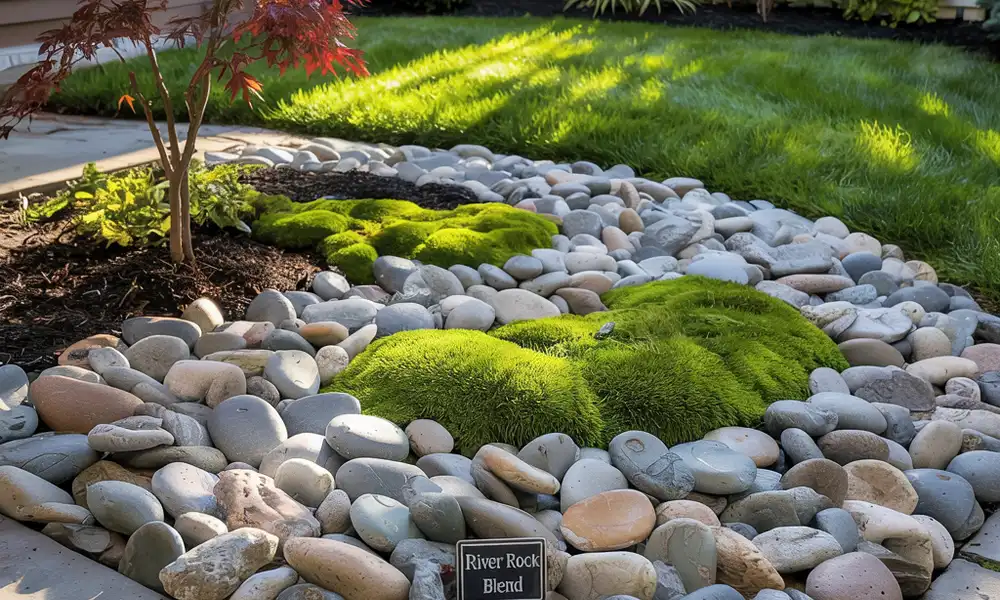
When it comes to landscaping, one of the most important steps is making sure you calculate landscape rock accurately. Whether you’re designing a flower bed, creating a pathway, or refreshing your entire yard, getting the right amount of rock can make all the difference. Too little, and you’ll end up with patchy results or multiple trips to the store. Too much, and you’ve spent money on materials you don’t need.From decorative flower beds to durable walkways and low-maintenance ground cover, stone is a versatile and popular choice in many outdoor projects. But before you load up your cart or place a bulk order, calculating stone for landscaping is key to saving both time and money. With a few simple measurements and the right approach, you can avoid waste, stay on budget, and make your landscaping project a success.How Is Stone Coverage Calculated for Landscaping? When planning a landscaping project, figuring out how much stone you need is essential to avoid over- or under-buying. Whether you’re using gravel, river rock, or crushed stone, the amount required depends on your area size and the desired depth. That’s where a rock landscaping calculator comes in handy. Let’s break it down.Common Units UsedBefore diving into the formula, it’s important to understand these common measurement units: Cubic Feet (ft³): Volume measured in feet. Cubic Yards (yd³): 1 cubic yard = 27 cubic feet. Tons: A common weight unit used when placing supplier orders for rock. Stone Coverage FormulaTo determine the number of cubic yards of stone required:Length (ft)×Width (ft)×Depth (in) = cubic yardsfrac = 324text{Cubic yards}{text{Depth (in)}}{324} times text{Width (ft)} times text{Length (ft)}324 cubic yardsDepth (in) × Length (ft) × Width (ft)Why 324? Since one yard is equivalent to three feet, 3 feet × 3 feet × (1 foot = 12 inches) equals 324 inches³ in a cubic yard.Conversion Tips One inch is equivalent to 0.0833 feet. Cubic Yards to Tons: Multiply cubic yards by the weight of the rock per yard, which varies based on the type of rock and is typically between 1.2 and 1.7 tons/yd³. If you’re asking, “how many tons of rock do I need?”, you’ll first need to calculate the volume in cubic yards and then convert that to tons.Example:Area: 10 ft x 10 ftDepth: 2 inchesCubic yards = 10×10×2324 = 200324≈0.62 cubic yardstext{Cubic yards} = frac{10 times 10 times 2}{324} = frac{200}{324} approx 0.62 text{ cubic yards}32410×10×2 = 324200 cubic yards, or almost 0.62 cubic yardsNow, convert to tons. Taking into account an average of 1.4 tons per cubic yard:0.62×1.4≈0.87 tons0.62 times 1.4 approx 0.87 text{ tons}0.62×1.4≈0.87 tonsSo for a 10×10 ft area at 2 inches deep, you would need approximately 0.87 tons of rock.How Many Tons of Rock Do I Need Per Square Foot? When you’re calculating stone for landscaping, a quick and simple method is to estimate how many tons of rock per square foot you’ll need based on the depth of coverage. This approach works great when you’re in a hurry or working on-site without a calculator.Quick Reference Guide: Tons per Square Foot by Depth Depth (inches) Tons per Square Foot 1 inch 0.008 tons/sq ft 2 inches 0.017 tons/sq ft 3 inches 0.025 tons/sq ft How to Use This Chart for Fast EstimatesTo calculate landscape rock needs quickly: Determine the area in square feet (length × width). Choose your desired depth in inches. Multiply the area by the tons/sq ft value from the chart. Example:Suppose you wish to cover a 500 square foot area with two inches of ornamental stone:500 sq ft×0.017 tons/sq ft=8.5 tons500 text{ sq ft} times 0.017 text{ tons/sq ft} = 8.5 text{ tons}500 sq ft×0.017 tons/sq ft=8.5 tonsTherefore, about 8.5 tons of rock would be required.Consider the Stone Type and DensityNot all rocks weigh the same. For instance: Granite or river rock is heavier than lava rock or decomposed granite. For large projects in particular, always ask your supplier what the material’s specific weight is per cubic yard or ton. Even with this general chart, calculating stone for landscaping can vary based on rock type and moisture content. For the most accurate estimate, combine this method with a rock landscaping calculator.You can also read about Bay Area Landscape construction.What Is The Required Amount Of Rock For Flower Beds? Using decorative rock in flower beds is not only stylish but also low-maintenance. To figure out how much you need, it’s important to consider coverage depth, the size of the area, and how you plan to keep everything neat and contained. A rock landscaping calculator can make the process quick and easy, but here’s how to calculate it manually as well.Ideal Depth for Flower BedsA rock depth of 1.5 to 2 inches is optimal for the majority of flower bed applications:  1.5 inches for lighter coverage or smaller rock. For complete coverage and improved weed suppression, use 2 inches.. This depth gives you a clean look without suffocating nearby plants.Don’t Skip the Weed BarrierBefore you lay the rock, install a landscape fabric or weed barrier underneath. This helps: Prevent weeds from pushing through the rock. Make future cleanup or rock replacement easier. Prevent the rocks from gradually settling into the ground. Edging Tips to Keep Rocks in PlaceTo maintain clean lines and stop rocks from spilling into your lawn or walkways: Use metal, plastic, or stone edging around the perimeter. Make sure the edging is at least 2 inches high to contain the rock. Bury part of the edging to keep it stable and reduce shifting. Example: Calculate Landscape Rock for a Small Garden BedLet’s say your flower bed is eight feet long and three feet wide. You want two inches of attractive rock. It is eight by three by twenty-four square feet. Convert to cubic yards using the formula: “Cubic Yards” = “Length (ft)×Width (ft)×Depth (in)324{text{Depth (in)}} times text{Width (ft)} times text{Length (ft)}{324}A cubic yard is equal to 324 length (ft) × width (ft) × depth (in) = 8×3×2324 = 48324≈0.15 cubic yards = frac{8 × 3 × 2}{324} = frac{48}{324}

How Much Do Landscapers Charge Per Hour for Services in 2025
Uncategorized

How Much Do Landscapers Charge Per Hour

How much do landscapers charge per hour is a key consideration for homeowners planning to invest in outdoor improvements. Whether you’re scheduling routine lawn care or tackling more complex landscape installations, knowing the landscaping cost per hour helps you set a realistic budget. The cost of a landscaper per hour varies depending on the scope of the project, the professional’s expertise, and your location. On average, hourly rates typically range from $50 to $100, but specialized services like hardscaping or custom garden design may exceed this range. Understanding these rates ahead of time allows you to plan confidently and avoid unexpected costs while maximizing your property’s curb appeal and value.Landscaping Hourly Rate Guide for 2025 How much does landscaping cost per hour in 2025? The average landscaping cost per hour in the U.S. typically ranges from $50 to $100, depending on factors such as the region, project complexity, and the landscaper’s expertise. Here’s a general breakdown: National Average: $70 per hour Basic Lawn Services: $35–$50 per hour Premium Landscaping Services (design, hardscaping, irrigation): $90–$150+ per hour Residential vs. Commercial Landscaping Hourly RatesThe landscaping hourly rate can vary based on whether the project is for a residential or commercial property. Commercial landscaping often involves larger spaces, specialized equipment, and long-term maintenance, resulting in higher hourly rates. Service Type Residential (per hour) Commercial (per hour) Lawn Mowing $35–$55 $45–$65 Landscape Design $60–$100 $80–$120 Irrigation Systems $75–$110 $90–$140 Seasonal Cleanups $50–$80 $60–$90 Choosing Between Hourly and Flat Rate Landscaping ServicesUnderstanding the difference between hourly rates and flat-rate pricing can help you select the best option for your landscaping project: Hourly Pricing: Best for smaller, short-term tasks like routine lawn care or seasonal cleanups. It offers flexibility if project details are likely to change. Flat Rate Pricing: Better suited for large-scale or clearly defined projects such as full landscape installations or patio construction, offering a predictable total cost. Which Pricing Model Fits Your Needs? Choose hourly if your project requires flexibility or involves ongoing maintenance. Choose flat rate if the project scope is well-defined and has a clear start and end date. You can also read about Landscaping design services in the Bay area.Landscaping Cost Per Square Foot in 2025 While many homeowners consider the landscaping hourly rate when budgeting, another common pricing model is cost per square foot, especially for larger or design-intensive projects. This method is often applied to complete landscape installations, where the size of the space directly impacts material needs, labor, and complexity.Per Square Foot vs. Hourly Pricing: What’s the Difference?Understanding the pricing structure is essential when planning a landscaping project. Here’s how the two models compare: Per Hour: Best suited for tasks like routine maintenance or smaller jobs. The landscaping hourly rate typically ranges between $50 and $100, depending on the service scope and location. Per Square Foot: Ideal for large-scale or one-time projects such as new landscaping installations, grading, or sod laying. This pricing approach provides a clearer projection of total costs based on property size. Average Landscaping Cost Per Square Foot (2025 Estimates) Service Type Price Range (Per Sq. Ft.) Notes Basic Lawn Maintenance $0.05 – $0.25 Typically includes mowing, edging, and light cleanup. Often billed hourly. Sod Installation $0.90 – $2.00 Varies based on soil preparation, grass type, and site conditions. Full Landscape Design $5.00 – $20.00+ Encompasses planting, lighting, irrigation, hardscaping, and custom design. For instance, transforming a 2,000 sq. ft. yard with full landscape design could cost between $10,000 and $40,000, depending on selected features and materials.Factors That Affect Landscaping CostsSeveral elements can influence both per-hour and per-square-foot pricing, including: Project size and complexity Material selection and quality Site conditions (e.g., slope, soil type) Design requirements Labor intensity and timeline The bigger and more complex the project, the more significant the overall investment—making accurate estimates crucial.Hourly vs. Flat Rate Pricing: What’s Best for You?Choosing between hourly vs. flat rate pricing depends on your project type and goals: Per Square Foot Pricing is recommended for larger, clearly defined projects where size directly affects the scope—like new installations or landscape overhauls. Hourly Pricing works well for ongoing maintenance or flexible tasks where the time spent is the biggest cost factor. For Landscape construction service in the Bay area contact Lakota Design Group.Factors That Affect Landscaping Costs Whether you’re enhancing a simple garden or planning a full outdoor renovation, it’s important to understand the key factors that affect landscaping costs. While the average landscaping cost per hour is a good starting point, many variables influence the final price of your landscaping project.1. Labor: Experience and Team SizeLabor is often the largest cost component in any landscaping job. The landscaping hourly rate typically ranges from $50 to $100, depending on: Experience Level: Skilled professionals—such as designers, lighting specialists, or irrigation experts—tend to charge more due to their expertise. Crew Size: A larger team may complete work faster, but it can also increase your hourly labor charges, especially for large-scale projects. 2. Type of Landscaping ServiceThe type of service you choose has a direct impact on cost: Service Type Effect on Cost Design Services Higher costs due to consultations, planning, and drawings. Installations Moderate to high, depending on features like patios or walls. Maintenance Tasks Lower, often billed hourly and performed regularly. Specialized services like custom stonework, water features, or outdoor lighting can significantly raise the average landscaping cost per hour.3. Project Size and ComplexityThe scale and intricacy of your outdoor project play a major role in total cost. A basic lawn refresh is far less expensive than a multi-level garden with built-in lighting, irrigation, and custom hardscaping. Larger or complex jobs often use a combination of hourly and flat rate pricing or square-foot rates for more accurate estimates.4. Equipment and MaterialsMaterial selection—whether it’s sod, mulch, decorative pavers, or smart irrigation—can quickly increase your project’s cost. Additionally, renting or transporting heavy equipment like trenchers, excavators, or grading machines may add to the cost of landscaper per hour, especially when extra labor is involved.5. Seasonal Demand and Location Seasonality:

How to Landscape a Large Pond | Tips & Ideas for Success
Uncategorized

How To Landscape A Large Pond

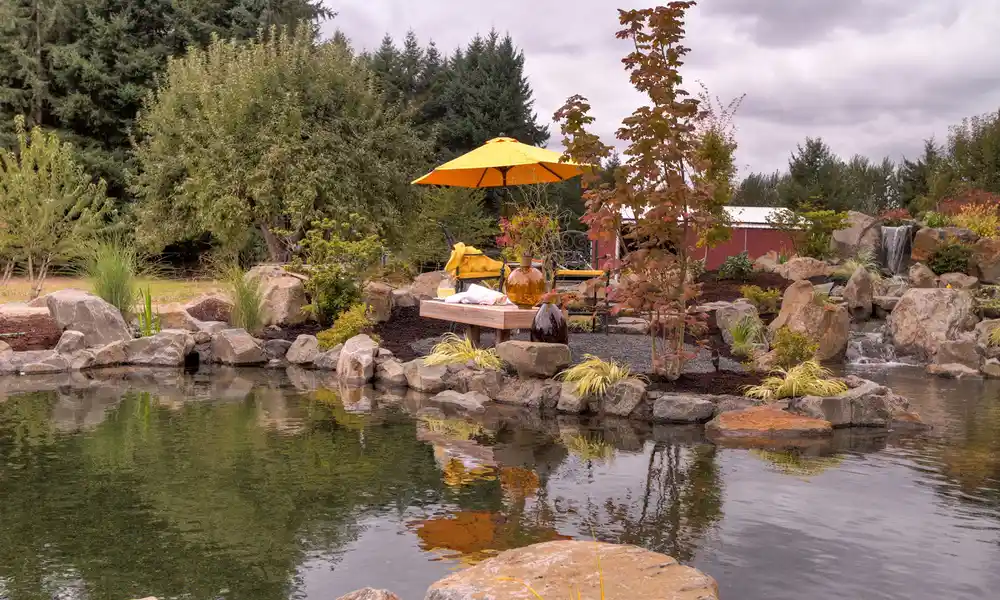
How to landscape a large pond starts with understanding the unique blend of beauty and function that pond and landscaping projects can bring to any outdoor space. A well-designed pond adds visual interest, supports local wildlife, and creates a peaceful retreat right in your backyard. Whether you’re working with a small water feature or aiming to landscape a large pond, the possibilities are endless. Pond sizes and shapes vary widely—from compact round designs perfect for tight spaces to expansive natural-style ponds that mimic wild ecosystems. Proper planning is especially crucial for large pond landscaping, where considerations like water flow, surrounding vegetation, and access paths can significantly impact the final outcome. With the right approach, landscape a large pond in a way that balances aesthetics, sustainability, and long-term maintenance.Understanding Pond Sizes and Shapes When designing a pond, size and shape play a crucial role in how the feature blends into your landscape and supports its intended purpose—whether for aesthetics, wildlife, or relaxation. From cozy backyard water gardens to expansive estate ponds, the dimensions and contours significantly influence design choices.Common Pond ShapesThere are several popular pond shapes to consider, each offering a unique visual impact: Natural: Mimics the look of naturally occurring ponds with irregular edges and gentle curves. Perfect for a relaxed, organic feel that complements wildlife-friendly gardens. Oval: Simple and elegant, oval ponds are easy to integrate into most landscapes and allow for efficient water circulation. Kidney: A favorite in residential yards, the kidney shape adds visual interest and is ideal for incorporating features like waterfalls or planting shelves. Formal geometric: Circles, squares, and rectangles give off an architectural, structured vibe that complements both classic and modern garden designs. These shapes not only influence the pond’s appearance but also its maintenance and ecological balance.Large Ponds vs. Small PondsEverything from the pond’s size to the amount of upkeep it requires is impacted: Large ponds allow for more aquatic plants, fish, and diverse landscaping features, such as bridges or islands. They offer more design flexibility but require more space and higher upkeep. Small ponds, while more compact and manageable, demand thoughtful design to make the most of limited space. They are ideal for urban settings or as focal points in smaller yards. If you’re working with limited space, check out our guide on small pond landscaping ideas for inspiration and practical tips.Landscape IntegrationNo matter the size or shape, successful pond design should harmonize with the overall landscape. Explore more landscape pond ideas to discover how materials, plants, and water features can enhance the aesthetic and ecological value of your yard. For more inspiration, dive into creative landscaping with ponds ideas that suit your unique outdoor space.You should read about Commercial Landscape Maintenance.10 Beautiful Pond Landscaping Ideas Your outdoor area can become a calm, beautiful haven with a well-designed pond. Whether you have a sprawling backyard or a compact garden, there’s a style to suit every setting. Here’s a curated collection of landscaping with ponds ideas that blend creativity, function, and natural beauty.1. Natural Rock Garden PondIncorporate boulders, pebbles, and native plants to create a pond that looks as if it’s always been part of the landscape. This landscape pond idea invites frogs, dragonflies, and birds, adding life and movement to your yard.2. Japanese Koi PondBalance, tranquility, and elegance define this timeless design. Featuring koi fish, water lilies, and sculptural elements like lanterns or bridges, this style highlights harmony in pond and landscaping aesthetics.3. Pond with Waterfall and StreamA cascading waterfall feeding into your pond adds sound, motion, and oxygenation. Streams can wind through your garden, connecting different areas in a natural, flowing design.4. Tropical-Themed PondPalm-like plants, bold foliage, and colorful blooms give your pond a lush, exotic vibe. Add bamboo fencing or tiki torches for an immersive getaway feel right in your backyard.5. Minimalist Modern PondClean lines, geometric shapes, and sleek materials like concrete or stone make this pond style perfect for contemporary homes. Underwater lighting and simple greenery complete the look.6. Cottage Garden PondSoft, romantic, and brimming with charm—this pond and landscaping combo features flowering perennials, stone borders, and rustic elements that blend perfectly with informal gardens.7. Pond with Floating DeckCreate a unique hangout spot with a wooden deck that partially floats over the pond. Ideal for small gatherings, meditation, or just relaxing by the water.8. Pond Surrounded by MeadowsLet nature do the landscaping with native grasses and wildflowers surrounding your pond. It’s a low-maintenance, high-impact design that supports pollinators and creates a peaceful, pastoral vibe.9. Wildlife Habitat PondDesign with nature in mind by adding shallow zones, rocks for basking, and plants that offer shelter. This type of pond promotes biodiversity and provides a haven for local wildlife.10. Night-Lit Pond with LED FeaturesAdd ambiance after dark with soft LED lighting beneath the water and around the pond’s edge. Evening outdoor parties are made more dramatic and elegant with color-changing lights or solar-powered alternatives.These landscape pond ideas prove that with the right vision, any yard can become a water-feature oasis. Whether you’re dreaming of a peaceful escape or a bold garden centerpiece, landscaping with ponds ideas like these offer plenty of inspiration to bring your outdoor vision to life.You can also read about Landscape Installation services in Bay area.Landscaping a Large Pond vs a Small Pond Creating a picturesque pond can completely transform your outdoor space, but the approach can vary greatly depending on the pond’s size. Whether you’re tackling a backyard water feature or a sprawling estate-sized pond, understanding the key differences in approach, budget, and labor is essential. Here’s a breakdown of what to consider when exploring landscape pond ideas, especially if you’re planning to landscape a large pond.Key Differences in Approach, Budget, and Labor 1. Scale of Design Small Pond: A small pond allows for detailed, intricate designs with features like mini waterfalls, decorative rocks, and compact aquatic plants. Every factor is within your greater control. Large Pond: When you landscape a large pond, the design needs to be broader and often more naturalistic. Features like peninsula walkways, multiple

Why Does My Landscape Fabric Hold Water? Find Out Why
Uncategorized

Why Does My Landscape Fabric Hold Water

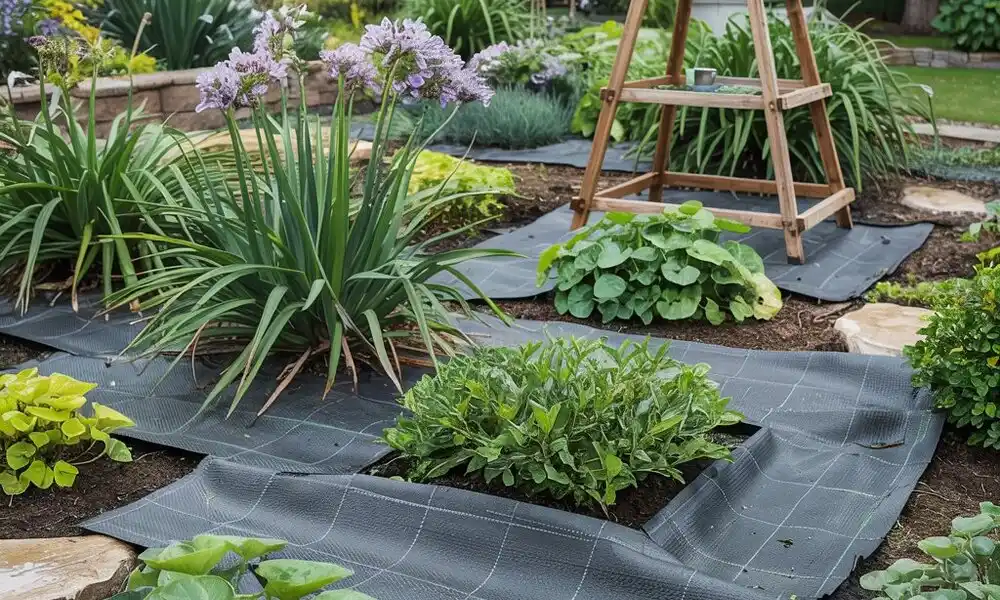
Why does my landscape fabric hold water? Landscape fabric is a commonly used material in gardening and landscaping, designed to suppress weeds while allowing air and water to pass through to the soil below. It’s often seen as a low-maintenance solution for keeping gardens neat and healthy.But what happens when it starts holding water instead of letting it drain? That’s when problems arise. If you’ve noticed puddles forming or overly soggy soil beneath your mulch, you might be dealing with landscape fabric holding water a frustrating and unexpected issue for many gardeners.In this article, we’ll dive into the reasons behind this problem, explore the disadvantages of excess water retention, highlight common misuses of landscape fabric that can lead to drainage issues,and provide some useful substitutes to support the success of your garden. Why Does My Landscape Fabric Hold Water? If you’re finding puddles or excess water collecting on your landscape fabric, you’re not alone. Many gardeners ask, Does water go through landscape fabric? or “Is landscape fabric water permeable?” The response is contingent on a number of important factors:Poor Quality or Incorrect Type of FabricThe type of landscape fabric you use plays a major role in water permeability. Non-woven vs. Woven Fabric Differences: Non-woven fabrics are typically made from bonded synthetic fibers and are often less permeable, especially the cheaper varieties. Woven fabrics, on the other hand, are made with crisscrossed fibers that allow more water to seep through ideal for situations where drainage is important. How Cheap or Plastic Fabrics Impede Drainage: Budget or plastic-like landscape fabrics often lack sufficient pores for water to pass through. These fabrics can act more like tarps than garden aids, trapping water instead of letting it flow. So if you’re asking, Is landscape fabric water permeable? some are, but not all. Clogged Fabric Over TimeEven high-quality landscape fabric can become less permeable over time. Debris, Soil, and Mulch Buildup: Fine particles from soil and mulch can accumulate on the fabric’s surface or within its pores, reducing its ability to drain properly. Organic Matter Decomposition Leading to Blockage: Decomposing mulch or plant debris can form a sludge-like layer, clogging the fabric and turning it from permeable to nearly waterproof. Over time, even fabrics marketed as water-permeable may lose functionality. Improper InstallationIncorrect installation can compromise even the best materials. No Slope or Grading: Water needs a path to flow. If your fabric is laid on flat or low areas without proper grading, water will pool regardless of the fabric’s permeability. Fabric Placed Too Deep or Covered Incorrectly: Burying fabric under too much mulch or soil can compress it and prevent water from reaching the ground below. It’s essential to follow manufacturer recommendations for layering and depth. Overcompaction of Soil Beneath FabricEven if water gets through the fabric, the underlying soil must be able to absorb it. How This Reduces Permeability: Compacted soil has fewer air pockets, which drastically reduces water infiltration. Water may collect on the surface simply because it has nowhere else to go. The Impact of Machinery or Foot Traffic: Regular walking pathways or repeated pressure from heavy machinery can flatten the soil underneath the fabric. This creates a hard barrier, defeating the purpose of using a permeable material. You can also read about bay area landscape construction service.The Disadvantages of Landscape Fabric While landscape fabric is often marketed as a low-maintenance solution for weed control, it comes with several drawbacks that can affect long-term garden health and functionality. Let’s break down the key disadvantages:Poor Water Drainage Over TimeOne of the biggest issues with landscape fabric is its declining drainage ability. Even if you start with water permeable landscape fabric, its effectiveness can diminish due to debris, soil, and organic matter clogging the material. This often leads gardeners to question, “Is landscape fabric water permeable?” and while it might be at first, that permeability often reduces over time, leading to pooling water and root rot.Weed Growth Around Edges or Through HolesLandscape fabric isn’t a permanent weed blocker. Over time, weeds can sneak in through the edges, seams, or any holes made for planting. As mulch breaks down or blows away, weed seeds have a better chance of establishing themselves right on top of the fabric, making your garden look messy and defeating the purpose of installation.Difficult to Remove or ReplaceOnce installed, landscape fabric can be a headache to take out. Roots may grow through it, mulch settles on top, and over time, it starts to disintegrate—turning removal into a frustrating, labor-intensive task. This makes it challenging to refresh your garden layout or improve the soil underneath.Harm to Soil Health and EarthwormsLandscape fabric restricts the natural flow of air and water, which can hurt soil health. Earthworms and beneficial microbes struggle to thrive in soil covered by synthetic barriers. Even water permeable landscape fabric can limit oxygen exchange, leading to compacted, lifeless soil over the years.Mulch Breakdown Becomes MuckOrganic mulch is supposed to decompose slowly into the soil, improving fertility. But when mulch sits on top of fabric, it breaks down into a soggy, mucky layer that doesn’t enrich the soil. Instead of benefiting your garden, it creates a mess and further clogs the fabric.you can read about Garden FencesFour Most Common Misuses of Landscape Fabric While landscape fabric can help with weed control and erosion prevention, it’s often misused in ways that reduce its effectiveness or even create bigger problems. Here are the most common mistakes gardeners make, and how they relate to drainage, durability, and garden health.Using Fabric Under Organic MulchMany gardeners install landscape fabric beneath organic mulch like bark or wood chips, thinking it will prevent weeds and improve garden performance. However, in practice, this arrangement frequently backfires. The mulch decomposes on top of the fabric, creating a soggy, compacted layer that holds moisture. Instead of improving soil, the decaying mulch can cause unpleasant smells, root rot, and over time landscape fabric holding water where it should be draining. Even water permeable landscape fabric can clog under these conditions, especially without

What Is The Best Landscape Fabric That Lets Water Through
Uncategorized

What Is The Best Landscape Fabric That Lets Water Through?

What is the best landscape fabric that lets water through? Choosing the right landscape fabric for your garden or landscaping projects is crucial for promoting healthy plant growth and maintaining the integrity of your outdoor spaces. Landscape fabric serves as a barrier that helps prevent weed growth, while also allowing water to drain effectively through the soil. It’s especially important to consider the fabric’s ability to let water through, ensuring proper drainage for plant roots. When selecting the ideal landscape fabric for drainage, you should look for materials designed specifically for this purpose, as these fabrics allow water to pass through while blocking unwanted weeds. By opting for the best landscape fabric drainage solution, you ensure the perfect balance of water retention and weed control, creating an optimal environment for your plants to thrive.Understanding Landscape Fabric What is Landscape Fabric?Landscape fabric is a synthetic material used in landscaping and gardening to control weeds and promote water drainage. It’s typically made from polyester or polypropylene and helps create a barrier that prevents weeds while allowing water and air to pass through the soil.Common Uses Weed Control: Blocks sunlight to prevent weed growth, ideal for garden beds, flower beds, and paths. Pathways & Mulch: Used under gravel or mulch to reduce weed growth and prevent soil compaction. Gardens: Helps maintain clean garden beds by suppressing weeds and allowing water to reach plant roots. How Landscape Fabric Works Water Drainage and Weed ControlLandscape fabric helps control weeds by blocking sunlight but also needs to allow water to drain through. Poor installation or fabric clogging can result in landscape fabric not letting water through, which affects plant health. Choosing high-quality, permeable fabric helps avoid this issue.Material Types Woven Fabric: Strong, durable, and allows good water filtration but can clog over time, leading to drainage problems. Non-Woven Fabric: Less durable but still effective at blocking weeds. It may also have drainage issues if clogged with soil. You can also read about landscape design services in Bay Area.What is the Best Landscape Fabric That Lets Water Through? When choosing landscape fabric, one of the key factors to consider is its ability to let water through. The best fabrics allow water, air, and nutrients to pass while blocking weed growth, ensuring healthy plant roots. Here’s what to look for and the top options available.Key Features to Look for in a Landscape Fabric for Water Drainage Material Permeability: The fabric’s permeability is crucial. Woven fabrics generally allow better water flow compared to non-woven ones. Water Flow Rates: The speed at which water can pass through the fabric is indicated by the flow rate. Fabrics with higher flow rates are better for drainage and preventing landscape fabric not letting water through. Top Options for Landscape Fabric That Allows Water Through Option 1: Woven Landscape Fabric Benefits of Woven Fabrics: Woven fabrics, made from interlaced fibers, offer excellent drainage. They provide good water filtration, ensuring that moisture and air reach the soil and plant roots without getting clogged. This reduces the chances of landscape fabric not letting water through. Recommended Brands and Types: DeWitt Pro-5 Weed Barrier: Known for its strong, durable weave and excellent water permeability. Gardener’s Supply Company Weed Barrier: Offers superior water flow and long-lasting performance. Option 2: Permeable Landscape Fabric Comparison with Non-Permeable Fabric: Non-permeable fabrics, while effective at blocking weeds, are less ideal for drainage as they don’t allow water to pass freely. Permeable fabrics, however, are designed to permit water flow while still preventing weed growth. Best Uses for Permeable Fabric: Garden Beds: Ideal for garden beds where water drainage is important. Under Gravel: Great for areas like pathways or driveways where you need both weed control and proper drainage. Option 3: Eco-Friendly Fabrics Sustainable Options That Still Allow Water Flow: Eco-friendly landscape fabrics made from recycled materials or biodegradable fibers can provide effective drainage without harming the environment. Environmental Considerations: These fabrics help reduce plastic waste, but it’s important to choose one that still maintains proper water permeability. Fabrics made from natural fibers, such as jute or coconut coir, offer good drainage while being biodegradable. Which Fabric is Best for Specific Landscapes? For Gardens and Lawns: Woven or permeable fabrics are the best choices, as they allow sufficient water flow and air circulation. They help maintain healthy soil and prevent weeds effectively. For Driveways and Paths: Permeable landscape fabric works best here, as it prevents weed growth while allowing water to pass through gravel or stone paths. You can also read about Bay Area Landscape Construction Services.Should I Use Landscape Fabric Under Gravel? Using landscape fabric under gravel is a common practice, especially for driveways, pathways, and other gravel-based areas. It helps manage weeds, improves drainage, and prevents the gravel from mixing with soil. However, there are both benefits and drawbacks to consider before making a decision.Pros of Using Landscape Fabric Under Gravel Preventing Weed Growth: One of the primary reasons for using landscape fabric under gravel is its ability to block weeds. It acts as a barrier that prevents weed seeds from germinating, reducing the need for constant weeding and herbicides. Enhancing Drainage: Landscape fabric helps with proper water drainage by allowing water to flow through while preventing soil from mixing with gravel. This is especially advantageous in places that have poor drainage or are prone to pooling. Protecting Gravel from Sinking into the Soil: Over time, gravel can sink into the soil beneath it, especially in areas with heavy foot or vehicle traffic. The fabric helps maintain the gravel layer’s structure by keeping it separate from the soil, which ensures the gravel stays in place and maintains its appearance. Cons of Using Landscape Fabric Under Gravel Potential Long-Term Degradation: Landscape fabric may degrade over time due to exposure to sunlight, moisture, and the weight of the gravel. As the fabric breaks down, it may lose its effectiveness in preventing weed growth and could also hinder drainage. Maintenance Concerns: Over time, the fabric may become clogged with dirt, debris, or plant material.

Our Client's Reviews

Copyright © 2025 | Localpro1 | All Rights Reserved.

English