Author name: admin

How to Build Stairs with Paver Stones | Step-by-Step Guide
Uncategorized

How To Build Stairs With Paver Stones

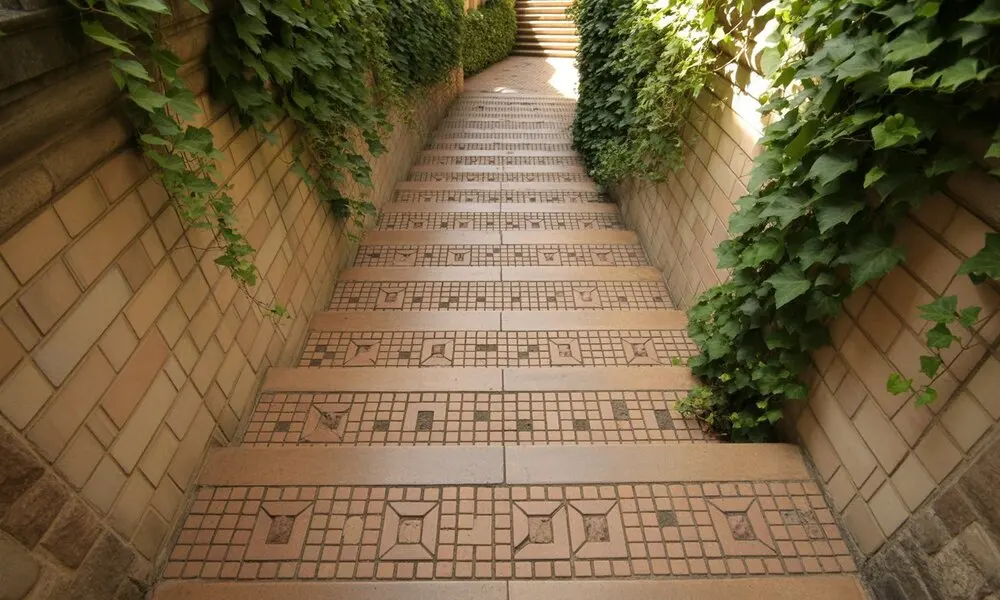
How to build stairs with paver stones begins with understanding why they are a popular choice for outdoor landscaping. Paver stairs not only add a stylish and natural look to your yard but also offer strong durability that can withstand weather and heavy use. Using pavers for steps creates a clean, polished appearance that enhances the overall look of your home and increases property value.Building with paver stones allows for flexibility in design, offering various colors, shapes, and textures to match your outdoor space. While some homeowners choose the DIY route to save money and enjoy a hands-on project, others prefer hiring a professional to ensure safety, proper drainage, and long-term stability. Either way, paver stairs are a great investment that blends function with beauty.Planning Your Paver Stone Stairs Creating paver stone stairs is a great way to boost the look and safety of your outdoor space. Before starting, it’s important to plan properly. Here’s a simple guide to help you get started:1. Evaluate the Slope and TerrainStart by checking the slope of the area where you want to build the stairs. If the hill is too steep or uneven, you may need to level the ground or add support. A smooth, stable base is key to making long-lasting and safe stairs.2. Measure Stair Dimensions (Rise/Run)Next, measure how high (rise) and how deep (run) each step will be. A comfortable step usually has a rise of 6 to 7 inches and a run of about 12 inches. Accurate measurements help ensure the steps are easy to walk on and look good too.3. Check Local Building Codes and PermitsBefore starting the work, look into your local building codes. Some areas require a permit to build outdoor stairs. These rules help make sure your project is safe and up to standard.4. Tools & Equipment ChecklistGather everything you need before beginning. Here’s a basic list: Measuring tape Shovel and level Gravel and sand for the base Rubber mallet Concrete adhesive (if needed) Paver stones Safety gear (gloves, goggles) Choosing the right pavers for steps is important too. Some materials provide better grip and durability than others. Look for paver steps ideas online or at your local landscaping store to get inspiration and see what styles suit your space.You may read Are Concrete Paver Good For Patio.Material Options for Paver Steps When planning your outdoor stairs, choosing the right material is just as important as the design. There are several great paver steps ideas to consider based on your style, budget, and the look you want to achieve. Below are some popular options for pavers for steps, along with their pros and cons:1. Concrete PaversPros: Affordable and widely available Easy to install and replace Comes in many shapes, colors, and textures Cons: Can fade over time in direct sunlight May crack in extreme weather if not installed properly Concrete pavers are a top choice for many homeowners because they offer flexibility in design and are easy to work with.2. Natural Stone (Bluestone, Flagstone, etc.)Pros: Beautiful, timeless look Very strong and long-lasting Adds natural charm to any landscape Cons: More expensive than other options Heavier and harder to install May need sealing to prevent staining If you’re going for a high-end or rustic look, natural stone is one of the best paver steps ideas to explore.3. Brick-Style PaversPros: Classic and traditional appearance Durable and weather-resistant Easy to maintain Cons: Limited color range (mostly red and brown tones) Can be slippery when wet unless textured Brick-style pavers for steps are great if you’re aiming for a charming, old-world feel.4. Treads, Risers, and Coping StonesThese are special pieces used to finish off your steps: Treads are the flat parts you step on. Risers are the vertical parts between each step. Coping stones are used to cap off stair edges for a smooth, finished look. They come in all the materials mentioned above and help tie your whole stair design together.Step-by-Step Guide | How to Build Stairs with Paver Stones Building paver stairs adds both function and beauty to your outdoor space. Whether you’re working on a sloped yard, garden, or patio, the right steps can make your space safer and more attractive. Here’s a simple guide to help you with creating steps with pavers:Step 1: Design & Layout PlanningStart by deciding how many steps you need and where they’ll go. Measure the rise (total height) and run (total length) to calculate the number of steps and size of each. Look at paver steps ideas online or in landscaping catalogs for inspiration on style and layout.Tip: A comfortable stair usually has a rise of 6–7 inches and a run of about 12 inches.Step 2: Excavation & Base PreparationMark your stair layout and begin digging. You’ll need to dig deep enough for the gravel base, sand layer, and pavers. Be sure to create a level and stable foundation.Importance of Proper Drainage: Good drainage keeps your paver stairs from shifting or cracking. Slope the base slightly away from your home and add crushed gravel to help water flow away.Step 3: Installing the Base Layer (Gravel & Sand)Lay about 4–6 inches of crushed gravel and compact it well. Then add 1 inch of coarse sand and level it out.This base provides a strong, stable foundation for creating steps with pavers and prevents future sinking or movement.Step 4: Building Step Frames (Using Blocks or Stone Risers)Use stone blocks, concrete blocks, or pre-cut stone risers to form the front and sides of each step. Make sure each step is level before moving on to the next one.Tip: Dry-fit the blocks first to see how they line up before securing them.Step 5: Placing Pavers and TreadsNow it’s time to place your chosen paver stones on the step treads. Whether you go with concrete, natural stone, or brick-style, align them neatly and press them firmly into place.Explore different paver steps ideas to choose patterns and colors that match your overall outdoor design.Step 6: Compacting and Finishing TouchesOnce your steps are built, go over them
Are Concrete Paver Good for Patio? What You Should Know
Uncategorized

Are Concrete Paver Good For Patio

Are concrete pavers good for patio projects? Choosing the right material is essential for creating a durable and attractive outdoor space. Homeowners often compare pavers or concrete to find the best balance of cost, style, and maintenance. Concrete patio pavers offer flexibility in design, are easy to repair, and provide better drainage than solid concrete slabs. They also come in various shapes, colors, and textures to match different aesthetics. When considering long-term value and visual appeal, many find that concrete patio pavers are a smart choice. So, are concrete pavers good for patio use? In many cases, they absolutely are.What Are Concrete Pavers? Concrete pavers are solid blocks made from a mixture of cement, sand, gravel, and water. These blocks are shaped into different sizes and styles, then allowed to cure until they are strong and ready to be used. Driveways, walks, patios, and other outdoor surfaces are frequently constructed with them.When utilized in garden or backyard areas, concrete pavers are often referred to as concrete patio pavers.Composition of Concrete PaversConcrete pavers are made by mixing: Cement – acts as the binder Sand – gives the mix structure Gravel or crushed stone – adds strength Water – activates the cement to harden the mix Once the mixture is poured into molds, it is compacted and cured to become durable, weather-resistant blocks.Difference Between Concrete Pavers and Poured ConcreteWhen deciding between pavers or concrete, it’s helpful to know how they differ: Feature Concrete Pavers Poured Concrete Installation Placed one by one on a sand base Poured in one large slab Appearance Many shapes, colors, and patterns Mostly plain and flat Repair Easy to replace single pavers Cracks are harder to fix Durability Better at handling freeze-thaw cycles May crack over time Cost Slightly more upfront Lower cost to install initially Concrete patio pavers are usually chosen for their flexibility in design and ease of maintenance, while poured concrete is often selected for larger or more budget-friendly projects.Common Uses and ApplicationsConcrete pavers are widely used in many outdoor areas, including: Patios – for stylish and durable outdoor living spaces Driveways – for a strong, attractive surface that can hold heavy vehicles Walkways and garden paths – for neat, clean paths around a yard Pool decks – because they don’t get as slippery as poured concrete Courtyards and plazas – for commercial and public spaces Whether you’re choosing pavers or concrete, the decision depends on your design goals, budget, and how much maintenance you’re willing to do.Types of Concrete Pavers Concrete pavers come in several types, each with unique features and benefits. Choosing the right one depends on your project and personal style. The most popular varieties for outside areas like patios, walks, and driveways are listed below.1. Interlocking Concrete PaversInterlocking concrete pavers are designed to fit together like puzzle pieces. They are very strong and durable, making them ideal for driveways, sidewalks, and patios. Their interlocking design keeps them from moving over time and helps them stay in place. Best for: Driveways, walkways, high-traffic areas Benefits: Long-lasting, easy to repair, great load-bearing strength When comparing paving stones vs concrete, interlocking pavers often win in strength and ease of maintenance.2. Architectural Slab PaversArchitectural slab pavers are smoother and thinner than interlocking pavers. They are ideal for concrete patio pavers in homes or businesses because they provide a more contemporary and fashionable appearance. Best for: Patios, pool decks, and garden areas Benefits: Sleek design, available in many finishes, lightweight However, they’re not recommended for heavy loads like driveways, as they’re less durable than interlocking types.3. Permeable Concrete PaversPermeable concrete pavers are designed to allow water to pass through them, reducing runoff and helping the environment. They are a great option in areas with heavy rain or where drainage is a concern. Best for: Eco-friendly patios, driveways, and walkways Benefits: Helps prevent water pooling, supports drainage, eco-conscious design Choosing permeable pavers can be a smart move when comparing paving stones vs concrete, especially in areas with strict stormwater regulations.Color, Shape, and Texture VariationsConcrete pavers are available in a vast array of hues, forms, and textures. There is a style to fit your design, whether you choose a contemporary smooth surface or the appearance of natural stone. Colors: Gray, tan, red, charcoal, multi-tone blends Shapes: Square, rectangular, hexagonal, irregular stone shapes Textures: Smooth, tumbled, embossed, or cobblestone finishes These design choices allow homeowners to create unique looks using concrete patio pavers that suit both traditional and modern outdoor spaces.Installation Process for Concrete Pavers Installing concrete patio pavers involves several key steps to ensure a durable and long-lasting surface.1. Site Preparation and Base Layer Clear the area of grass, dirt, and debris. Excavate to the proper depth (usually 6–8 inches). Add a compacted gravel base (about 4 inches) for stability. 2. Laying Patterns and Alignment Spread a 1-inch layer of sand over the base. Lay the paving stones in your chosen pattern (herringbone, basket weave, etc.). Keep edges straight and level as you go. 3. Sand Infill and Compaction After placing the pavers, fill in the joints with fine sand. Use a plate compactor to press the pavers into the sand bed and lock everything in place. 4. DIY vs. Professional Installation DIY is doable for small projects like patios or walkways. For large or load-bearing areas like driveways, professional installation ensures better durability and drainage. Concrete Pavers Advantages Concrete patio pavers are a popular choice for outdoor spaces because they offer many practical and visual benefits. Here’s why they’re a smart option:1. Durability and Load-Bearing CapabilityConcrete pavers are extremely strong and can handle heavy loads without cracking. That’s why they’re great for driveways, walkways, and high-traffic areas. Compared to plain concrete, pavers are less likely to break under pressure.2. Aesthetic VersatilityThey come in many shapes, colors, and textures, allowing for creative designs and patterns. Whether you prefer a classic brick look or a modern stone finish, concrete patio pavers can match any style.3. Low Maintenance and RepairabilityPavers are easy to clean and maintain. If one gets

How Much Does a Paver Patio Cost? Affordable Estimates 2025
Uncategorized

How Much Does A Paver Patio Cost

How much does a paver patio cost? Paver patios are a popular option for outdoor areas due to their durability, strength, and style. Many homeowners prefer them over concrete due to their design options and easy repairs. On average, paver patio cost installed ranges from $10 to $25 per square foot. For a 300-square-foot patio, the total paver patio cost could be between $3,000 and $7,500. Prices depend on factors like patio size, paver type, design complexity, and labor costs. Extra features like borders or fire pits can also raise the price. Being aware of these specifics aids in more precise budgeting and helps you understand the paver patio cost per sq feet before starting your project.Understanding Paver Costs: Factors and Price Overview It’s critical to comprehend the elements that affect the overall cost while designing a paver patio. The cost of a paver patio per square foot depends on a number of factors, whether you’re building a large party space or a little backyard hideaway. Here is a thorough explanation of the main factors and current pricing ranges.Important Elements That Impact Paver Patio PricesPatio SizeOne of the biggest factors influencing costs is the total size of your patio. Naturally, the cost of a larger patio will increase due to the additional time and materials required. Since most prices are determined by the square foot, your project’s cost could almost double if it doubles in size.Paver Material TypeDifferent paver materials have different price tags. High-end brick alternatives or real stone are typically more costly than basic concrete pavers. The choice of material has a significant impact on the cost of paver installation, particularly when durability, aesthetic appeal, and maintenance requirements are taken into account.Costs of Labor and InstallationThe complexity of the installation and your location affect labor expenses. The time and skill needed to install pavers might be enhanced by intricate patterns, curves, or multi-level designs. Employing a trustworthy contractor guarantees long-term value and expert outcomes, but it also has an impact on the ultimate cost.Location and Site PreparationThe cost will go up if the installation site needs extensive preparation, such grading, excavation, or the removal of outdated materials. Another factor is accessibility; harder-to-reach locations could require more work or equipment.Extra FeaturesYou can improve the look and use of your patio by adding unique elements like seating walls, built-in steps, decorative borders, or lights. However, because these elements add materials and labor time, the total cost of a paver patio will increase per square foot.Range of National Average Prices (2025 Update)Depending on the project’s quality and extent, the national average for paver patios as of 2025 ranges widely: Cheap: $8 to $12 per square foot $15 to $25 per square foot on average High-end: over $30 per square foot These numbers indicate that the average overall cost of a typical patio installation falls between $1,500 and more than $8,000. The size of the patio, the complexity of the design, and local labor costs all affect this estimate. Cost Breakdown by Paver Material When choosing the right material for your patio, it’s important to consider both aesthetics and cost. Each type of paver offers distinct advantages and pricing, which can significantly affect the paver patio cost installed. Below is a detailed breakdown of common paver materials, including average prices, pros and cons, and how they impact overall laying pavers cost.Concrete PaversAverage Price per Square Foot: $8 – $15Pros: Affordable and widely available Versatile in shapes, colors, and textures Easy to install and replace Cons: May fade or crack over time Less natural look compared to stone Concrete pavers are one of the most budget-friendly options for homeowners. Their lower material cost keeps the laying pavers cost relatively manageable, making them ideal for larger patios or cost-conscious projects.Brick PaversCost Estimate: $12 – $20 per square footDurability: Moderate to high, depending on clay qualityAesthetic Appeal: Brick pavers provide a timeless, classic look that enhances traditional landscapes. They age beautifully and maintain their color well over time.While more expensive than concrete, brick is still a solid mid-range choice for homeowners looking for charm and character without breaking the bank. The paver patio cost installed with brick is influenced by its heavier weight and the need for skilled alignment to maintain pattern consistency.Natural Stone PaversHigh-End Material Pricing: $25 – $40+ per square footLuxury Finish but Higher Labor Costs: Natural stone like flagstone, slate, or travertine offers a luxurious and organic appearance that’s hard to replicate. However, it requires skilled labor for cutting, fitting, and leveling, which increases both material and laying pavers cost.These pavers are ideal for upscale landscapes but come with a significantly higher paver patio cost installed. They’re best suited for homeowners seeking long-term value and a high-end finish.Porcelain or Interlocking PaversSpecialty Options and Unique Pricing Tiers: $15 – $35 per square footPorcelain and interlocking concrete pavers represent the modern edge of patio design. Porcelain offers a sleek, contemporary look with excellent stain resistance, while interlocking pavers simplify installation and improve load-bearing capacity.Due to their precision manufacturing and sometimes custom finishes, these options fall into higher pricing tiers. Installation also requires specific expertise, which elevates the laying pavers cost for these materials.How Much Does a 12×12 Paver Patio Cost? A 12×12 paver patio covers 144 square feet, making it a manageable project size for many homeowners. However, the total cost can vary widely depending on the paver material, labor rates, and whether you choose to DIY or hire a professional. Below is a detailed cost breakdown to help you estimate your project.Total Square Footage: 144 sq. ft. Cost Range Based on Material TypeHere’s a look at the paver patio cost installed by material type for a 144 sq. ft. area: Material Cost per Sq. Ft. (Installed) Total Estimated Cost (144 sq. ft.) Concrete Pavers $8 – $15 $1,150 – $2,160 Brick Pavers $12 – $20 $1,730 – $2,880 Natural Stone Pavers $25 – $40 $3,600 – $5,760 Porcelain/Interlocking $15 – $35 $2,160 – $5,040 Sample Budget Estimate: Basic vs. Premium Materials Basic Budget

How Much Does It Cost To Pave A Driveway? Lakota Design Group breaks down costs by material, size, and location to help you plan your budget.
Uncategorized

How Much Does It Cost To Pave A Driveway

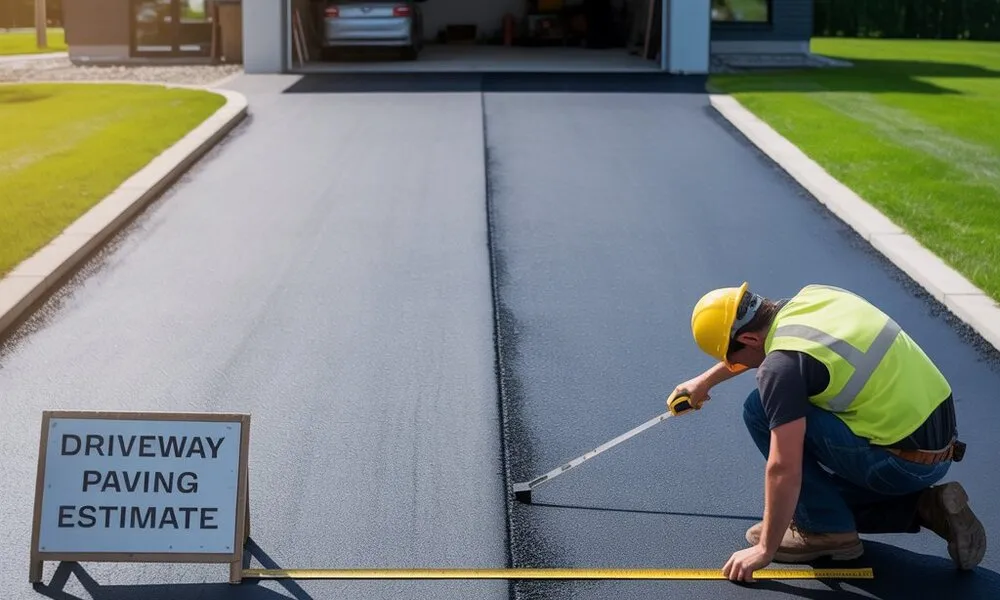
How much does it cost to pave a driveway? This is a common question homeowners ask when considering one of the most popular home improvement projects. Driveway paving not only enhances curb appeal but also adds value and functionality to a property. Whether you’re replacing an old, cracked surface or installing a brand-new driveway, understanding the financial commitment is crucial. The cost can vary widely based on factors such as driveway size, materials used (asphalt, concrete, gravel, or pavers), labor costs, and regional pricing differences. On average, homeowners can expect to pay anywhere from $1,500 to $7,000, with asphalt being one of the more affordable options and decorative pavers among the most expensive. Being informed about these costs helps ensure better planning and prevents unexpected expenses down the road.Driveway Paving Cost Breakdown Depending on the size, materials, location, and site conditions, paving a driveway usually costs between $4,000 and $8,000 on average. For a standard 2-car driveway (about 600–700 sq ft), here’s how those costs generally break down:1. MaterialsCost Range: $1,200 – $3,000 The type of material has the biggest impact on total driveway paved cost. Common options include: Asphalt: $3 – $7 per sq ft Concrete: $5 – $10 per sq ft Gravel: $1 – $3 per sq ft Pavers: $10 – $30 per sq ft 2. LaborCost Range: $1,500 – $3,500 Labor costs include excavation, base installation, and paving. Labor rates can vary based on the region, driveway complexity, and contractor experience.3. Permits & InspectionsCost Range: $50 – $300Before paving a driveway, some counties or towns require permits. Inspections may also be required depending on zoning or environmental concerns.4. Grading & Site PreparationCost Range: $500 – $2,000 Before paving, the site may need: Excavation Soil stabilization Base layer installation (gravel or crushed stone) This step ensures proper drainage and long-term durability.5. Drainage SolutionsCost Range: $200 – $1,500In order to avoid water damage, proper drainage is essential. This can include: French drains Sloping/grading adjustments Drainage channels or culverts Cost Range Example: Typical 2-Car Driveway (600–700 sq ft) Component Estimated Cost Materials (Asphalt) $2,400 – $4,900 Labor $1,500 – $3,500 Permits & Inspections $50 – $300 Grading & Site Prep $500 – $2,000 Drainage Solutions $200 – $1,000 Total Estimate $4,650 – $11,700 If you want paver installation services in the Bay Area you can contact us.Factors Affecting Driveway Paving Cost When estimating the total pavement driveway cost, several variables come into play. Understanding these can help homeowners plan their budget more accurately and avoid surprises during the project.1. Size of the Driveway (Length × Width)The most direct factor influencing your driveway paved cost is its size. More materials and labor are required for a larger driveway. A standard 2-car driveway is typically 600–700 square feet, but larger or custom shapes will cost more. 2. Material ChoiceDifferent paving materials have different price ranges. Common options include: Asphalt: Cost-effective, $3 – $7 per sq ft Concrete: Durable, $5 – $10 per sq ft Gravel: Budget-friendly, $1 – $3 per sq ft Pavers: High-end look, $10 – $30+ per sq ft Each material has pros and cons in terms of maintenance, appearance, and longevity—factors that directly affect the total pavement driveway cost.3. Local Labor RatesLabor costs vary by region due to differences in wages, demand, and contractor availability. Labor costs are typically higher in urban areas than in rural ones.4. Soil Condition & Grading NeedsPoor soil or uneven terrain increases the driveway paved cost because: Extra excavation or fill might be needed A stable base must be created for long-term performance Grading ensures proper slope and water runoff.5. Accessibility of the SiteIf your driveway site is difficult to access—due to tight spaces, trees, or slopes—contractors may charge more for the added effort and equipment needs.6. Climate & Drainage RequirementsIn areas with heavy rain, snow, or freeze-thaw cycles, additional steps may be needed: Drainage channels or French drains Reinforced materials or deeper base layers Although they increase the expense of the paved driveway, these shield it from long-term harm.7. Permit Fees & Regional RegulationsLocal regulations may require: Zoning approval Stormwater management plans Driveway permits Permit fees can range from $50 to $300+ and vary by city or county. Make sure to include these in the overall cost of having your driveway paved.Driveway Paving Cost by Material Asphalt Cost: $3 – $7 per sq. ft. Average Cost: $2,400 to $4,900 for a driveway with two cars Pros: Affordable, quick to install Cons: Requires sealing every 3–5 years Concrete Cost: $5 – $10 per sq. ft. Average Total: $3,500 – $7,000 Benefits: Long-lasting, low maintenance, clean look Gravel Cost: $1 – $3 per sq. ft. Average Total: $600 – $2,000 Pros: Lowest-cost option, easy to install Cons: Needs regular raking, can shift or erode Pavers/Brick Cost: $10 – $30+ per sq. ft. Average Total: $6,000 – $20,000+ Pros: High-end appearance, customizable Cons: Expensive, more labor-intensive Recycled Materials (Asphalt or Rubber) Cost: $2 – $6 per sq. ft. Pros: Eco-friendly, often cheaper than new materials Cons: Limited availability, may not suit all climates 20’x20′ Asphalt Driveway Cost (400 sq. ft.) Asphalt driveway paving is a common and affordable choice for homeowners seeking a smooth and long-lasting surface for their 20′ x 20′ driveway. Here’s a breakdown of what to expect in terms of pricing and optional upgrades.Material Cost Asphalt Cost per Sq. Ft.: $3 – $7 For 400 sq. ft., the material cost comes to approximately $1,200 – $2,800. This includes the hot mix asphalt, binding agents, and any gravel base required beneath the surface. Labor Cost Labor Cost per Sq. Ft.: $2 – $5 Total labor for installation typically ranges from $800 – $2,000. Labor covers site prep, base compaction, paving, and finishing. Depending on driveway access and local rates, the total may change. Total Estimated Cost RangeCombining materials and labor, the cost of paving driveway with asphalt for a 20’x20′ surface falls between $2,000 and $4,800. This range reflects the average price to pave driveway in many regions, though final pricing may vary based

When to Dethatch Lawn | Best Timing Tips for Healthy Grass
Uncategorized

When To Dethatch Lawn | Ultimate Guide

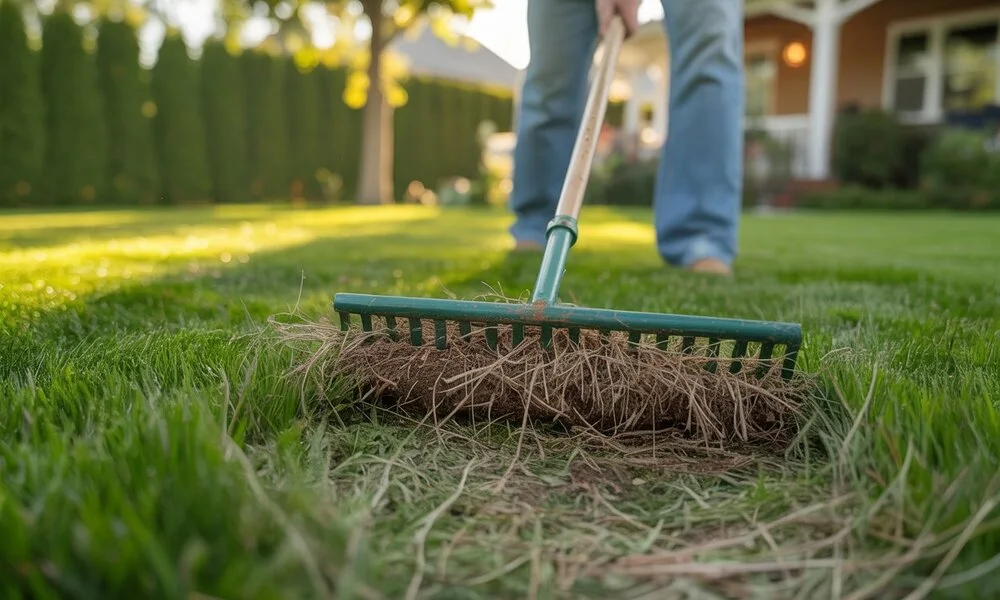
When to dethatch lawn is a common question among homeowners striving for a healthy, lush yard. Lawn care basics include regular mowing, watering, and fertilizing—but one often overlooked practice is lawn dethatching. The accumulation of dead grass, roots, and other debris between the earth and the green grass blades is known as thatch. Although some thatch can be good for a lawn, too much of it can prevent nutrients, air, and water from getting to the roots, making the lawn weak and uneven. Knowing when to dethatch a grass is therefore essential. This guide focuses on the right timing and signs to look for, helping you maintain optimal lawn health through proper dethatching practices.What Is Dethatching a Lawn? Definition of Lawn ThatchThe layer of dead and living organic matter that builds up between the green grass and the soil surface on a lawn is called thatch. This material includes grass clippings, roots, and stems. Excessive thatch growth can strangle your lawn, but a thin covering (less than ½ inch) can help by protecting the soil and preventing water loss.How Thatch Builds Up Over TimeThatch builds up over time when organic material accumulates faster than it can break down. Factors that contribute to this include overwatering, over-fertilizing, compacted soil, and certain grass types like Kentucky bluegrass or creeping fescue. Without regular lawn maintenance, the thatch layer thickens, preventing air, water, and nutrients from reaching the roots.What Is Dethatching the Lawn?Dethatching the lawn is the process of removing that excess layer of thatch to restore lawn health. This can be done using specialized dethatching rakes, power dethatchers, or vertical mowers. Dethatching the lawn promotes better root growth and a greener lawn by improving the soil’s ability to absorb water, nutrients, and oxygen.Differences Between Dethatching and Aerating Though they both improve lawn health, dethatching and aerating are not the same. Dethatching eliminates the lawn’s outermost layer of thatch. In contrast, aerating entails making tiny holes in the soil to promote root development and lessen compaction. In short, dethatching deals with surface buildup, while aeration targets the soil below. Visual Signs Your Lawn May Need Dethatching Look for the following signs that indicate your lawn may benefit from dethatching: A thick, spongy feel underfoot Brown or thinning patches in the grass Water running off the lawn instead of soaking in Difficulty inserting a screwdriver into the soil If you notice these issues, dethatching the lawn may help restore its health and vibrancy. You can read about How Much Is Lawn Care Per Month.Why Dethatching Matters Effects of Excessive Thatch on Lawn HealthOn a grass, too much thatch creates a barrier. The coating may block air, water, and nutrients from getting to the soil and grass roots if it thickens beyond ½ inch. Weak, shallow root systems may result from this, increasing the lawn’s vulnerability to disease, pests, and drought. Additionally, a thick thatch layer can harbor harmful insects and fungi, further damaging the grass.How Dethatching Enhances Air, Water, and Nutrient InfiltrationBy removing this barrier, dethatching the lawn allows vital components to enter the root zone. Now, roots can get the oxygen they require to grow robust and healthy, water can seep deeper into the soil, and fertilizer nutrients can be absorbed more efficiently. A thicker, greener, and more durable lawn is the end result.Risks of Not Dethatching When Needed Ignoring the signs of excessive thatch can lead to several problems: Increased pest infestations: Thatch provides a perfect hiding spot for insects like chinch bugs. Fungal diseases: Thick thatch traps moisture, encouraging mold and lawn diseases. Poor drainage: Water may pool or run off instead of soaking in, causing dry patches or root rot. Stunted growth: Grass will struggle to thrive due to limited access to nutrients and oxygen. By dethatching the lawn at the right time—typically during active growing seasons—you can prevent these issues and keep your yard looking its best.If you need Commercial Lawn Care services in Bay Area you can get the best one by trusting on us.When to Dethatch Lawn Knowing the best time to dethatch grass is key to restoring lawn health without causing unnecessary stress to your turf. Timing depends largely on the type of grass you have and current lawn conditions.Best Time of Year Based on Grass Type Cool-Season Grasses (e.g., Kentucky bluegrass, fescue): The best time to dethatch grass in cooler climates is early spring or early fall. The grass can recuperate swiftly from the stress of lawn dethatching during these times of peak growth. Warm-Season Grasses (e.g., Bermuda, zoysia): The ideal time to dethatch warm-season grass is in late spring or early summer, when the lawn is starting to grow at its fastest rate. Signs It’s Time to DethatchLawn dethatching isn’t needed every year. Look for these telltale signs before deciding: If the thatch layer is more than ½ inch thick, measure the distance between the soil and the green grass. It’s time to take action if it’s more than half an inch. Spongy feeling underfoot: A soft, bouncy texture when walking across the yard usually means excess thatch. Poor water absorption or patchy grass: If water runs off quickly or your lawn looks uneven and thin, dethatching could help. Weather Considerations for Lawn DethatchingFor the best results, schedule lawn dethatching when the soil is moist but not soggy. This facilitates thatch removal without causing harm to good roots. The grass needs time to recover, so avoid dethatching during periods of intense heat, drought, or just before a lot of rain.You should also read about How To Drain Gas From Lawn Mower.How to Dethatch Your Lawn If you’ve identified thatch buildup, it’s time to take action. Dethatching the lawn improves its ability to absorb water, nutrients, and oxygen. Here’s how to do it effectively using the right tools and techniques.Tools You Can UseDepending on the size of your yard and the thickness of the thatch on lawn surfaces, choose from these common dethatching tools: Manual Dethatching Rake: Best for small lawns with light thatch. It

How to Drain Gas From Lawn Mower | Easy Step-by-Step Guide
Landscaping

How To Drain Gas From Lawn Mower

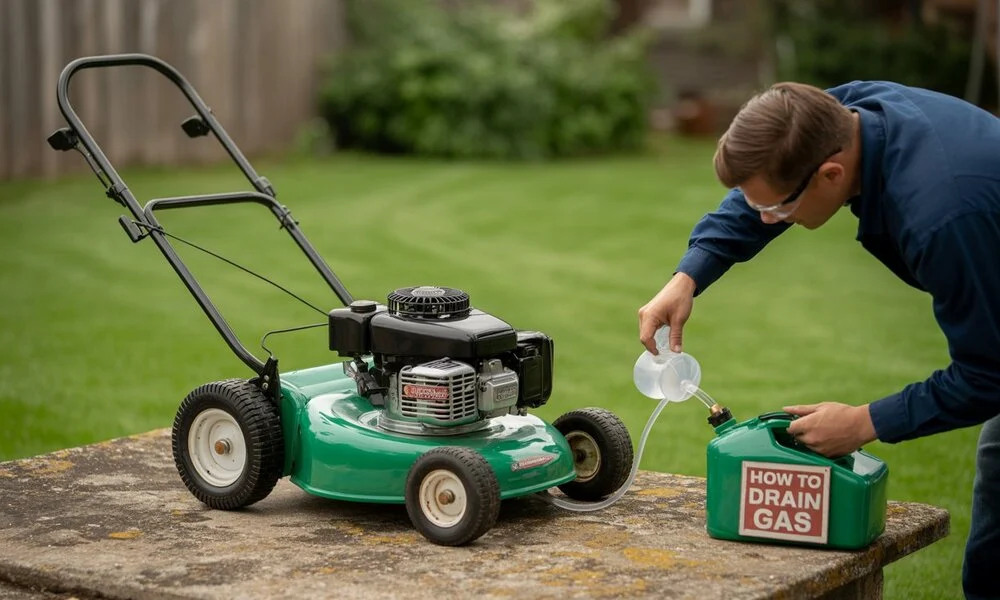
How to drain gas from lawn mower tanks is an essential part of routine maintenance that helps ensure your equipment runs smoothly and lasts longer. Over time, gasoline can become stale and form deposits that clog the engine, making it harder to start and reducing efficiency. Draining lawn mower gas is especially important before winter storage, during seasonal tune-ups, or when the fuel has gone bad. Whether you’re storing your mower for an extended period or performing engine repairs, learning how to properly drain lawn mower gas can save you future headaches. In this guide, we’ll cover the most effective methods for draining lawn mower gas, including how to do it both with and without a siphon pump, so you can choose the best option for your situation.Why is it necessary to empty a lawnmower’s gas tank? Draining gas from a lawn mower is an important maintenance step that helps keep your equipment running efficiently and safely. Here are the main reasons why you should drain gasoline from a lawn mower: Preventing Engine Damage from Stale Fuel Gasoline can degrade over time, becoming stale and less combustible. Running on old fuel can cause your mower’s engine to misfire, run poorly, or even suffer long-term damage. By taking the time to drain gas from your lawn mower, you ensure it only runs on fresh fuel, preserving engine performance. Avoiding Carburetor Clogging Old gasoline tends to leave behind gummy deposits that can clog the carburetor, a vital part of the mower’s fuel system. If you drain gasoline from the lawn mower before storage or after extended use, you reduce the risk of expensive repairs caused by fuel system blockages. Prepping for Seasonal Storage or Transport Before storing your mower for the winter or transporting it, it’s smart to drain gas from the lawn mower to prevent leaks and fumes. This also avoids issues with starting the mower in the next season. Safety and Efficiency Benefits Gasoline is highly flammable. Removing it before maintenance, transport, or storage enhances safety. Plus, running a mower on clean fuel improves fuel efficiency and performance. For landscape construction services in the Bay Area you can contact us.Can Draining Gas From a Lawn Mower Be Dangerous? Yes, while it’s an important maintenance task, draining gas from a lawn mower can be dangerous if not done correctly. Here’s what you need to know to stay safe and protect the environment: Fire Hazards from Fuel Vapors Gasoline is highly flammable, and its vapors can ignite even from small sparks or static electricity. When you drain gasoline from a lawn mower, do so away from open flames, heat sources, or electrical equipment to prevent fire risks. Environmental Risks of Improper Disposal Pouring old gas down drains, onto the ground, or into the trash can cause serious environmental damage. Always drain gas from a lawn mower into an approved container and take it to a hazardous waste disposal site or recycling center. Precautions to Take To shield your skin from fuel exposure, put on gloves. To prevent breathing in dangerous vapors, work in an area with adequate ventilation. Just in case, keep a fire extinguisher close by. Following these precautions helps reduce the risks involved when you drain gasoline from a lawn mower. Safe Fuel Disposal Practices After you drain gas from the lawn mower, store it in a properly labeled fuel-safe container. Don’t mix it with other chemicals. Contact your local waste management service for instructions on safe disposal or recycling. You can also read about How Much Lawn Care Cost.Tools and Materials Needed to Drain Gas From a Lawn Mower Before you drain gas from a lawn mower, it’s important to gather the right tools and safety gear. This ensures the job is done efficiently and safely: Safety Gloves and Goggles Protect your hands and eyes from gasoline splashes and harmful fumes while you drain gasoline from a lawn mower. Gas Can or Fuel Container Use an approved fuel container to collect and store the drained gasoline safely. Never use open or unlabeled containers. Siphon Pump (Optional) A siphon pump makes it easier to drain gas from the lawn mower without tipping it. This tool is especially useful for models without a fuel drain valve. Rags or Absorbent Pads Have these on hand to wipe up spills and prevent gasoline from spreading on the ground or your work surface. Wrench or Screwdriver (for Some Models) Some lawn mowers may require removing the fuel line or opening a drain plug, which means you’ll need basic hand tools like a wrench or screwdriver. How To Drain Gas From a Lawn Mower With a Siphon Pump Using a siphon pump is one of the easiest and cleanest ways to drain lawn mower gas. Positioning the MowerThe mower should be moved to a level, well-ventilated space, ideally outside or within an open-door garage. Make sure the engine is cool before you drain gas from the lawn mower to avoid fire hazards. Setting Up the Siphon PumpPlace the siphon pump’s intake tube into the gas tank of the mower. Place the output tube into an approved fuel container. Make sure both ends are secure to prevent spills while you drain lawn mower gas. Transferring Fuel Into a Container Begin pumping the siphon according to the manufacturer’s instructions. Fuel will start flowing from the mower tank into the container. Continue until the gas tank is mostly empty. This step safely and effectively drains gas from the lawn mower. Running the Engine to Remove Remaining Fuel (Optional) After siphoning, you can start the engine and let it run until it stalls. This burns off any leftover gas in the carburetor, helping prevent clogging and ensuring the mower is fully drained. Cleaning Up and Storing the SiphonThe siphon pump should be cleaned and kept in a dry, clean location. Also, check for and clean up any fuel drips or spills with rags or absorbent pads to complete the process of draining lawn mower gas safely. How To

How to Clean Brick Pavers | Step-by-Step Guide
Uncategorized

How To Clean Brick Pavers | Guide 2025

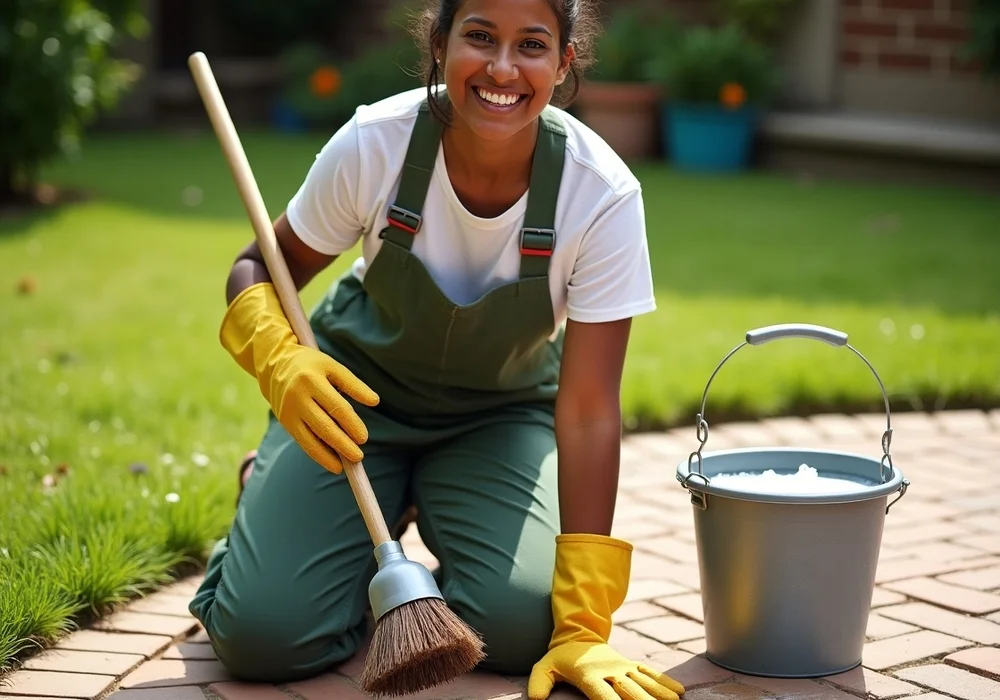
How to clean brick pavers is a question many homeowners face when looking to maintain the beauty and functionality of their outdoor spaces. Keeping brick pavers clean is essential not only for enhancing curb appeal but also for extending the lifespan of the surface and ensuring safety. Over time, dirt, moss, algae, and stains can make pavers slippery and degrade their structure. Regular cleaning prevents these issues, preserving the overall look and integrity of the installation. This guide will walk you through a variety of cleaning methods—ranging from simple DIY techniques to when it’s time to call in professional help—so you can choose the best approach for your needs.Easiest Way to Clean Up Brick Pavers Overview of Simple Methods Using a garden hose to sweep and rinse This is the most basic and non-invasive method: Removes loose debris like leaves, dust, and dirt. The bricks’ original color can be restored with a short rinse. Using Mild Detergent and Water Perfect for moderate grime or light stains: Safe for bricks and nearby plants. Effective on food spills, mud, and mild mildew. Step-by-Step Guide for Basic Cleaning Method 1: Sweeping and RinsingWhat You’ll Need: Stiff-bristle broom Garden hose with spray nozzle Steps: Clear the area: Remove furniture, pots, or décor from the paver surface. Sweep thoroughly: Use the broom to clear away leaves, dust, and debris. Rinse well: Use the garden hose to wash down the surface, directing water toward the edges. Let dry: Before moving furniture in, give the space time to completely dry. Method 2: Mild Detergent Cleaning What You’ll Need: Bucket Mild dish soap or eco-friendly detergent Stiff-bristle brush or push broom Garden hose Steps: Mix the solution: Combine warm water and a few drops of dish soap in a bucket. Apply to surface: Pour or use a sponge to spread the soapy water over the pavers. Scrub lightly: Use the brush or broom to gently scrub any stained or dirty areas. Rinse thoroughly: Wash the soap off with the hose to prevent residue. Air dry: Let the area air-dry before walking or placing objects back. Recommended Tools and Materials Item Purpose Stiff-bristle broom Sweeping dirt and debris Garden hose with nozzle Rinsing surface thoroughly Mild dish soap/detergent Gentle cleaning agent Bucket Mixing cleaning solution Scrub brush or push broom Agitating dirt and light stains You can read about paver installation services in Bay Area.How to Clean Brick Pavers with Baking Soda Why Baking Soda Works Safe: Non-toxic and gentle on brick, grout, pets, and plants. Eco-friendly: Doesn’t contribute to harmful runoff or damage landscaping. Inexpensive: Readily available and budget-friendly. Effective: Great for neutralizing odors, lifting grime, and lightly scouring surfaces.  Ingredients Needed Baking soda (sodium bicarbonate) Water (for making a paste) White vinegar (optional, for tough spots) Stiff-bristle brush or push broom Bucket Garden hose Instructions Method 1: Baking Soda Paste Mix paste: Combine baking soda with a small amount of water to create a thick paste. Apply to stains: Use a brush to spread the paste over stained or dirty paver areas. Scrub gently: Use a stiff brush to work the paste into the surface. Leave it alone: To give the paste time to break down the dirt, let it on for ten to fifteen minutes. Rinse thoroughly: Use a hose to wash off the paste, making sure no residue remains. Method 2: Sprinkle and Scrub Wet the surface: Lightly spray the pavers with water to help baking soda stick. Sprinkle baking soda: Evenly distribute it over the damp pavers. Scrub: Use a stiff brush or broom to scrub in circular motions. (Optional) Add vinegar: For extra cleaning power, spray white vinegar over the baking soda and let it fizz for a few minutes before scrubbing. Rinse: Hose down the area well. Best Use Cases Mild stains (e.g., food, drink, or mud) General maintenance cleaning Deodorizing outdoor living spaces Safe cleanup around plants, kids, or pets You can also read about How To Remove Oil Stains From Pavers.How to Clean Brick Pavers Without a Pressure Washer Why Skip the Pressure Washer? Avoid Damage: High-pressure jets can erode joint sand, chip bricks, or force water under pavers. Lower Cost: No need to rent or buy equipment. Better Control: Manual cleaning is gentler and allows more precision. Accessibility: Great for those without outdoor power sources or hose hookups. Alternative Tools You’ll Need Tool Purpose Hard-bristle broom Loosen dirt and debris Garden hose with spray nozzle Rinse dirt and residue Bucket Hold cleaning solution Scrub brush (hand or deck) Deep clean tough stains Mild detergent or baking soda Safe cleaning agent Step-by-Step Method for Deep Cleaning 1. Clear the Area Remove furniture, pots, and debris from the pavers. To get rid of any loose dirt or leaves, sweep the area thoroughly with the broom. 2. Prepare Cleaning Solution Fill a bucket with warm water. Add a few drops of mild dish soap, or stir in baking soda for a natural option. Optional: For tougher grime, add 1 part white vinegar to 3 parts water (do not use vinegar on sealed pavers). 3. Apply and Scrub Pour or sponge the cleaning solution onto the pavers. Use the scrub brush to clean one section at a time, scrubbing in circular motions to lift dirt and stains. 4. Rinse Thoroughly Use the garden hose to rinse each section well. A spray nozzle on “jet” or “shower” mode helps remove residue effectively. 5. Let Dry and Inspect Allow pavers to dry completely. Inspect for remaining stains—spot treat any missed areas using the same method. Pro Tips Clean on a dry day to allow quick drying. For moss or algae: Use a vinegar solution or moss-specific cleaner and a stiff brush. Reseal pavers after cleaning to protect them from future stains and erosion (every 2–3 years). Dealing with Tough Stains and Weeds on Brick Pavers Common paver issues include moss, algae, oil stains, and persistent weed growth. These not only affect appearance but can also make pavers slippery and unsafe if left untreated.Moss and

How to Get Rid of Ants in Lawn Without Killing Grass
Uncategorized

How To Get Rid Of Ants In Lawn

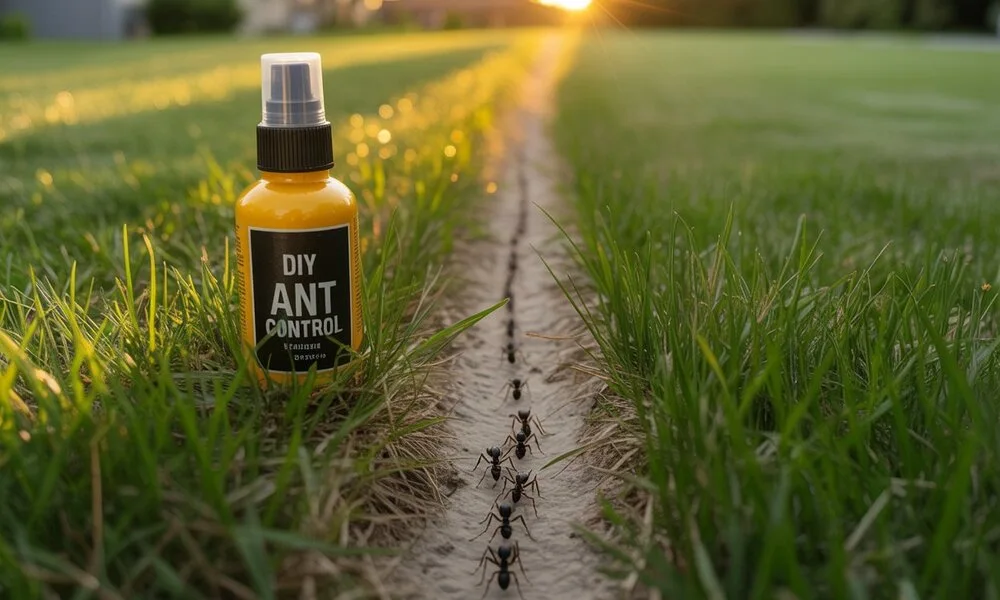
How to Remove Ant Mounds from a Lawn areas is a common concern for homeowners dealing with persistent pests. Ants in grass can cause unsightly mounds, disrupt root systems, and even encourage the presence of other pests like aphids. While these tiny insects may seem harmless at first, unchecked colonies can lead to bigger problems, especially when they begin spreading throughout the yard. Killing ants in your lawn effectively, without harming the environment, pets, or children, is essential. Fortunately, there are several natural and lawn-safe solutions that can help manage infestations. Addressing ant problems early helps preserve your lawn’s health and ensures a safe, enjoyable outdoor space for your family.Why Ants Invade Lawns Seeing ants in my lawn or noticing small mounds of ants in grass is a common issue for many homeowners. While ants are part of a healthy ecosystem, too many can cause problems. Here’s a quick look at why ants invade lawns, their benefits and drawbacks, and common species found in turfgrass.Why Ants Invade YardsAnts are drawn to: Moisture and shelter: Lawns offer a protected, damp environment. Food sources: They feed on seeds, dead insects, or aphid honeydew. Disturbed or bare soil: Ants move in when turf is weak or patchy. Pros and Cons of Ants in Lawns Benefits: Improve soil aeration and drainage. Help control pests and decompose organic matter. Drawbacks: Ant mounds can interfere with mowing and harm lawn. Some species sting or bite. They may protect pests like aphids. Common Types of Ants in Turfgrass Field ants: Build visible mounds, often confused with fire ants. Fire ants: Aggressive and sting; form large mounds. Pavement ants: Nest near driveways, may spread into grass. Lawn ants (Lasius): Small mounds, common in turf areas. While not all ants in grass are harmful, too many can damage your lawn. Identifying the type and extent of the infestation helps decide whether natural methods or pest control are needed.Let me know if you’d like tips on how to manage ants naturally or with treatments!You can read about How To Get Rid Of Clover In Lawn.How to Deal with an Ant Hill If you’ve discovered an ants nest in lawn areas, taking the right steps is key to safe and effective removal. Large mounds of ants can damage turf and become an annoyance, while tiny populations of ants can be beneficial to your yard. Here’s a step-by-step guide to kill ants in lawn areas and safely disturb or remove their nests.Tools You’ll NeedTo get started, gather the following: Shovel or spade Rake Boiling water (or vinegar solution) Garden gloves Bucket (optional, for water or ant bait) Insecticidal soap or ant killer (optional) Step-by-Step Removal Guide Identify the Ant Hill Locate the mound and note its size and number. If it’s a large ants nest in lawn, you may need repeated treatment. Loosen the Soil Use a shovel or rake to gently disturb the mound. This exposes the colony and begins to break up tunnels. Apply Boiling Water Pour boiling water directly into the hill. Ants in lawns can be eliminated naturally and chemical-free using this procedure. For added effect, use a small amount of dish soap. Repeat if Needed Larger nests may require several treatments. For stubborn colonies, consider using an ant-specific pesticide or bait. Level and Reseed Once the hill is destroyed, level the area with a rake. Add grass seed if the turf was damaged. Best Times for Ant Hill Removal Early Morning or Late Evening: Ants are less active and closer to the nest. Spring and Early Summer: Colonies are still small and easier to manage. After Rain: Wet soil is easier to dig and ants are more exposed. You can also read about How Much Is Lawn Care Per Month.How to Get Rid of Ant Mounds in Lawn Ant mounds in grass areas can be annoying to deal with. In addition to detracting from the aesthetics of your yard, these mounds can harm grass and make mowing more challenging. Understanding the difference between mounds and hills, how to eliminate them, and how to stop them from coming back is key.Mounds vs. Hills: What’s the Difference?The terms ant mounds and ant hills are often used interchangeably. Technically: Ant hills refer to the visible soil above a nest. Ant mounds can include both the soil and the underground network. Both signal an ants nest in lawn areas that needs attention.Effective Methods to Eliminate Mounds Boiling Water Treatment Pour boiling water directly into the mound to kill ants in lawn areas naturally. Repeat as needed. Diatomaceous Earth Sprinkle food-grade diatomaceous earth around the mound. It dehydrates ants and is safe for pets. Ant Baits and Pesticides Place slow-acting ant baits near the mound. These allow worker ants to carry poison back to the colony. Shovel and Flatten After treatment, use a shovel to break apart the mound. Rake the area smooth and reseed if necessary. How to Prevent Reformation of Mounds Keep Lawn Dry: Avoid overwatering, as ants prefer moist soil. Regular Lawn Maintenance: Mow and dethatch to reduce nesting areas. Seal Entry Points: If ants migrate toward your home, seal cracks in the foundation. Treat Surrounding Areas: Control nearby colonies to stop ants from relocating. If you’re constantly spotting ant mounds in lawn spaces, it may indicate deeper soil or pest problems.How to Get Rid of Ants in Lawn Without Killing Grass Seeing ants in my lawn doesn’t always mean your grass is at risk, but aggressive treatment methods can harm your turf. Here’s how to kill ants in lawn areas effectively while keeping your grass healthy.Lawn-Friendly Treatments Diatomaceous Earth This natural powder damages ants’ exoskeletons without harming plants. Sprinkle around ants nest in lawn areas. Beneficial Nematodes These microscopic organisms attack ant larvae underground. Safe for pets, people, and grass. Vinegar and Water Spray Mix equal parts white vinegar and water. Spray directly into the ants nest in lawn, avoiding excess use to prevent soil acidity. Organic & Chemical-Free Ant Control Cornmeal: Ants eat it but can’t

How to Get Rid of Clover in Lawn Without Chemicals
Uncategorized

How To Get Rid Of Clover In Lawn

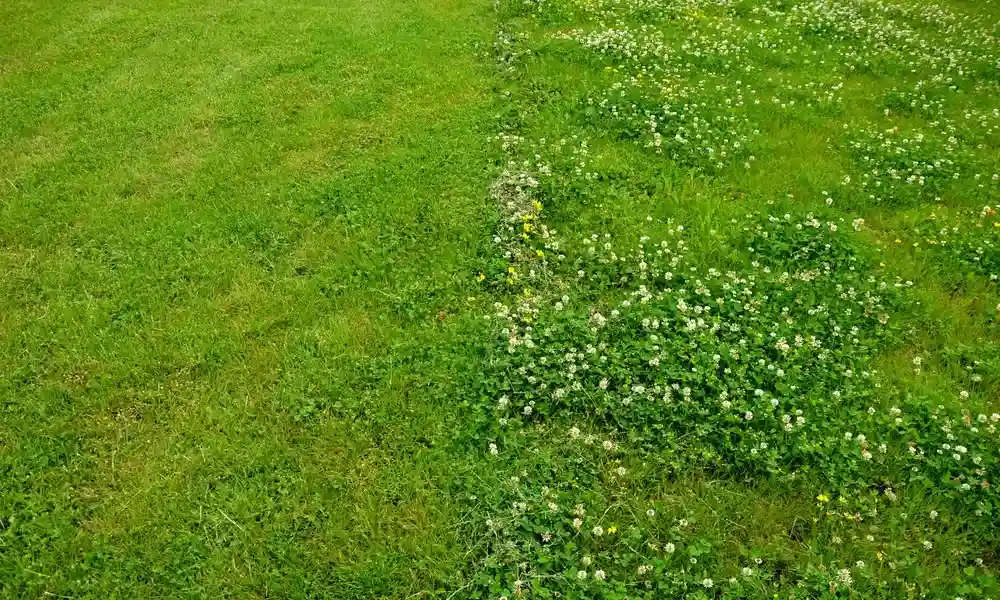
How to get rid of clover in lawn is a common concern for homeowners striving to maintain a lush, uniform yard. While clover may have some ecological benefits, its presence can disrupt the appearance of a well-manicured lawn, creating patches that contrast sharply with the surrounding grass. Many people find that once clover takes hold, it spreads quickly and competes with grass for nutrients and space, ultimately weakening the overall turf. That’s why understanding how to kill clover in lawn is essential for effective lawn care. This guide is designed to help you with clover in grass removal using proven strategies, offering both natural and chemical solutions to restore and preserve a healthy, green lawn.How to Identify Clover in Your Lawn Clover is a common sight in many lawns, often blending into the grass until its distinctive leaves or flowers give it away. Before exploring methods of getting rid of clover in your lawn, it’s essential to correctly identify the plant. Here’s how to spot it and distinguish between the most common types.Common Types of Clover 1. White Clover (Trifolium repens) Leaves: Three oval leaflets, often with a pale crescent or watermark across the middle. Flowers: Small, white, ball-shaped flower heads, sometimes tinged with pink. Growth Pattern: Low-growing and spreads by creeping stems (stolons). Prevalence: Most common clover found in North American lawns. 2. Red Clover (Trifolium pratense) Leaves: Larger than white clover, with fine hairs and the same watermark. Flowers: Rosy-pink to purple flower heads, round and dense. Growth Pattern: Upright, bushier growth habit. Location: More common in meadows and less-manicured areas but can invade lawns. 3. Lesser Trefoil (Trifolium dubium) Leaves: Tiny leaflets, also in threes, usually more rounded. Flowers: Small yellow flowers. Growth Pattern: Low-growing and mat-forming. Visual Characteristics of CloverTo effectively begin killing clover in your lawn, here’s what to look for: Leaf Shape: Clover typically has trifoliate leaves (three small leaflets). Color Markings: Each leaflet of white clover frequently has a white chevron mark on it. Growth Form: Grows in patches, creeping along the ground. Flowers: Rounded heads made up of dozens of tiny You can also read about commercial Lawn Care services in Bay Area.Why Do I Have So Much Clover in My Lawn? Noticing patches of clover taking over your lawn? You’re not alone. While some gardeners appreciate clover for its nitrogen-fixing properties and pollinator-friendly flowers, most homeowners see it as a weed that competes with grass. If you’re wondering why clover seems to thrive in your yard, understanding the conditions it favors is the first step before attempting clover in grass removal or planning to kill clover in lawn areas.Common Reasons Clover Thrives in Lawns 1. Low Nitrogen Levels in SoilClover can thrive where your grass struggles—especially in nitrogen-poor soil. Unlike most turf grasses, clover is a nitrogen-fixing plant, meaning it pulls nitrogen from the air and stores it in the soil. This gives it a natural advantage in under-fertilized lawns.Solution: Apply a balanced lawn fertilizer that contains nitrogen. This not only supports your grass but makes conditions less favorable for clover.2. Compacted or Poor-Quality SoilClover roots are more tolerant of poor or compacted soils than grass. If your soil is clay-heavy or lacks organic matter, clover may begin to dominate.Solution: Aerate your lawn annually and add compost or soil amendments to improve structure and drainage.3. Mowing Height Too LowCutting your grass too short (also known as scalping) weakens it and allows sunlight to reach clover seedlings, encouraging their growth.Solution: Make sure your mower is at least three inches tall. Taller grass shades the soil, making it harder for clover to take hold.4. Too Much Sunlight or ShadeClover is highly adaptable. It can grow well in full sun and even in partial shade where grass may thin out. If your lawn has uneven light exposure, clover might gain an upper hand.Solution: Choose shade-tolerant grass species for darker areas and ensure healthy growth across your lawn to reduce clover competition.Clover as a Sign of Underlying Lawn ProblemsIf clover is spreading across your lawn, it’s more than just a nuisance—it’s a symptom of a larger problem. Here’s what your clover infestation might be telling you: Soil health issues like low fertility or compaction Inconsistent lawn care, such as infrequent fertilizing or watering Weak grass coverage, due to improper mowing or poor seed selection In this context, attempts to kill clover in lawn without addressing the root causes may offer only temporary results. A healthy, well-maintained lawn is your best long-term strategy for clover in grass removal.How to Get Rid of Clover in Lawn If left unchecked, the common weed clover can take over your yard. Whether you’re facing a few patches or a full lawn invasion, knowing how to get rid of clover in lawn areas is key to keeping your grass healthy. Here’s a quick guide to the best methods for clover in grass removal, from manual to natural and chemical options.Why Method MattersChoosing the right method to kill clover in lawn areas depends on your lawn’s condition and your preference for natural or chemical solutions. The wrong approach can harm your grass or the environment.Manual Removal Hand Pulling: Best after rain when the soil is soft. Weeding Tools: Helps remove roots to prevent regrowth. Pros: Eco-friendly, no chemicalsCons: Time-consuming, not ideal for large areasNatural Methods Smothering: Cover clover with a tarp or mulch to block sunlight. Corn Gluten Meal: Supplies nitrogen and stops clover seeds from growing. Fertilizing: Increase the nutrients in your lawn because clover grows best in low-nitrogen soil. Pros: Safe for pets and kids, improves soilCons: Slower results, may need repeat useChemical Options Selective Herbicides: Use products with 2,4-D, dicamba, or MCPP that target broadleaf weeds. Spot Treatments: Spray directly on clover patches. Weed & Feed: Combines fertilizer and weed killer. Pros: Fast and effectiveCons: Must be applied carefully to avoid harming grassPrevent Future Clover Growth Mow your lawn higher to shade out clover. Fertilize regularly with nitrogen-rich products. Aerate and overseed each year for a thicker, healthier

How Do You Level Ground for Pavers Step by Step
Uncategorized

How Do You Level Ground For Pavers

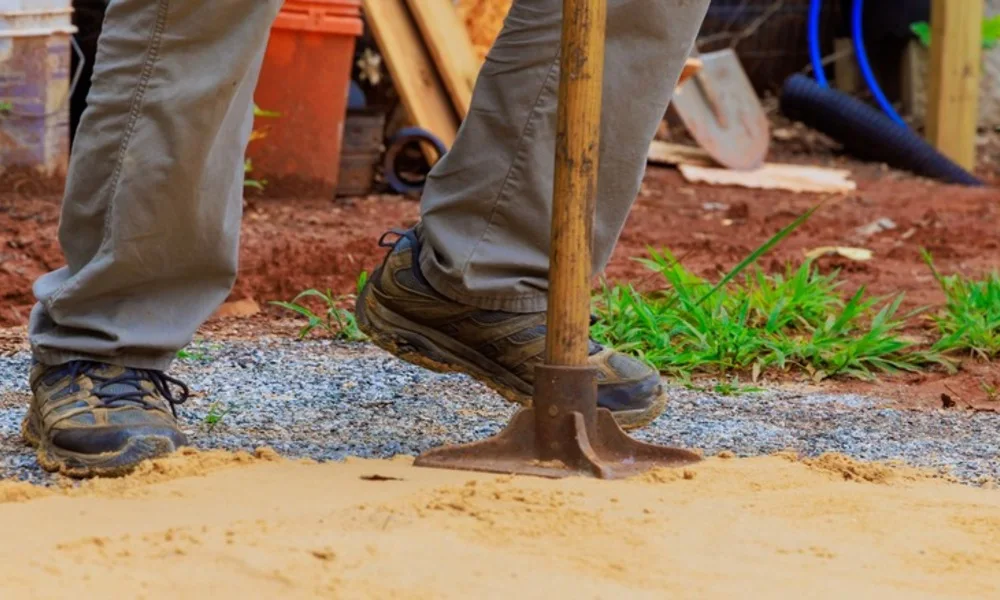
How do you level ground for pavers is a crucial question that marks the beginning of any successful paver installation project. Proper ground preparation ensures the longevity, stability, and aesthetic appeal of your paved surface—whether it’s a patio, walkway, or driveway. Without a well-leveled and compacted base, pavers can shift, sink, or crack over time, leading to costly repairs. In this guide, you’ll learn a step-by-step process for leveling the ground, the essential tools you’ll need, expert tips to make the job smoother, and advice on when it’s best to call in a professional. Whether you’re a DIY enthusiast or exploring your options, this overview will help you start your project on solid ground.Why Leveling Ground is Crucial for Paver Projects Creating a level ground for paver installation is one of the most important steps in any paving project. Here’s why this foundational step is critical: Preventing Uneven Surfaces and Tripping Hazards Without a properly level ground for paver placement, the surface can become uneven, creating dangerous tripping hazards. A flat base ensures each paver sits securely and uniformly, reducing the risk of accidents. Ensuring Long-Term Durability and Stability A well-leveled base provides a solid foundation that supports the weight of the pavers and anything above them—be it foot traffic, furniture, or vehicles. Skipping this step can lead to shifting, cracking, or sinking over time. Avoiding Water Drainage Issues and Future Maintenance Costs Poor leveling can lead to water pooling or improper drainage, which erodes the base and damages the pavers. By establishing a level ground for paver installation, you help guide water away from the surface and prevent costly repairs. Boosting the Aesthetic Appeal of the Finished Area A perfectly flat and even surface greatly enhances the visual appeal of patios, walkways, or driveways. A level ground for paver layout allows for clean lines and a polished, professional look that lasts. Equipment and Supplies Needed for Paver Installation on a Level Surface Before you begin preparing a level ground for paver projects, make sure you have the right tools and materials on hand. Proper preparation ensures efficiency, safety, and professional results.Basic Tools Shovel – For digging out the area and removing excess soil. Rake – Assists in uniformly spreading and leveling the base materials. Tamper – Essential for compacting soil and gravel layers manually. Level – Ensures the ground is flat and properly sloped for drainage. Measuring Tape – For accurate measurements of the area. String Line – Helps you maintain alignment and ground level. Optional Tools Plate Compactor – A powered tool that makes compacting base material faster and more effective than manual tamping. Tiller – Helpful for breaking up tough soil and loosening the ground before leveling. A tiller can significantly speed up the process, especially on larger or compacted areas. Safety Gear Gloves – Keep your hands safe from rough materials, sharp objects, and blisters. Goggles – Shield your eyes from dust, debris, and flying particles. Work Boots – Provide foot protection and stability on uneven terrain. You can read about paver installation service in Bay area.How Do You Level Ground for Pavers in Easy Steps Creating a stable and long-lasting paver surface starts with learning how to properly level ground for pavers. Follow these easy steps to ensure your project is both durable and attractive:Step 1: Plan and Mark the AreaStart by outlining the space where you’ll lay the pavers. Use stakes and string to define the perimeter clearly. Measure the area carefully. Determine the slope needed for water drainage—typically a 1-inch drop for every 4 feet of length helps prevent pooling. Step 2: Clear the AreaTo level ground for pavers, you must first remove all grass, rocks, debris, and topsoil to the desired depth. This creates a clean slate for layering and leveling the base.Step 3: Is It Possible to Level Ground for Pavers Using a Tiller?Yes—using a tiller can be a smart move if the soil is compacted or uneven. A tiller breaks up hard ground and mixes soil for a more uniform surface. Use it in passes, keeping control of depth and direction. However, skip the tiller if the soil is already loose and easy to grade. Over-tilling can make compaction harder later on. Step 4: Level and Grade the SoilCheck the surface often with a level and a string line. Make small adjustments by adding or removing soil as needed. Ensure the slope is consistent to allow for proper drainage and avoid water damage under the pavers. Step 5: Compact the SoilOnce you’ve roughly leveled the soil, it’s time to compact. Use a hand tamper for small areas or a plate compactor for larger jobs. Compact in layers (about 2–3 inches at a time) to build a firm base that won’t shift over time. Step 6: Add and Level the Base MaterialLay down a layer of gravel or crushed stone—this forms the load-bearing foundation. Spread the material evenly, keeping the slope intact. Compact it thoroughly to prevent settling later on. Step 7: Screed the Sand LayerFinish by adding a 1-inch layer of bedding sand. Use a screed board (or a straight piece of wood) to make the surface perfectly level. This step ensures the pavers sit flat and even once installed. You should read about How To Remove Oil Stains From Pavers.When to Call Professionals to Level Ground for Pavers While smaller paver projects can be a satisfying DIY task, there are situations where calling in the pros is not only smart—it’s essential. At Lakota Design Group, we specialize in making sure your foundation is flawless, safe, and built to last.Large or Complex ProjectsIf your project involves a long driveway, steep slopes, or a large patio, the precision needed to level ground for pavers properly increases dramatically. Professional equipment and expertise can save you time and prevent costly mistakes.Soil Issues or Poor DrainageUnstable or clay-heavy soil? Existing drainage problems? These challenges require experience and technical know-how to address effectively. We analyze and correct these issues to ensure long-term stability.Lack of

Our Client's Reviews

Copyright © 2025 | Localpro1 | All Rights Reserved.

English