Author name: admin

How Much Does Landscape Design Cost | Pricing Guide 2025
Landscaping

How Much Does Landscape Design Cost?

How much does landscape design cost? This is one of the first questions homeowners and property managers ask when planning to enhance their outdoor spaces. Landscape design is the process of planning and creating functional, aesthetically pleasing outdoor environments ranging from garden layouts to full-scale yard transformations. Budgeting and making wise judgments require an upfront understanding of landscape design fees. Whether you’re installing artificial turf, lighting, or softscape elements, knowing the cost of a landscape designer helps set realistic expectations and ensures your vision aligns with your financial plan.Average Costs of Landscape Design For businesses and households contemplating an outdoor project, knowing the average landscape design expenses is crucial. Whether you’re creating a backyard retreat or enhancing a commercial property, it’s helpful to know what influences landscape design pricing and what to expect financially.National Average Cost BreakdownThe landscape design cost in the U.S. generally ranges between $2,000 and $7,000, depending on project size, complexity, and location. However, simpler design consultations may cost as low as $500, while high-end, custom master plans for large properties can exceed $15,000.Cost Per Square Foot vs. Flat-Rate PricingSome designers base their fees on square footage; for design-only services, this usually ranges from $1 to $5 per square foot. This method works well for new builds or large-scale redesigns. Alternatively, many professionals offer flat-rate pricing, especially for smaller or clearly defined projects. A basic plan may cost $500, while more elaborate, full-service plans may cost $5,000 or more.Residential vs. Commercial Landscape DesignThere’s a noticeable difference in landscape design pricing between residential and commercial projects. Residential landscape design usually has a lower overall cost, tailored to personal preferences and yard size. Commercial projects, on the other hand, often require compliance with municipal codes, large-scale planning, and integration with building architecture raising the landscape design cost significantly. These designs may start at $10,000 and climb much higher based on project scope. How Much Does Landscape Design Cost in San Jose When planning a landscape project in the Bay Area, one of the most common questions is, “How much does landscape design cost in San Jose?” While national averages provide a general baseline, local factors heavily influence actual landscape design charges in this region.Regional Pricing Trends in San Jose and the Bay AreaIn San Jose, landscape design pricing typically ranges from $3,000 to $10,000+, depending on project size, design complexity, and customization needs. Compared to other parts of the country, the Bay Area’s pricing tends to be higher due to elevated living costs, competitive markets, and stricter building standards. Simple concept plans may start around $1,500, while detailed master plans with planting layouts, lighting, irrigation, and 3D renderings may reach $12,000 or more.Impact of Local Materials, Labor, and Permits Materials: The availability and sourcing of regional, drought-tolerant plants or sustainable hardscapes can affect total landscape design charges. Locally-sourced materials may lower delivery costs but still carry premium pricing. Labor Costs: San Jose has some of the highest labor rates in California, directly impacting landscape design pricing especially when installation services are bundled with design. Permitting: Depending on your project scope, permit fees and city regulations may add extra cost. Designs requiring grading, drainage plans, or compliance with HOA rules increase planning time and cost. For best landscape design services in San Jose contact Lakota Design Group. Other Factors That Affect Landscape Design Cost While base pricing gives a general estimate, several underlying elements can significantly influence the final landscape design cost. From property specifics to design preferences, these factors determine the scope, effort, and budget required to bring your outdoor vision to life.1. Size and Complexity of the ProjectLarger properties or those requiring detailed layouts typically come with higher landscape design charges. While a multi-zone estate with unique planting, grading, and structures requires substantial planning, a modest garden or front yard layout may simply require basic sketches. More complexity also means longer design timelines and increased coordination with contractors or city inspectors.2. Design Features and Add-OnsThe cost of your landscape design might rise rapidly with the addition of specialist features: Electrical layout planning is necessary for landscape lighting for both safety and aesthetic reasons. Artificial turf installation involves selecting the right product and accounting for drainage layers. Hardscapes such as fire pits, seating walls, and water features require engineering input. Irrigation systems must be zoned for plant types and water conservation compliance. Each of these elements adds layers to the design process, contributing to overall cost. 3. Site Conditions and AccessibilityDifficult access to your property, steep slopes, compacted soil, or poor drainage can affect both design feasibility and construction strategy. These site-specific challenges often require additional surveying, soil tests, or consultations with structural engineers leading to increased landscape design charges.4. Revisions and Design IterationsMost designers include 1–2 revision rounds in the initial landscape design cost, but further changes especially after a concept has been finalized can add time and fees. The more revisions requested, the more the cost increases. Having open lines of communication from the beginning keeps your project on schedule and within budget.Why Choose Lakota Design Group When it comes to creating outdoor spaces that are both beautiful and functional, Lakota Design Group stands out as a trusted name in the San Jose and Bay Area landscape design industry. With over 49 years of experience, we bring unmatched expertise, creativity, and local knowledge to every project.1. Deep Roots in San Jose and the Bay AreaWith nearly five decades of hands-on experience, we understand the region’s unique climate, soil conditions, permitting requirements, and architectural styles. Our long-standing presence has made us a reliable partner for homeowners and businesses seeking expert landscape design in San Jose and surrounding communities.2. Custom, Client-Centered Design ProcessEvery property is different, and so are our clients’ needs. That’s why we take a personalized approach to each project. From the first consultation to the final design, we tailor our work to reflect your goals, lifestyle, and budget delivering outdoor spaces that are functional, sustainable, and stunning.3. Transparent Pricing and Professional Project ManagementWe believe great
Can Dogs Pee on Artificial Turf Safely? Find Out Here
Uncategorized

Can Dogs Pee On Artificial Turf​

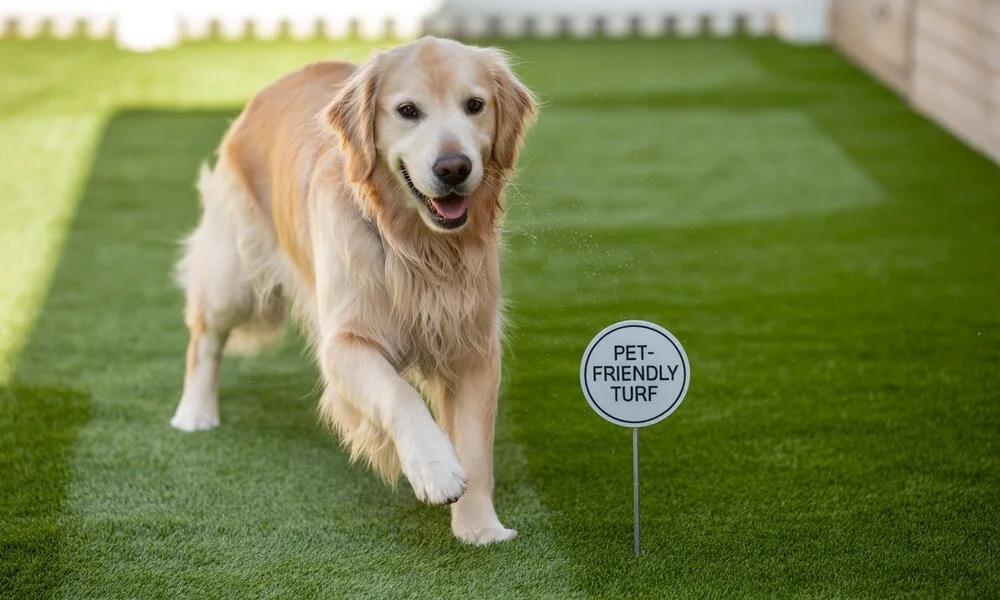
Can Dogs Pee on Artificial Turf? Absolutely artificial turf is designed to handle pet use, including dog urine. Many pet owners wonder if synthetic turf and dogs are a good match, especially when it comes to bathroom habits. The good news is, fake grass for dogs to pee on outside offers a convenient and durable solution that mimics real grass without the mess. With proper maintenance and the right drainage features, artificial turf stays clean, odor-free, and pet-friendly, making it a smart choice for dog-friendly outdoor spaces.Can Dogs Pee on Artificial Turf? Yes, dogs can safely pee on artificial turf and it’s one of the main reasons pet owners choose synthetic lawns.Why Pet Owners WorryThe idea of artificial turf and dog urine raises valid concerns. Unlike natural grass, turf doesn’t absorb liquids into soil. Pet owners often fear lingering odors, hygiene issues, and long-term damage. However, modern synthetic turf is designed with pets in mind, especially when it comes to drainage and odor control.What Happens When Dogs Pee on Turf?When a dog urinates on fake grass, the liquid flows through the turf layer and into the drainage base below. Quality pet turf systems are built with perforated backing and proper sub-layers to quickly move urine away from the surface. This prevents pooling and reduces the risk of odor buildup.Maintenance Is KeyTo keep your yard clean and odor-free: Rinse the turf regularly with a hose. Use turf-friendly enzyme cleaners to break down bacteria from dog urine. In high-traffic areas, brush the lawn occasionally to avoid matting.  Without regular maintenance, even dog urine on artificial turf can lead to unpleasant smells, especially in warmer climates or shaded areas with less airflow.Choosing the Right Turf for DogsIf your pets regularly use your yard, invest in pet-safe fake grass. Look for features like: Antimicrobial backing Excellent drainage (at least 30 inches per hour) Odor-neutralizing infill (like zeolite or silica sand) Soft but durable fibers that can handle wear and tear High-quality artificial turf and dog urine compatibility ensures the surface won’t discolor, degrade, or trap harmful bacteria.Is It Worth It for Pet Owners?Absolutely. Synthetic turf eliminates muddy paws, brown urine spots, and the hassle of lawn repair. Plus, it’s always green and usable rain or shine. Many pet owners find that switching to fake grass and dog urine-resistant systems makes outdoor time easier and more enjoyable.You may read about How Much Does Artificial Turf Cost?Is It OK for Dogs to Pee on Artificial Grass? Yes, it is absolutely OK for dogs to pee on artificial grass. In fact, synthetic turf and dogs go hand-in-hand when it comes to creating a durable, pet-friendly outdoor space.Designed for Pet UseHigh-quality fake grass for dogs to pee on outside is specifically engineered to handle pet urine. It features built-in drainage systems that allow liquids to pass through quickly, preventing pooling and reducing odor buildup. Many turf products also include antimicrobial backing and infills to fight bacteria and keep your yard sanitary.Better Than Natural GrassArtificial turf offers a number of benefits over real grass.  No yellow spots or urine burns—synthetic blades don’t discolor. No muddy patches—rain or urine won’t turn your lawn into a mess. Easier to clean—just rinse and use a pet-safe enzyme cleaner when needed. This makes synthetic turf and dogs a perfect match for homeowners who want a clean, green lawn year-round.Potential Downsides Without MaintenanceWhile fake grass for dogs to pee on outside is low-maintenance, it still requires basic care. If not rinsed regularly: Urine odors may build up over time. Bacteria can develop beneath the surface. Drainage efficiency might decrease, especially in shaded or compacted areas. To avoid these issues, clean the turf weekly and consider using turf deodorizers or odor-neutralizing infill like zeolite. For Turf installation service in San Jose contact Lakota Design Group.How to Manage Dog Urine on Artificial Grass It doesn’t have to be hard to deal with dog poop and fake grass. You can maintain your turf looking fantastic, odor-free, and fresh all year long with the correct routine and products.Here’s a detailed guide to properly handling dog poop and artificial turf:1. Daily RinsingWhy it matters: Regular rinsing flushes out fresh urine before it can cause odors or buildup.What to do: Make use of a spray nozzle on a garden hose. Rinse the areas where your dog urinates daily (or at least every other day in cooler climates). Focus on high-traffic zones or areas where your dog frequently pees. 2. Weekly Enzymatic CleaningWhy it matters: Enzyme-based cleaners break down the organic components in dog urine that cause odor and bacteria growth.What to do: Apply an enzymatic cleanser that is suitable for pets to the afflicted regions. Let it sit for 5–10 minutes as per product instructions. Rinse lightly with water to get rid of any residue. Recommended tools/products: Enzyme cleaners (like Simple Green Outdoor Odor Eliminator) Turf sprayers or garden pump sprayers for even application 3. Monthly Deep CleanWhy it matters: Deep cleaning helps eliminate trapped odors and debris that regular rinsing can miss, especially in areas with heavy use.What to do: Rinse the turf thoroughly with water. Apply an enzymatic cleaner over the entire surface. Use a turf brush to scrub fibers and loosen any buildup. Rinse once more to make sure the cleanser and particles are completely removed. Tools you’ll need: Hard-bristle turf brush Garden hose with strong water pressure To revive the scent, use zeolite infill or pet turf deodorizer. 4. Drainage ConsiderationsWhy it matters: Efficient drainage prevents standing urine and helps eliminate odor naturally.Tips for better drainage: Make sure your turf has a perforated backing and a properly graded base. Avoid compacted areas where water and urine can pool. If installing new turf, choose pet-friendly systems designed for high-drainage performance. Best Artificial Grass for Dogs to Pee On  Choosing the best artificial grass for dogs to pee on is essential for keeping your outdoor space clean, safe, and odor-free. Not all turf is made the same especially when it comes to handling dog urine on synthetic

How to Clean Landscape Rocks | Easy DIY Guide
Landscaping

How To Clean Landscape Rocks​

How to clean landscape rocks is essential knowledge for anyone maintaining a neat and attractive outdoor space. Over time, rocks gather dirt, algae, fallen leaves, and even mold, making your garden look untidy. Regularly cleaning garden rocks not only boosts curb appeal but also helps maintain a healthier environment for plants. Whether you’re working with decorative pebbles, white landscape rocks, or large landscaping rocks, each type needs a tailored approach. Smaller rocks may need rinsing and sifting, while larger ones might require pressure washing. When you clean landscaping rocks properly, you restore their natural color and texture, giving your yard a refreshed look. This simple task adds lasting beauty and value to your landscape.Tools & Materials Needed for Cleaning Landscaping Rocks When it comes to garden stone cleaning, having the right tools makes the job easier and more effective. Here’s a list of essential items you’ll need to clean rocks properly: Garden hose or pressure washer – A regular garden hose is great for rinsing off dirt and debris. A pressure washer can be used for deep cleaning, especially on stubborn grime. Rake or shovel – Use a rake or shovel to gather the rocks or remove large debris like leaves and twigs. Wheelbarrow or bucket – These help in moving rocks around easily, especially if you need to clean them in a separate area. Mild detergent or vinegar solution – A gentle cleaner helps loosen dirt without damaging the rocks. Vinegar is also effective for natural garden stone cleaning. Stiff-bristled brush – Ideal for scrubbing off moss, mold, or stuck-on dirt during the process to clean rocks thoroughly. Safety gloves and protective eyewear – Wear safety glasses and gloves at all times to shield your hands and eyes from flying debris and chemicals. Optional tools: Bleach (use carefully, especially on white landscape rocks) for whitening and sanitizing. Sieve or screen for separating smaller particles like soil from the rocks. These supplies and equipment guarantee that your garden pebbles remain durable, clean, and appealing.Step-by-Step: How to Clean Landscape Rocks Cleaning garden rocks doesn’t have to be complicated. Follow these simple steps to clean landscaping rocks and keep your outdoor space looking fresh and well-maintained.Step 1: Remove DebrisStart by using a rake or leaf blower to clear away leaves, twigs, and any surface debris. This prepares the area for a more thorough wash and makes the cleaning garden rocks process much easier.Step 2: Wash the RocksSpray the rocks using a garden hose or pressure washer to remove loose dirt and dust. For deeper stains or grime, soak the rocks in a vinegar and water solution. This natural method is safe and effective for most types of landscape rocks.Step 3: Scrub and RinseUse a stiff-bristled brush with mild detergent or vinegar solution to scrub tough spots. This is especially helpful when you need to clean landscaping rocks covered with algae, mold, or mineral buildup. Rinse well with fresh water after scrubbing to get rid of any remaining cleaner.Step 4: Dry and RepositionAllow the rocks to dry fully in the sun before placing them back in the landscape. This prevents moisture buildup underneath, which can lead to mold or mildew. Once dry, reposition the rocks for a refreshed and tidy look.You may read about Landscaping with Rocks.How to Clean Large Landscape Rocks Cleaning large rocks in your yard can seem like a tough job, but with the right method, it’s manageable. Since these rocks are heavy and difficult to move, on-site cleaning is the best approach.Why Large Rocks Stay in PlaceLarge landscape rocks can’t be easily moved due to their weight and size. Trying to relocate them can damage nearby plants or surfaces, so it’s best to clean them where they are.Use a Hose or Pressure WasherStart with a garden hose using a high-pressure nozzle, or a pressure washer if available. This helps remove loose dirt, dust, and debris from the rock’s surface. Make sure to spray from different angles to reach crevices.Scrub with Cleaning SolutionUse a light detergent or a vinegar and water solution if the rocks have buildup or are discolored. Use a brush with firm bristles to scrape the surface after applying it. This breaks down grime and restores the rock’s natural look.Remove Moss, Algae, or MoldApply a vinegar solution or a diluted bleach solution (1 part bleach to 10 parts water) directly to the moss, algae, or mold-affected area to eradicate it. After letting it sit for ten to fifteen minutes, give it a gentle scrub and give it a good rinse with fresh water. Wear gloves and protective eyewear if working with cleaning agents.Final Rinse and Let It DryRinse the rocks well after cleaning to get rid of any remaining residue. Let them dry completely under the sun to avoid moisture-related growth like mold or mildew.If you need expert landscape installation services in San Jose, contact us at Lakota Design Group. We’ll help transform your outdoor space with quality design and care.How to Clean White Landscape Rocks White landscape rocks can brighten up your garden, but they show dirt, stains, and discoloration more easily than darker stones. Proper care is key to keeping them looking clean and crisp.Handle with Special CareWhite rocks are prone to discoloration from dirt, mold, algae, and even mulch. Unlike darker stones, stains are more visible, so cleaning white landscape rocks requires extra attention.Use a Diluted Bleach SolutionFor tough stains, mix a diluted bleach solution (1 part bleach to 10 parts water). Gently pour or spray it over the rocks, avoiding contact with nearby plants. Let it sit for a few minutes, then scrub with a stiff brush. This helps lift deep stains and restores their bright color.Rinse Very ThoroughlyAfter scrubbing, rinse the rocks thoroughly with a garden hose. It’s important to remove all bleach residue to protect your soil, plants, and pets. Repeat the rinse if needed to ensure the area is safe.Prevent Future StainsTo reduce future buildup of dirt or algae, consider placing landscape fabric underneath the rocks. You can also

Can I Staple Down My Gym Turf Safely? Find Out Here
Uncategorized

Can I Staple Down My Gym Turf​

Can I staple down my gym turf? Yes, you can if the conditions are right. Using turf grass staples or stakes for artificial grass is a common method to secure turf, especially over plywood or wooden subfloors. In gym settings, proper installation is very important. It helps keep the turf in place during intense workouts, heavy equipment use, and constant foot traffic. When gym turf is not secured correctly, it can lead to safety hazards, wear out faster, and look uneven or wrinkled. So whether you’re using staples or stakes, making sure your turf stays firmly in place is key for safety, durability, and a clean, professional appearance.Understanding The Importance Of Securing Artificial Turf  Securing artificial turf in gym environments is not just about appearance it’s about safety, performance, and longevity. Without proper anchoring, turf can shift under pressure, posing serious risks during workouts.Safety During Workouts Loose turf can lead to slips or tripping hazards. During high-impact exercises, like sprinting or weightlifting, a firm and steady surface is crucial. Using artificial turf nails and turf staples helps keep the turf locked in place, preventing injuries.Withstanding Equipment Weight Gym turf endures constant pressure from weights, sleds, and machines. If it’s not secured properly, the turf can stretch or tear over time. Turf staples provide extra grip in areas exposed to heavy loads, helping maintain a smooth and flat surface.Handling High-Traffic Movement In busy gyms, foot traffic and dynamic movements create friction that wears down unsecured turf. Artificial turf nails anchor the turf effectively, reducing movement and preserving its structure even in high-use zones.Improving Turf Lifespan Well-installed turf lasts longer. By preventing bunching, curling, and shifting, turf staples and nails protect your investment. They ensure the turf stays in top shape, even with daily wear and tear.You may read about How To Lay Artificial Turf?Can I Staple Down My Gym Turf?  Yes, you can staple down your gym turf, but only in the right conditions. The method depends on the type of surface you’re installing it on and the kind of use the turf will experience.Best Surfaces for Stapling Turf grass staples work well when installing turf over wooden or plywood subfloors. These surfaces allow the staples to penetrate deeply, securing the turf tightly. This is ideal for indoor gyms where a solid wood base provides a firm hold.When Staples Aren’t Suitable Stapling is not effective on hard surfaces like concrete or outdoor areas. In these cases, stakes for artificial grass or strong adhesives are better options. Concrete doesn’t allow staples to grip, which can result in loose turf that may shift during exercise.Indoor vs. Outdoor Use For indoor gym setups with proper subfloors, using turf grass staples offers a simple and stable solution. But for outdoor or concrete installations, you’ll need to rely on other methods like stakes for artificial grass or specialized turf glue to ensure the turf stays in place under high-traffic use and equipment pressure. If you want turf installation services in San Jose you can contact us.What Makes Spiral Nails Different From Staples?  When anchoring gym turf, both spiral nails and staples are used, but they serve different purposes depending on the surface and environment. The main difference lies in their shape, installation method, and the type of base they’re best suited for.Spiral Nails for Stronger Hold on Tough SurfacesSpiral nails are twisted in design, which gives them better grip and staying power especially when driven into dense materials. They’re often used in gym setups over rubber or concrete bases, where staples can’t penetrate. With the help of adhesive, spiral nails create a strong bond between the turf and hard subfloors, preventing movement caused by friction or heavy equipment.When Are Turf Staples a Better Fit?Turf grass staples are U-shaped and best used on wooden or plywood subfloors. They’re quicker to install and sit flush with the turf, which helps reduce visibility. Staples work well for temporary setups or in areas where turf may need to be adjusted or replaced more often.Pros and Cons of Spiral Nails vs. Turf Staples Spiral Nails Pros: Strong grip in hard or rubber surfaces Excellent long-term hold when used with adhesive Better suited for permanent installations Cons: Slower to install More visible on turf surface Requires pre-drilling or adhesive for best results Turf Grass Staples Pros: Easy and quick to install Low visibility once installed Great for indoor use on wood subfloors Cons: Weak hold on concrete or rubber May shift under heavy use if not properly spaced Less durable for long-term outdoor or commercial setups Common Mistakes and How to Avoid Them  Installing gym turf may seem simple, but even small mistakes can affect its safety, appearance, and durability. Knowing what to avoid and how to fix it ensures a professional finish that lasts.Using the Wrong Type of FastenerOne of the most common errors is using the wrong fastener for the surface. For example, using artificial turf nails on plywood might work, but on concrete or rubber, they won’t hold properly.Fix: Always choose fasteners based on your subfloor. Use turf grass staples for plywood and artificial turf nails with adhesive for rubber or concrete surfaces.Inadequate Spacing of StaplesIf staples are placed too far apart, the turf can lift, bubble, or shift during workouts, especially in high-traffic areas.Fix: Place staples every 4–6 inches along the edges and every 12 inches throughout the center for strong, even support.Skipping Adhesive Where NeededSome installers skip glue on hard surfaces, thinking nails or staples alone will do the job. Without adhesive, turf on concrete or rubber can peel up or slide.Fix: Always use adhesive with artificial turf nails on smooth or hard surfaces. This ensures a tight bond and longer-lasting results.Not Securing Edges or SeamsEdges and seams are weak points. If not secured properly, they can curl up, creating tripping hazards and a worn-out look.Fix: Use extra artificial turf nails or turf staples at all seams and around edges. Apply adhesive underneath for added grip and finish with turf tape if needed.ConclusionYes, you can staple

How Do You Seed a Lawn Easily Step by Step
Landscaping

How Do You Seed A Lawn

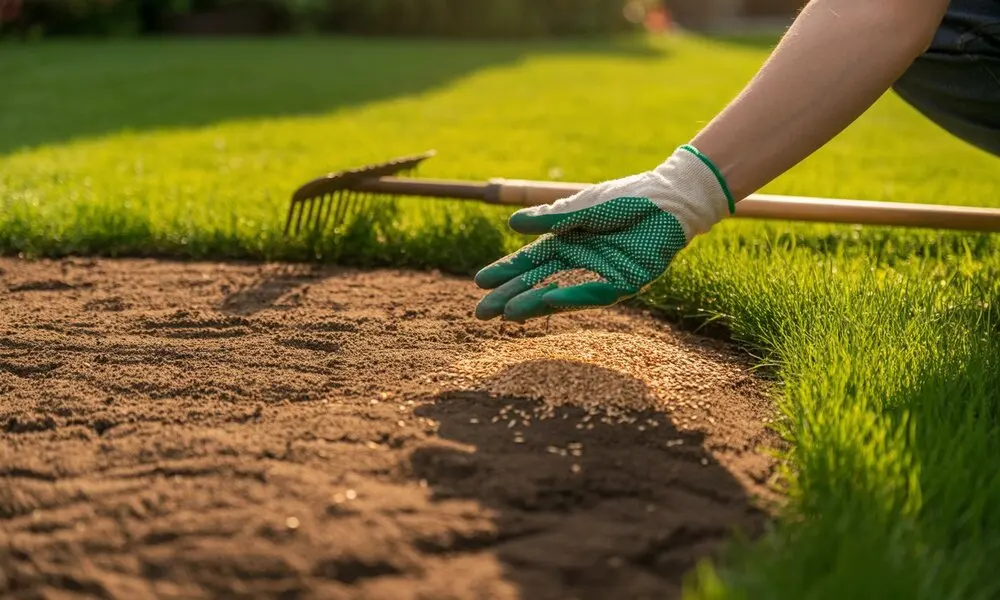
How do you seed a lawn the right way? Growing a healthy, green yard starts with properly planting grass seed. Whether you’re starting a new lawn or fixing bare spots, seeding a lawn takes more than just spreading seeds. You need to get the ground ready, spread the seeds correctly, and take care of the lawn as it grows. In this guide, we’ll explain each step how to prepare the ground for planting, what to use after spreading the seeds, and how long grass seeds take to sprout. Follow along to grow a lawn you’ll be proud of.Preparing the Ground for Planting Grass Seed Proper ground preparation is key to successful lawn seeding. To prepare your soil for grass seed sowing, follow these easy procedures.1. Clear the Area Remove any existing grass, weeds, rocks, or debris. This ensures that your grass seed has the best chance to take root without competing plants.2. Test and Improve the Soil Check your soil’s pH and nutrient levels using a soil test kit. Based on the results, add necessary amendments like compost, lime, or fertilizer to create healthy growing conditions for lawn seeding.3. Loosen the SoilCompacted areas can be broken up by tilling or aerating the soil. This helps improve drainage and allows planting grass seed to make direct contact with the soil, boosting germination rates.4. Level the Surface Rake the area smooth to create an even base. A level surface supports uniform seed distribution and consistent grass growth during the lawn seeding process.You may successfully sow grass seed and create a beautiful, green lawn by carefully preparing your soil.Step-by-Step | How Do You Seed a Lawn Seeding a lawn is a simple but detailed process that ensures a healthy, green yard for seasons to come. Whether you’re starting from scratch or overseeding an existing lawn, follow these step-by-step instructions to get the best results with your lawn seeding project.Step 1: Choose the Right Grass SeedThe key to successfully planting a lawn is choosing the right grass seed. Consider your region’s climate, the amount of sunlight your lawn gets, and how much foot traffic the area receives. Cool-season grasses (like Kentucky bluegrass, fescue, or ryegrass) are ideal for northern regions. Warm-season grasses (like Bermuda, zoysia, or St. Augustine) thrive in southern climates. Make sure the seed variety matches your soil type and lawn conditions. Buying high-quality seed ensures better germination and long-term success in planting grass seed.Step 2: Gather Tools and MaterialsBefore starting, collect everything you’ll need: Grass seed (based on your lawn and region) Seed spreader (broadcast or drop type) Rake Lawn roller (optional) Topsoil or compost (for covering seeds) Hose or sprinkler Soil testing kit Fertilizer (starter blend) Lawn aerator or tiller (if necessary) Having these items ready will help streamline the lawn seeding process.Step 3: Prepare the GroundA well-prepared surface is key to effective planting grass seed. Clear the area by removing weeds, old grass, rocks, and debris. Test the soil for pH and nutrients. Amend with lime, compost, or fertilizer as needed. Till or aerate the soil to a depth of 2–3 inches for better root development. Level the ground using a rake for a smooth, even surface. Proper soil preparation allows better seed-to-soil contact, which improves germination.Step 4: Spread the Grass SeedNow it’s time to begin planting grass seed: Use a seed spreader to evenly distribute the seed across the prepared area. For best results, seed in two passes first in one direction, then at a right angle. Follow the seeding rate instructions on your grass seed bag to avoid over- or under-seeding. This ensures an even spread and prevents patchy growth.Step 5: Cover the Seeds LightlyAfter lawn seeding, lightly rake the soil to mix the seeds about ¼ inch into the soil. Then, apply a thin layer of topsoil, compost, or straw to help retain moisture and protect the seeds from birds.Avoid burying seeds too deeply, as this can hinder germination.Step 6: Water Gently and RegularlyAs soon as the grass seed is planted, water the seeded area. To prevent the seeds from being washed away, use a little mist. Keep the soil consistently moist (but not soaked) until the seeds germinate usually within 7–21 days, depending on the grass type. In hot, dry weather, water once a day or twice a day. Consistent watering is vital for healthy seed sprouting.Step 7: Maintain the Lawn as It GrowsOnce grass starts growing: Reduce watering frequency but increase depth (2–3 times per week). Do not mow until the grass is 3 to 4 inches long. Use a sharp mower blade and never cut more than one-third of the grass height. Apply a nitrogen-rich fertilizer 4–6 weeks after seeding to promote healthy growth. Maintaining your lawn seeding area helps establish strong, durable grass.By following these detailed steps, planting grass seed becomes a manageable and rewarding task. With the right preparation and care, you’ll enjoy a vibrant, green lawn that enhances your outdoor space year-round.You may read about How Often Should I Fertilize My Lawn?Things to Apply on Freshly Sown Grass Seed After planting grass seed, applying the right materials helps protect the seed, support root growth, and improve germination. Here’s what to apply right after lawn seeding for best results:1. Light Layer of Compost or TopsoilSpread a thin, even layer (about ¼ inch) of compost or topsoil over the freshly sown seed. This helps: Protect seeds from wind and birds Maintain moisture levels in the soil Improve seed-to-soil contact for better germination Be sure not to bury the seeds too deeply just enough to cover them lightly.2. Starter FertilizerApply a starter fertilizer rich in phosphorus to encourage strong root development. Early lawn sowing is crucial for providing the seedlings with the nutrients they require to develop rapidly.Look for a fertilizer labeled specifically for new lawns, and always follow the manufacturer’s recommended rate.3. Straw or MulchA thin layer of weed-free straw or mulch helps in several ways: Holds moisture in the soil Shields seeds from direct sunlight Prevents birds from eating the

How Often Should I Fertilize My Lawn? Lawn Care Guide
Landscaping

How Often Should I Fertilize My Lawn

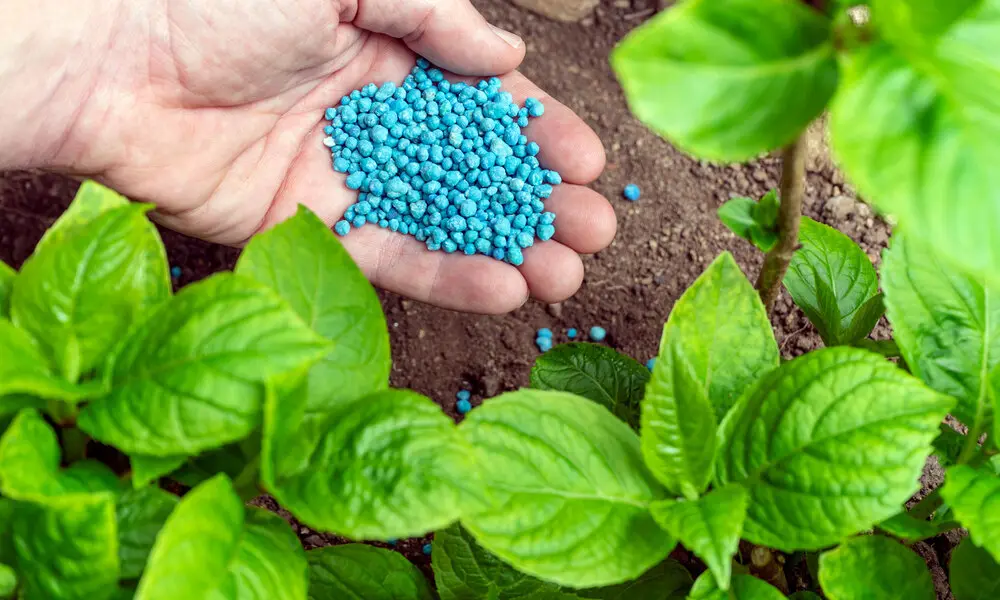
How often should I fertilize my lawn is a common question for homeowners aiming to achieve a lush, green yard. Regular fertilization is key to maintaining healthy grass, as it replenishes essential nutrients that soil naturally loses over time. Without proper feeding, your lawn can become weak, patchy, and more vulnerable to weeds and disease. Developing a consistent lawn fertilizer plan not only promotes strong root growth and vibrant color but also supports overall lawn resilience. In this guide, we’ll help you understand when and how often to fertilize your lawn for best results throughout the year.Why Lawn Fertilization Matters Keeping your lawn properly fertilized is one of the most important steps in maintaining a healthy, beautiful yard. A consistent lawn fertilizer plan not only enhances the appearance of your grass but also strengthens its ability to thrive in different seasons and conditions.Healthier, Greener GrassA regular fertilization schedule gives your lawn the nutrients it needs to grow thick and vibrant. Essential elements like nitrogen promote lush green blades, while phosphorus supports strong root development and potassium boosts overall plant health. When these nutrients are applied at the right time and in the right amounts, your lawn becomes visibly healthier and easier to manage.Natural Weed ControlFertilized lawns grow dense and full, leaving less room for weeds to sprout. When the grass is thick and strong, it crowds out unwanted plants naturally. This means fewer weeds without relying heavily on herbicides. Following a proper lawn fertilizer plan helps create a lawn that defends itself against common weed invaders.Improved Lawn Color and TextureOne of the most noticeable benefits of lawn fertilization is the deep, rich color it produces. Well-fed grass maintains a vibrant green shade and a soft, even texture. This boost in appearance adds curb appeal and makes your yard more enjoyable for everyday use.Stronger Root SystemsFertilization doesn’t just work above the surface—it builds strength below the ground. Nutrients like phosphorus encourage deeper root growth, which helps your lawn access water and nutrients more efficiently. A strong root system means better drought tolerance and less damage from foot traffic or environmental stress.Increased Resilience Year-RoundLawns that are regularly fertilized can better resist pests, disease, and weather changes. They bounce back faster from heatwaves, cold snaps, and heavy use. Whether it’s summer drought or winter frost, a well-maintained fertilization routine helps your lawn stay strong and healthy throughout the year.Long-Term Cost SavingsAlthough fertilizing your lawn requires a bit of investment, it pays off in the long run. Healthy lawns need less water, fewer weed treatments, and less repair work. Over time, this leads to lower maintenance costs and more consistent results.By building your personal lawn program and sticking to a fertilization schedule, you set your lawn up for lasting success. Whether you’re caring for a small yard or managing a larger property, proper fertilization is the foundation for a greener, tougher, and more attractive outdoor space. If you want Lawn care services contact none other than Lakota Design Group.How Often Should I Fertilize My Lawn? How often should I fertilize my lawn? While the general recommendation is 4 to 6 times per year, the true answer depends on multiple factors grass type, climate, soil conditions, and how you use your lawn. Fertilizing too often can burn your grass or promote shallow roots. Not fertilizing enough can lead to weak, patchy turf with increased weeds and disease. A well-structured lawn fertilizer plan balances these variables for healthy, long-lasting results.Cool-Season vs. Warm-Season GrassesUnderstanding your grass type is the first step in determining fertilization frequency.Cool-Season GrassesThese grasses grow most vigorously in spring and fall. Common types include: Kentucky bluegrass Tall fescue Perennial ryegrass Fertilization Schedule: Cool-season lawns typically need fertilization in: Early spring (to jumpstart growth) Late spring (to support new blades) Early fall (to repair summer stress) Late fall (to strengthen roots before winter) Optional applications in midsummer can be added with caution, as these grasses slow down during heat. Over-fertilizing in summer may stress the lawn.Warm-Season GrassesThese grasses thrive during hot months. Common types include: Bermuda grass St. Augustine grass Zoysia grass Fertilization Schedule: Warm-season lawns benefit from feeding in: Late spring (when grass fully greens up) Midsummer (peak growth period) Early fall (to maintain thickness before dormancy) Avoid fertilizing too early in spring or too late in fall—this can promote growth at the wrong time, weakening the lawn.Factors That Influence Fertilization FrequencyEven within the same region or lawn type, several conditions affect how often you should fertilize:Soil Type Sandy Soil drains quickly, losing nutrients faster. These lawns often require more frequent but lighter fertilizations. Clay or Loam Soil retains nutrients longer and may need fewer applications. However, compaction can limit nutrient uptake, so aeration might be necessary. Climate and Weather Patterns Warmer Climates extend the growing season, especially for warm-season grasses, increasing fertilization needs. Cooler Climates have shorter growing windows, especially for cool-season grasses, requiring more strategic timing. Rainfall also plays a role heavy rains may wash away nutrients faster, calling for additional fertilizing. Lawn Usage High-Traffic Lawns (kids, pets, entertaining areas) experience more wear and tear. These lawns benefit from more frequent feeding to recover and maintain density. Low-Use Lawns (ornamental or shaded lawns) might need fewer treatments, depending on growth rate. Grass VarietySome grass types are naturally aggressive growers and require more nutrients, while others are slow-growing and lower-maintenance. For example: Bermuda grass is fast-growing and nutrient-hungry. Fine fescue grows slowly and requires less frequent fertilization. Build Your Personal Lawn ProgramInstead of guessing or copying a one-size-fits-all schedule, the best approach is to Build Your Personal Lawn Program. This means evaluating your: Local climate conditions Soil health and pH Grass species Watering habits and irrigation Yard usage and foot traffic levels With this tailored plan, you can apply the right fertilizer at the right time, using the right nutrients (slow-release or quick-release, depending on the season). Many homeowners also conduct a soil test to determine nutrient deficiencies this makes your fertilization smarter and more efficient.You may read about How Much Lawn

How Often Should You Aerate Your Lawn | Seasonal Lawn Tips
Landscaping

How Often Should You Aerate Your Lawn

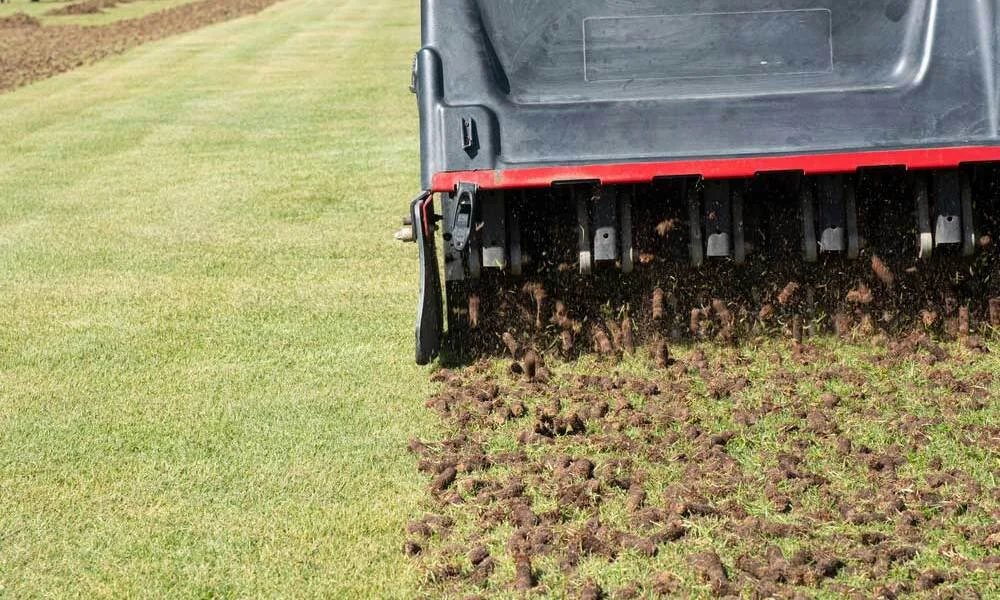
How often should you aerate your lawn depends on several factors, but one thing is certain it plays a key role in maintaining a healthy, lush landscape. Lawn aeration is the process of perforating the soil with small holes to allow air, water, and nutrients to penetrate deep into the root zone. Over time, soil becomes compacted due to foot traffic, weather conditions, and routine lawn use, which restricts root growth and limits access to essential resources. Regular aeration breaks up this compaction and revitalizes your lawn from the ground up. Healthy soil encourages deeper root systems, leading to thicker, greener grass. Aeration also enhances drainage and boosts the effectiveness of fertilizers. By understanding how often to aerate, you can promote long-term lawn health and resilience.Why Should You Aerate a Lawn? Boosts Lawn Health Aeration improves overall lawn vitality by enhancing airflow to the roots. When grass roots receive more oxygen, they grow deeper and stronger, resulting in a thicker, greener lawn. It also helps turf recover from environmental stress and foot traffic.Reduces Soil Compaction Compacted soil limits root expansion and blocks essential nutrients from reaching the root zone. Regular aeration breaks up tightly packed soil particles, allowing roots to grow freely and absorb what they need to thrive.Breaks Down Thatch Thatch is a layer of dead grass, roots, and debris that builds up between the grass blades and soil surface. When thatch becomes too thick (over ½ inch), it acts like a barrier. Aeration physically slices through the thatch, promoting natural decomposition and preventing disease and pest buildup.Improves Water and Nutrient Absorption Aeration opens up the soil so water, nutrients, and fertilizers can sink in more deeply and evenly. This reduces surface runoff and ensures resources reach the root level where they’re most effective resulting in improved lawn density and color.Encourages Stronger Roots The combination of loosened soil and better nutrient availability encourages root systems to grow deeper. Deeper roots are more drought-resistant and better anchored, supporting long-term lawn health.Enhances Soil Microbial Activity Aeration introduces oxygen into the soil, stimulating microbial activity that naturally breaks down organic matter. This keeps the soil ecosystem balanced and healthy.Recognizing the Signs Knowing when your lawn needs aeration is key to timely intervention. Common signs include: Thinning Grass: Grass becomes sparse or patchy despite proper care Pooling Water: Puddles form after rainfall or watering Hard Soil Surface: Walking on the lawn feels stiff or bouncy Heavy Use Areas: High-traffic spots show signs of wear and thinning Poor Growth: Lawn looks dull or stressed even after fertilizing By addressing these issues with timely aeration, you’re not just treating symptoms you’re restoring your lawn’s health from the soil up.You may read about How Much Lawn Care Cost?Factors That Influence Aeration Frequency Soil Type The type of soil in your yard is one of the biggest factors in deciding how often to aerate. Clay soils are dense and tend to compact quickly, which limits air and water flow to the roots. These lawns usually need aeration once or even twice a year to stay healthy. On the other hand, sandy soils are lighter and drain well, so they don’t compact as easily. Lawns with sandy soil may only need aeration every two to three years unless there’s heavy foot traffic.Foot Traffic The more people or pets use your lawn, the more often it will need aeration. High-traffic areas like spots near sidewalks, play zones, or places where outdoor events are held experience faster compaction. The soil becomes hard, which prevents roots from growing properly. If your lawn gets used frequently, aim to aerate at least once a year to relieve compaction and keep your turf healthy.Lawn Age and Condition Older lawns that have been in place for many years are more likely to have compacted soil and thick layers of thatch. Similarly, lawns that haven’t been aerated in a long time or show signs of poor health like slow growth or patchy grass benefit greatly from regular aeration. Aerating once a year helps restore airflow to the roots and gives the lawn a better chance to bounce back.Climate and Season The climate in your area and the type of grass you grow also affect when and how often you should aerate. Cool-season grasses (such as Kentucky bluegrass, fescue, or ryegrass) grow best in spring and fall, which are also the best times to aerate. Warm-season grasses (like Bermuda, St. Augustine, and zoysia) grow actively during late spring to early summer, so that’s when aeration should be done for best results. In regions with heavy rainfall or poor drainage, aeration may be needed more often to prevent compacted, soggy soil. In drier climates, it can help loosen the soil and improve water absorption.Lawn Care Practices Regular mowing, watering, and fertilizing help your lawn, but they can also contribute to thatch buildup and surface compaction over time. Even well-maintained lawns can become compacted from routine care. Aerating every 1–2 years ensures nutrients continue to reach the root zone effectively.By considering these factors soil type, usage, age, climate, and lawn care habits you can create a custom aeration schedule that keeps your lawn in top condition all year long.How Often Should You Aerate Your Lawn? General Recommendation Most lawns should be aerated once a year to stay healthy and strong. However, if your lawn is in good shape and doesn’t get much foot traffic, aerating every other year may be enough.Adjusting Based on Lawn Conditions You may need to aerate more often if: The soil feels hard or compact Water pools on the surface after rain Grass looks thin or weak You have heavy clay soil or lots of foot traffic In these cases, aerating twice a year once in spring and once in fall can help improve your lawn’s health.Best Time to Aerate (by Grass Type) Cool-season grasses (like fescue, bluegrass, ryegrass): Aerate in early spring or early fall, when the grass is growing actively. Warm-season grasses (like Bermuda, zoysia, St. Augustine): Aerate in late spring to early

How to Keep Dogs Off Your Lawn with DIY Methods
Landscaping

How To Keep Dogs Off Your Lawn

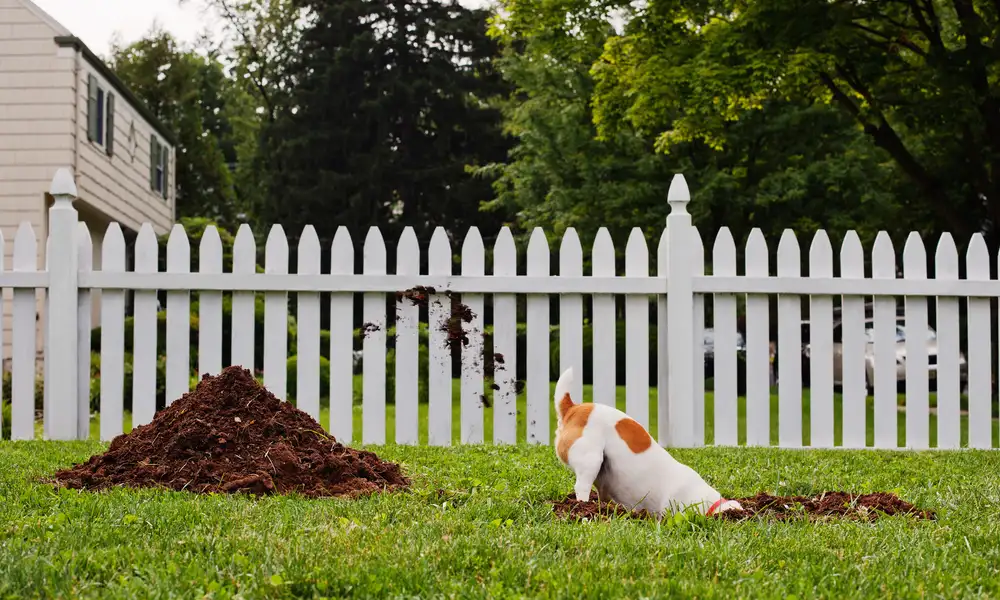
How to keep dogs off your lawn is a common concern for many homeowners who want to maintain a clean, damage-free yard. Whether it’s neighborhood pets wandering through or stray animals leaving behind messes, dealing with this issue can be frustrating. Fortunately, there are several effective methods for repelling dogs from lawn areas without causing them harm. From using natural deterrents and motion-activated sprinklers to installing physical barriers or applying pet-safe repellents, these solutions can help you keep dogs off lawn spaces and protect your landscaping. With the right approach, you can enjoy a beautiful, dog-free yard all year round.Why You Should Keep Dogs Off Your Lawn Your lawn is more than just grass it’s part of your home’s beauty, investment, and first impression. Allowing dogs to roam freely on your grass may seem harmless, but the long-term effects can be costly and frustrating. Here’s why keeping dogs off your grass is not only a smart move but a necessary one.1. Damage Caused by Dog Urine and DiggingDog urine contains high levels of nitrogen, which can burn grass and create unsightly yellow or brown spots. Over time, these patches multiply, weakening your turf’s health and appearance. Even worse, dogs often choose the same spot repeatedly, causing compounding damage.In addition to urine damage, digging is another common issue. Some dogs instinctively dig into soft soil, especially if they pick up the scent of another animal. This leads to uneven ground, uprooted plants, and a lawn that’s more dirt than grass.Using humane methods to repel dogs from yard spaces can help preserve your lawn’s quality and appearance. Solutions like motion-activated sprinklers, dog-safe repellents, and boundary barriers are effective tools.2. Health and Hygiene ConcernsDog feces aren’t just an eyesore they pose serious health risks. They can carry harmful bacteria, parasites like hookworms or roundworms, and even viruses. If children play on the lawn or you host outdoor gatherings, exposure to these contaminants becomes a real concern.Also, urine and feces attract pests and can cause a foul odor, which affects the overall hygiene and enjoyment of your outdoor space. Keeping dogs off your grass helps ensure your lawn remains clean, safe, and suitable for your family’s use.3. Impact on Landscaping and Curb AppealA professionally maintained lawn with clean edging, healthy turf, and decorative plants is a strong statement of curb appeal. But all of that effort can be undone if dogs frequently trample through your yard. They can knock over decorative lights, crush delicate ground covers, and even harm ornamental shrubs by urinating on them.Homeowners invest significant time and money into landscaping. Allowing untrained or unsupervised dogs on your property can reverse that progress quickly. To protect your investment, take proactive steps to repel dogs from yard entry points.4. Neighborhood Disputes and Legal ConsiderationsAllowing dogs to wander onto others’ property often leads to neighborhood tension. If someone’s pet damages your lawn or leaves behind waste, it may create uncomfortable conversations or worse, legal action.Depending on your local laws, homeowners may have the right to install fencing, post signs, or take legal steps to enforce keeping dogs off your grass. Being proactive about setting boundaries helps avoid misunderstandings and keeps neighborhood relationships positive.You may read about How Much Lawn Care Cost?DIY Dog Repellent Sprays to Keep Dogs Off Lawn Repelling dogs from lawn areas can be done naturally using DIY dog repellent sprays. These simple, homemade solutions use everyday ingredients like vinegar, citrus, and essential oils to help keep dogs off lawn spaces without causing harm. Whether you’re dealing with neighborhood pets or your own curious pup, these recipes are easy, affordable, and effective.Natural Ingredients for Repelling Dogs from LawnDogs have sensitive noses, and strong smells like vinegar, citrus, and certain essential oils can deter them. These natural substances don’t just repel dogs they’re also safe when used properly. When sprayed around garden edges, pathways, and entry points, they help discourage unwanted visits without using harsh chemicals.Recipe #1: Vinegar & Lemon SprayThis spray combines the strong scent of vinegar with the acidic aroma of lemon, both known for repelling dogs from lawn areas.Ingredients: 1 cup white vinegar 1/2 cup freshly squeezed lemon juice 1 cup water Instructions:Mix all ingredients in a spray bottle. Shake well before each use. Spray along the edges of your lawn, garden beds, or any area you want dogs to avoid. Avoid spraying directly on plants, as vinegar can harm some vegetation.Recipe #2: Cayenne Pepper & Water MixCayenne pepper has a pungent scent and slight irritation that dogs avoid, making it effective for helping keep dogs off lawn zones.Ingredients: 1 tablespoon cayenne pepper 1 quart of water Instructions:Mix the cayenne pepper into water and stir thoroughly. Pour the solution into a spray bottle and apply it around the perimeter of your lawn. Do not spray directly on dogs or in windy conditions to avoid eye irritation.Safety Tips: What’s Safe vs. Harmful for DogsWhile natural repellents are generally safe, it’s important to use them responsibly: Vinegar and lemon: Safe in diluted forms but avoid overuse to prevent damaging grass or plants. Cayenne pepper: Effective for repelling dogs from lawn but should never be applied directly to pets or areas where they might sniff deeply. Essential oils: Some oils like citrus or eucalyptus can be irritating. Use them in small, diluted amounts and avoid tea tree oil, which is toxic to dogs. Always monitor your dog’s reaction and adjust as needed to avoid distress.How Often to Reapply and Where to SprayNatural sprays lose potency over time, especially after rain or watering. Reapply every 2–3 days or after heavy moisture. Focus on spraying: Lawn borders Garden beds Entryways or walking paths Fence lines Regular application helps reinforce boundaries and conditions dogs to stay away. Using these safe and simple sprays can be an effective part of your strategy for repelling dogs from lawn areas and maintaining a clean, damage-free yard. For Lawn care services in San Jose contact no other than Lakota Design Group.5 Effective Ways to Keep Dogs Off Your Lawn Repelling

How Much Does Artificial Turf Cost
Landscaping

How Much Does Artificial Turf Cost? (2025 Pricing Guide)

Artificial turf is a man-made field that is meant to look and feel like real grass. It is usually made of nylon, polyethylene, or polypropylene fibers and is backed with rubber or polyurethane materials that last a long time. Artificial grass, which is often used on sports fields and is now also used in private landscapes, looks green all year without the work of regular lawn care.Brief History and UsageOriginally introduced in the 1960s for stadiums like the Houston Astrodome, artificial turf has come a long way in quality and appearance. Today it’s widely adopted for home lawns, schools, commercial spaces, rooftops, and even pet areas.Benefits of Artificial Grass Low Maintenance: No mowing, watering, or fertilizing. Cost-Effective Long Term: Saves on water and maintenance. Year-Round Appeal: Always green, no brown patches. Durability: Designed to withstand heavy foot traffic and extreme weather. Environmentally Friendly: Reduces water usage and pesticide run-off. Factors That Influence Artificial Turf CostLets Break down the topic “How Much Does Artificial Turf Cost?”Type and Quality of TurfArtificial turf comes in various pile heights, face weights, and fiber materials. Premium turf mimics natural grass more realistically but also comes at a higher price. Low-cost turf may not hold up well to foot traffic or UV exposure.Size of the Installation AreaThe larger the area, the higher the cost but many suppliers offer volume discounts for larger projects. A 1000 sq ft lawn will obviously cost more than a small patio area.Ground Preparation RequirementsPrepping the ground involves removing existing sod, leveling, compacting, and sometimes adding drainage systems. Costs can vary significantly depending on soil quality and existing landscaping.Installation Costs (DIY vs Professional)Professional installation ensures a longer-lasting and better-looking finish, but it comes with labor costs. DIY can cut costs, but it requires tools, knowledge, and time.Location and Regional PricingPrices can vary by region due to labor costs, demand, and material availability. Urban areas typically have higher installation rates than rural ones.Average Cost of Artificial Turf in 2025Cost Per Square FootIn 2025, the average cost of artificial turf ranges between $5 to $15 per square foot, including materials and installation. Component Cost Range (per sq ft) Turf Material $2 – $7 Installation Labor $3 – $8 Total Installed $5 – $15 Total Project Cost for Different Lawn Sizes Lawn Size Estimated Cost Range 300 sq ft (small yard) $1,500 – $4,500 500 sq ft $2,500 – $7,500 1000 sq ft $5,000 – $15,000 2000 sq ft (large lawn) $10,000 – $30,000 Cost Breakdown: Materials, Labor, and Extras Base Materials (gravel, sand): $1 – $2/sq ft Weed Barrier: $0.30 – $0.75/sq ft Infill (rubber, silica): $0.50 – $1.50/sq ft Edging and Accessories: $100 – $500 (per project) Cost of Artificial Turf by LocationThe cost of artificial turf by location can vary widely due to factors such as regional demand, local labor rates, and environmental considerations. Let’s examine how the cost of installing artificial turf and fake grass varies by location.Regional Cost Differences California (Bay Area, LA, San Diego): Due to high demand, labor costs, and the need for turf to withstand intense sun, the artificial turf installation cost can be higher. Expect prices ranging from $8 to $20 per square foot in areas like the Bay Area, where installation tends to cost more due to the high cost of living and greater competition for services. Midwest (Chicago, Detroit, St. Louis): The artificial grass cost in the Midwest is generally lower, with prices ranging from $5 to $15 per square foot. Lower labor costs and more reasonably priced materials are to blame for this. However, installation can still get pricey depending on site prep or project size. Southeast (Atlanta, Miami, Houston): In the Southeast, artificial turf prices tend to be moderate, typically ranging from $6 to $16 per square foot. Florida’s high humidity and rain levels may also influence the types of turf used and the materials required for drainage, affecting overall costs. Urban vs. Rural Cost Variations Urban Areas (San Francisco, New York, Miami): Urban centers generally have higher artificial turf installation costs due to the increased cost of living, availability of specialized installers, and higher competition. Projects in major cities like San Francisco or New York can range from $8 to $20 per square foot or more. Rural Areas: However, because there is less competition and labor costs are lower in rural areas, artificial grass tends to be less expensive there. Prices may range from $5 to $12 per square foot, though they can still fluctuate based on specific site requirements. Estimated Costs by Major Cities or States Location Estimated Cost Range per sq ft Bay Area, CA $8 – $20 Los Angeles, CA $7 – $18 Miami, FL $6 – $16 Atlanta, GA $6 – $15 Chicago, IL $5 – $14 Dallas, TX $5 – $13 New York, NY $8 – $20 St. Louis, MO $5 – $12 Phoenix, AZ $6 – $16 As seen in the table, the artificial turf installation cost is typically higher in coastal cities or areas with a high cost of living, like the Bay Area, while more affordable options can be found in the Midwest and rural areas.You can read about artificial turf in the Bay area.Artificial Turf Cost by TypeResidential TurfFor typical home lawns, residential turf tends to cost between $5 to $10 per square foot, installed. This type of turf focuses on aesthetics, comfort underfoot, and light to moderate durability. It’s ideal for homeowners who want a green, low-maintenance lawn that looks good year-round.Commercial and Sports Field TurfArtificial grass cost for commercial properties or sports fields must endure heavier foot traffic and rigorous use. These turfs are built tougher, often using nylon blends and specialized infill. Costs range from $8 to $20 per square foot, depending on sport-specific requirements such as shock pads and drainage.Pet-Friendly TurfDesigned with pets in mind, this turf includes antimicrobial properties and enhanced drainage to manage pet waste effectively. Expect prices around $7 to $12 per square foot. Some pet-specific turf systems also include odor control infill, which

How to Get Rid of Mushrooms in Lawn | Easy Steps
Landscaping

How To Get Rid Of Mushrooms In Lawn

How to get rid of mushrooms in lawn can be a common concern for homeowners, especially when these fungi begin to take over the grass. Mushroom growth in your lawn is often a sign of underlying moisture issues, decaying organic matter, or poor soil conditions. For those dealing with unsightly fungi, mushroom removal from lawn is essential not only for aesthetic reasons but also to maintain a healthy grass environment. Getting rid of mushrooms in grass can be done effectively through a combination of improving drainage, reducing excess moisture, and properly maintaining the lawn. By understanding the causes and implementing proper control methods, you can restore your lawn to its healthy, mushroom-free state.Why Are There Mushrooms In My Lawn? Mushrooms in your lawn are a natural part of the ecosystem, playing important roles in the environment. They act as decomposers, breaking down organic matter such as dead leaves, tree roots, and other plant debris. This process returns vital nutrients to the soil, enriching it for future plant growth.Ideal Conditions for Mushroom GrowthMushrooms thrive in specific conditions: Moisture: Mushrooms need a moist environment to grow. Adequate rainfall or overwatering your lawn can provide the moisture they need. Shade: Mushrooms tend to flourish in shaded areas, as the lack of direct sunlight helps keep the ground damp. Organic Matter: Mushrooms feed on decaying organic material, such as fallen leaves, dead tree roots, or even decomposing grass clippings. Common Causes of Mushroom Growth in Lawns Excessive Moisture or Poor Drainage: If your lawn has poor drainage or has been overwatered, it can create ideal conditions for mushroom growth. The wet, stagnant environment is perfect for fungal growth. Decaying Organic Matter: Mushrooms feed on decaying plant material. Dead tree roots, old stumps, or piles of grass clippings provide a food source, allowing mushrooms to grow and thrive. High Humidity Levels: Mushrooms prefer humid conditions. If your lawn is in a location where humidity levels tend to stay high (e.g., in the shade near trees or buildings), it can encourage mushroom growth. Common Times for Mushrooms to Appear Spring and Fall: These are the most common times for mushrooms to grow in lawns, as the temperatures are moderate, and there is often sufficient moisture. Spring showers or fall rains combined with the cooler weather create an environment perfect for mushroom growth. Yard Mushroom Control and Mushrooms in Grass RemovalIf you want to control or remove mushrooms from your lawn, here are a few strategies: Improve Drainage: Fixing drainage problems can reduce moisture buildup, making it less favorable for mushroom growth. Remove Decaying Organic Matter: Raking up dead leaves, old grass clippings, and trimming tree roots can eliminate the food source for mushrooms. Reduce Watering: Avoid overwatering your lawn, especially in areas where mushrooms tend to grow. Use Fungicides: While generally not recommended unless necessary, fungicides can help control mushrooms, though they won’t address the root cause of the growth, like moisture or decaying organic matter. By managing the environmental factors that encourage mushroom growth, you can help control mushrooms in your yard, reducing the appearance of mushrooms in your grass.You may read about How Much Is Lawn Care Per Month?Importance of Identifying the Type of Mushroom Identifying the type of mushroom growing in your lawn is crucial for several reasons: Safety: Some mushrooms are poisonous and can be harmful to humans, pets, or livestock. Proper identification ensures you avoid potential hazards. Ecological Awareness: Different types of mushrooms play different roles in the ecosystem. Understanding which mushroom is growing in your lawn helps you manage your yard appropriately. Edibility: Certain mushrooms are edible and considered a delicacy, but they need to be identified accurately to avoid consuming harmful varieties. Pest Control: Some mushrooms, like those in the Honey Fungus species, are parasitic and can harm your plants or trees. Common Lawn Mushrooms Fairy Ring Mushrooms: These mushrooms often appear in a circular pattern and are a sign of the Marasmius oreades fungus. They typically appear in the late spring and fall. Fairy rings can sometimes be beneficial by breaking down organic matter, but their growth can also cause damage to the lawn as they deplete nutrients from the soil, leaving a patch of dead grass in the center of the ring. Toadstool Varieties: Toadstools are a general term for mushrooms that are often considered toxic. Common toadstool varieties in lawns include species from the Amanita genus, like the infamous Death Cap. These mushrooms can be deadly if ingested, so it’s essential to identify them correctly. Honey Fungus (Armillaria species): Honey Fungus is a parasitic species that feeds on trees and other plants. It can be identified by its yellow to brownish caps and white gills. It’s known to cause harm to trees by rotting their roots, so it is a significant concern for plant health. The mushrooms typically grow in clusters around the base of trees or stumps. How to Distinguish Between Edible and Poisonous Mushrooms Cap Shape and Size: Poisonous mushrooms like the Amanita species tend to have distinctive cap shapes, such as a bulbous or umbrella-like shape with a distinct ring around the stem. Gills: Look at the color and arrangement of the gills. Some poisonous mushrooms have white gills that change color or develop a unique pattern as they mature. Smell: Edible mushrooms like the Agaricus species often have a pleasant, earthy smell. In contrast, many poisonous mushrooms, like those in the Amanita genus, have an unpleasant or pungent odor. Spore Print: One of the best ways to identify mushrooms is to take a spore print. Place the mushroom cap, gills down, on a piece of paper for several hours. The color of the spores that fall off the mushroom can help in identification. For example, Amanita species will produce a white or cream-colored print, while some edible mushrooms like chanterelles have a yellowish spore print. Color Changes: Some mushrooms, like the Gyromitra species, change color when exposed to air, which can help with identification. Important Warning: When identifying mushrooms, it’s essential

Our Client's Reviews

Copyright © 2025 | Localpro1 | All Rights Reserved.

English