
Author name: admin

landscape grading
Uncategorized

Landscape Grading: Essential Guide for Homeowners

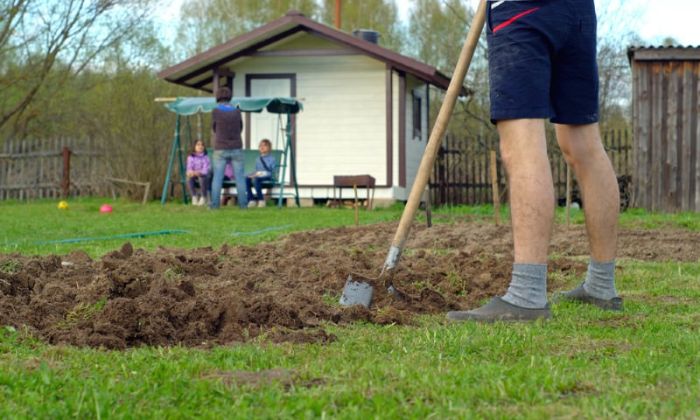
Landscape grading is a foundational step in creating a well-balanced, functional, and attractive outdoor space. It involves reshaping and leveling the ground to control water flow, protect structures, and maintain soil health. Whether you’re improving drainage around your house, preventing soil erosion, or simply aiming for a better-looking lawn, landscape grading is essential to a successful landscaping project. In this guide, we’ll cover the importance of grading, various techniques, and provide practical advice for planning, executing, and maintaining a grading project.What Is Landscape GradingLandscape grading is the process of shaping the land’s surface to create a level or sloped base for landscaping, construction, or drainage purposes. It involves the movement and manipulation of soil to ensure proper water flow, prevent erosion, and enhance usability.Grading typically prepares the ground for features like lawns, gardens, patios, or structures. Proper grading directs water away from foundations, minimizing flooding and damage. The process requires tools like bulldozers or graders and may involve adding or removing soil. Landscape grading is crucial for creating aesthetically pleasing, functional outdoor spaces while protecting property from water-related issues.Why Landscape Grading Is ImportantEffective landscape grading has numerous benefits that go beyond just aesthetic appeal. Here’s why homeowners should prioritize grading as part of their landscape design:Drainage ControlProper yard grading directs water away from structures, preventing puddles and water accumulation near foundations. This reduces soil erosion, which can harm landscaping and destabilize soil. Effective grading controls water runoff, helping to prevent foundation damage and extending the lifespan of your property. By managing drainage, landscape grading protects your yard’s structure and enhances its durability, creating a more stable and resilient outdoor space.Foundation ProtectionProper grading is essential for protecting your home’s foundation. It slopes the ground away from the structure, guiding water away to prevent buildup around the foundation. Without this, poor drainage can allow water to seep into basements or crawl spaces, leading to damp conditions ideal for mold growth, mildew, and even structural damage. Over time, unchecked water exposure may erode the foundation and cause cracks, impacting the integrity and safety of the building. Effective grading and drainage prevent these issues, helping to preserve your home’s foundation and avoiding costly repairs.Soil and Plant HealthLandscape grading and drainage improvements are vital for soil and plant health. Proper grading ensures soil drains well, which prevents waterlogging and supports strong root growth. Well-drained soil holds nutrients better, minimizing runoff that can wash away essential minerals plants need to thrive. By creating these optimal conditions, grading helps maintain nutrient-rich soil, promoting healthier plants, lawns, and gardens.Enhanced AestheticsLandscape leveling and grading improve the aesthetics of a yard by creating a smooth, even surface that looks polished and inviting. By eliminating uneven or bumpy areas, grading gives the landscape a clean, organized appearance. It also allows you to highlight specific features, such as flower beds or pathways, adding depth and visual interest to the design. Proper grading can create natural contours, making your landscape more dynamic and attractive. This transformation enhances curb appeal, making the outdoor space both functional and visually appealing, ideal for enjoyment and showcasing the beauty of your property.Types of Landscape GradingUnderstanding the different types of landscape grading is essential when planning your project. Here are the most common techniques:Positive GradingPositive grading is the practice of shaping the ground around buildings to slope outward, directing water away from foundations and toward designated drainage areas. This technique helps prevent water accumulation near structures, reducing the risk of basement leaks, foundation damage, and soil erosion. By ensuring that rainwater or runoff flows away from the building, positive grading promotes better drainage and safeguards against moisture-related issues. Implementing a positive grade is a fundamental part of landscaping and construction, protecting buildings from water damage and enhancing long-term stability. Proper grading supports both the property’s integrity and the surrounding environment.Negative GradingNegative grading occurs when the ground slopes toward a building, rather than away from it. This creates the potential for water to pool around the foundation, which can lead to serious issues like moisture damage, mold, and structural weakening over time. Proper grading ensures that water flows away from the building, reducing the risk of water infiltration and foundation damage. If negative grading is present, it should be corrected by regrading the land to create a slope that directs water away from the foundation, protecting the integrity and longevity of the building.Flat GradingFlat grading involves leveling the ground to create a smooth, even surface, typically for lawns, patios, or garden beds. This process ensures that the area is uniformly flat, promoting an aesthetically pleasing and functional outdoor space. However, while flat grading provides a stable foundation, it’s crucial to include proper drainage systems to prevent water from accumulating. Without adequate drainage channels, water can pool on the surface, potentially damaging plants, patios, or lawn areas. Therefore, while leveling is key, managing water flow is just as essential for the long-term durability and health of the landscape.Terraced GradingTerraced grading involves creating step-like levels on steep slopes, often used in landscaping and agriculture. This technique helps prevent soil erosion by slowing water runoff, allowing the ground to absorb moisture more effectively. It also improves stability on hillsides, reducing the risk of landslides. In addition to its functional benefits, terracing enhances the visual appeal of a landscape, creating distinctive, multi-level surfaces. It can be used for planting crops, gardens, or simply as an aesthetic feature in areas with significant slopes. Terraced grading is commonly seen in mountainous regions and on hillsides in urban landscapes.Steps to Plan and Design a Grading ProjectPlanning is key to a successful grading project. Follow these steps to design an effective landscape grading plan:Assessing the LandscapeAssessing the landscape involves thoroughly evaluating the layout of the area, including slopes and drainage patterns. Start by identifying areas where water tends to accumulate, as this could indicate poor drainage. Look for uneven surfaces or low spots that might cause water to pool. Pay attention to areas prone to soil erosion, which can be exacerbated by improper drainage or slopes.
sprinkler system repair
Uncategorized

Sprinkler System Repair: 7 Easy Fixes for a Healthy Lawn

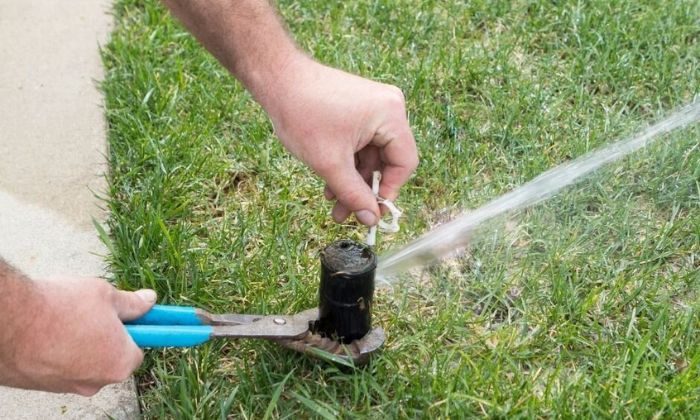
Is your lawn looking a bit uneven, or are you noticing dry patches despite regular watering? The issue could be your sprinkler system. Over time, sprinkler systems can experience wear and tear, leading to ineffective watering, higher water bills, and an unhealthy lawn. Don’t worry, though—sprinkler system repair can be simple and straightforward! In this article, we’ll walk you through 7 easy fixes that will have your sprinkler system running efficiently again, saving you time, water, and money.1. Check for Leaks and Drips in Your Sprinkler SystemProblem: Leaks or constant drips in your sprinkler system are a common issue that can waste a lot of water and reduce the efficiency of your irrigation.Solution: The first step in sprinkler system repair is checking for leaks in your sprinkler heads, pipes, and connections. A leaking sprinkler head or cracked pipe can waste gallons of water, causing puddles in your yard and an uneven lawn. Look for wet spots or puddles near your sprinkler heads—these are signs that a repair is needed. Replace any cracked or damaged heads and tighten loose connections to stop leaks. Regularly checking your sprinkler system for leaks will help save water and maintain an efficient irrigation setup.2. Adjust Sprinkler Heads for Proper CoverageProblem: Improperly adjusted sprinkler heads can lead to over-watering or under-watering specific areas of your lawn, leaving patches of dry or oversaturated grass.Solution: One of the simplest sprinkler system repairs you can do is to adjust the angle and radius of your sprinkler heads. Make sure each head is pointed toward the areas that need watering, and ensure the spray pattern is set to cover the intended space. If necessary, replace sprinkler heads that are damaged or no longer working effectively. Adjusting your sprinkler heads will help you achieve an even distribution of water, ensuring every inch of your lawn gets the hydration it needs.3. Clean and Unclog Sprinkler HeadsProblem: Dirt, debris, and mineral buildup can clog your sprinkler heads, reducing their water flow and efficiency.Solution: To prevent clogs, regularly inspect your sprinkler heads for dirt or debris. To clean them, simply unscrew the heads and rinse them under water to remove any obstructions. If the clog is more stubborn, soak the head in vinegar for a few hours to break down mineral buildup. This sprinkler system repair ensures that your sprinklers are working at full capacity, preventing dry patches from forming in your lawn.4. Replace Broken or Worn Out PartsProblem: Over time, parts of your sprinkler system can wear out due to weather, usage, or age. A cracked sprinkler head or broken pipe can reduce the overall performance of your system.Solution: If you notice any broken parts, it’s crucial to replace them as soon as possible. This includes cracked sprinkler heads, damaged pipes, or worn-out nozzles. These components are easy to find at your local hardware store and are simple to replace. Regularly replacing worn parts will ensure that your sprinkler system repair efforts are effective and that your sprinkler system is always in top working condition.5. Check and Adjust Water PressureProblem: Low or inconsistent water pressure can cause your sprinklers to water unevenly, leading to weak spray patterns and dry patches.Solution: If you notice weak water pressure, it could be due to a malfunctioning pressure regulator. Check your water pressure by turning on the sprinkler system and observing the spray pattern. If the water pressure seems low or inconsistent, the pressure regulator may need to be replaced. Ensuring proper water pressure is one of the most important sprinkler system repairs, as it directly affects how effectively your lawn is watered.6. Inspect the Controller and Timer SettingsProblem: Often, the issue isn’t the system itself but the settings on your controller or timer. Incorrect programming can lead to your sprinkler system running too often or not often enough.Solution: Double-check your controller’s settings. Ensure that the watering schedule is tailored to the needs of your lawn and that the timer is set for the right times of day (early morning or late evening is ideal). Incorrect settings can result in over-watering, which wastes water and damages your plants, or under-watering, which leaves your grass thirsty. This simple sprinkler system repair is an easy fix but can have a significant impact on your system’s efficiency.7. Install a Sprinkler FilterProblem: Dirt and debris entering the system can clog sprinkler heads and pipes, leading to poor water distribution and inefficiency.Solution: Installing a filter at the beginning of your sprinkler system can help prevent debris from entering and clogging your pipes and heads. This sprinkler system repair reduces maintenance needs and extends the life of your system. Filters are easy to install and can save you from frequent cleaning and repairs down the road. For expert Bay Area landscape design and irrigation system repairs, choose Lakota Design Group to keep your system running smoothly and efficiently.ConclusionMaintaining a healthy, lush lawn doesn’t have to be a constant battle. By following these 7 easy sprinkler system repair tips, you’ll ensure that your system runs efficiently, saving water and preventing dry, patchy spots in your yard. Regular maintenance and timely repairs can make a big difference in the health of your lawn and help you avoid costly repairs in the future.If you’re not comfortable handling these repairs yourself, choose Lakota Design Group for professional Irrigation System Repair. A properly functioning sprinkler system is key to keeping your lawn green and vibrant all year round.FAQsWhy is my sprinkler system causing dry patches in my lawn?Dry patches are often due to clogged heads, leaks, or improper adjustments. Check for issues with your sprinkler heads or system settings.How do I know if my sprinkler system has a leak?Look for wet spots or puddles around your sprinkler heads or pipes; these are common signs of a leak in the system.Can I repair my sprinkler system myself?Yes, many issues like adjusting heads or cleaning clogs are simple DIY repairs, but for complex issues, professional help may be needed.How do I clean clogged sprinkler heads?Unscrew the heads, rinse them

hardscape installation
Uncategorized

Top Hardscape Installation Ideas for Your Home

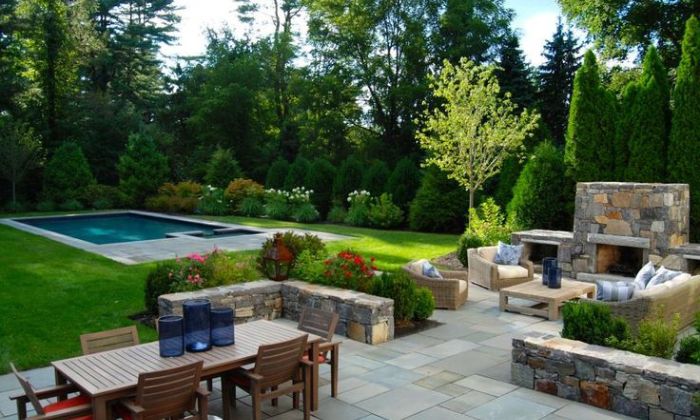
Hardscape installation is a great way to improve your outdoor space while adding value and function to your home. It uses non-living materials like stone, concrete, wood, and metal to create strong and attractive outdoor areas. You can build a patio, a walkway, or even an outdoor kitchen with hardscaping. In this article, we’ll share the best hardscape ideas and simple tips to help you plan and maintain your outdoor space.What is Hardscape Installation?Hardscape installation refers to the process of adding solid, non-plant-based features to your outdoor space. It includes the use of materials like pavers, stones, bricks, concrete, wood, and metal to create structures such as patios, walkways, retaining walls, and outdoor kitchens. Hardscaping works alongside softscaping (the planting of trees, shrubs, and flowers) to complete the overall Bay area landscaping design.Benefits of HardscapingHardscaping offers several benefits for homeowners. From aesthetic appeal to improved property value, these outdoor installations are highly versatile and functional.Aesthetic AppealHardscaping can transform a bland yard into a stylish outdoor living area. Materials like stone, concrete, and wood add texture and visual interest. Whether you want to create a rustic ambiance or a sleek, modern look, hardscaping gives you the tools to express your style.Increases Property ValueProperly designed and installed hardscaping features can increase the value of your home. A well-built patio or an outdoor kitchen can become a key selling point for potential buyers, adding both beauty and functionality to your property.Low-MaintenanceWhile lawns and gardens require regular upkeep, hardscaping materials such as patios, walkways, and retaining walls require minimal maintenance. This makes them an ideal option for homeowners looking for a low-maintenance outdoor space.Improves FunctionalityHardscaping makes your outdoor area more usable. Features such as pathways and patios help define spaces for outdoor entertaining, while outdoor kitchens and fire pits provide comfort and functionality for gatherings.Popular Hardscape Installation IdeasThere are numerous hardscaping features to consider when enhancing your outdoor space. Here are some popular hardscape installation ideas to get you started:Patios and Outdoor Living SpacesPatios are one of the most popular hardscaping features for homeowners looking to create an outdoor living space. A well-designed patio can become an extension of your home, offering a comfortable spot for dining, lounging, or hosting parties. Using materials like pavers, stone, or concrete, you can design a patio that complements your home’s aesthetic. Add a seating area, some outdoor furniture, and soft lighting to create the perfect outdoor retreat.Walkways and PathwaysWalkways and pathways are not only practical but can also enhance the flow of your outdoor space. Whether connecting your driveway to your front door or leading you through your garden, pathways help define areas and provide safe routes. Materials such as flagstone, cobblestones, or decorative pavers can be used to create beautiful paths that blend with the surrounding landscape.Fire Pits and Outdoor FireplacesAdding a fire pit or outdoor fireplace to your hardscape installation can create a cozy and inviting atmosphere. Fire features are perfect for year-round use, allowing you to gather with family and friends for warmth and ambiance. They also serve as a focal point for your outdoor space, complementing other hardscaping elements like patios and seating areas.Water FeaturesWater features like fountains, ponds, and waterfalls are an excellent way to bring a touch of tranquility and elegance to your hardscape design. The sound of running water can create a peaceful ambiance, while the visual appeal of flowing water adds movement and beauty. Whether integrated into your garden or as a standalone feature, water elements enhance the overall aesthetic of your outdoor space.Retaining WallsRetaining walls are essential for managing soil erosion and creating level surfaces in sloped yards. These walls also serve as a design element, providing visual interest and structural support. Whether you use stone, brick, or concrete, a retaining wall can help transform a sloped area into a functional and visually appealing space.Outdoor Kitchens and Dining AreasFor those who love to entertain, an outdoor kitchen is a dream come true. Incorporating features like a grill, sink, countertop space, and even a refrigerator, outdoor kitchens allow you to cook and dine outside. Pair your outdoor kitchen with a dining area, and you’ll have the perfect spot for family meals and social gatherings.Planning for Hardscape InstallationPlanning is a crucial part of any successful hardscape installation. Here’s how to approach the process:Define Your Goals: Before starting, think about how you want to use your outdoor space. Are you looking to create a relaxing retreat, a space for entertaining, or a practical area for gardening? Defining your goals will help you choose the right features for your yard.Choose Your Materials: Selecting the right hardscaping materials is key to the overall look and feel of your space. Consider options such as pavers, bricks, concrete, or natural stone for a durable and attractive finish. Match the materials to your home’s style for a cohesive look.Consider the Layout: The layout of your hardscaping features should complement the natural flow of your property. Work with a professional hardscape installer to design an arrangement that maximizes your space and enhances the functionality of the area.Step-by-Step Process of Hardscape InstallationHere’s an overview of the typical hardscape installation process:Site Preparation: The first step is to prepare the area for installation. This involves clearing the site of vegetation, leveling the ground, and ensuring proper drainage.Laying the Foundation: The next step is to lay the foundation. This often involves adding a layer of gravel or sand to create a stable base for the hardscaping materials.Installing the Hardscape Materials: Once the foundation is in place, the chosen materials (pavers, stones, or bricks) are laid down. This is where the design starts to take shape.Finishing Touches: After the materials are installed, finishing touches such as filling in gaps, compacting the surface, and sealing the materials are added to ensure durability and aesthetic appeal.Costs of Hardscape InstallationThe cost of hardscape installation varies based on the size of the project, the materials chosen, and the complexity of the design. On average, installing a paver patio or stone walkway can cost between $10

Our Client's Reviews

Copyright © 2025 | Localpro1 | All Rights Reserved.

English