
Author name: admin

Top-Quality Commercial Landscape Maintenance Solutions
Uncategorized

Commercial Landscape Maintenance | Top Services Every Business Needs

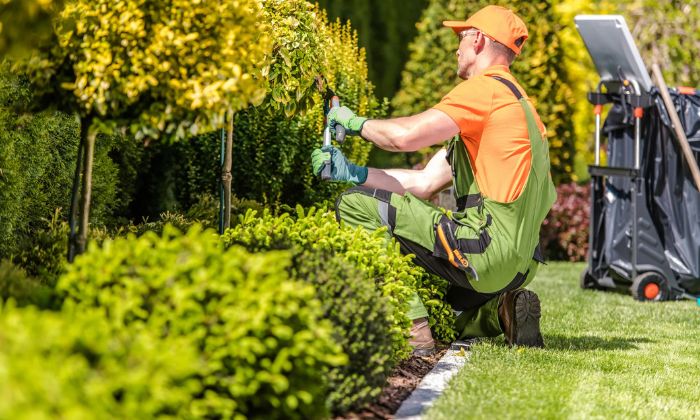
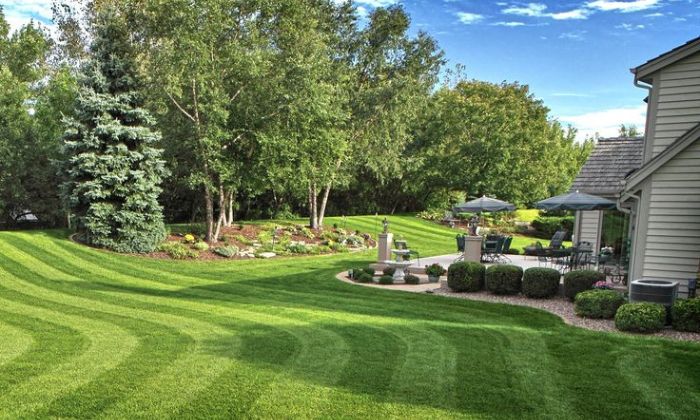
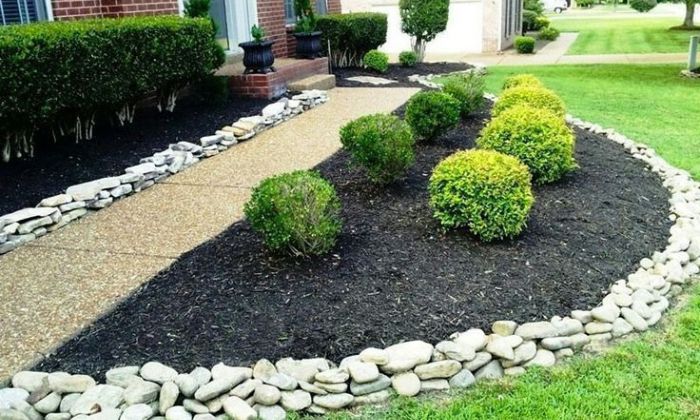
Commercial landscape maintenance involves the continuous upkeep and management of a commercial property’s outdoor environment. By leveraging Bay Area landscape services, businesses gain access to professional lawn care, strategic planting, efficient irrigation systems, regular trimming, and pest control solutions. These services help create attractive, functional outdoor spaces that leave a lasting impression on customers, clients, and employees. A well-maintained commercial landscape not only boosts curb appeal but also supports property value, promotes sustainability, and contributes to a productive and inviting business setting.Commercial Landscape Maintenance Services Commercial landscape maintenance at Lakota Design Group is designed to keep your property’s exterior consistently polished and inviting. We offer tailored solutions that align with your business’s image and operational needs, helping you present a professional and welcoming outdoor environment to clients, customers, and employees year-round.Core Services We Provide Lawn Care and MowingOur lawn maintenance programs keep your turf healthy, lush, and visually appealing. We provide regular mowing, edging, aeration, fertilization, and pest management to ensure long-term lawn vitality and curb appeal.Tree and Shrub PruningProper care for your trees and shrubs is essential. Our team delivers expert pruning and trimming services that promote strong growth, prevent overcrowding, and eliminate hazardous branches—enhancing both plant health and safety.Irrigation and Water EfficiencySmart water use is a cornerstone of sustainable landscape care. We design, install, and maintain advanced irrigation systems that distribute water efficiently. Seasonal adjustments ensure your landscape receives optimal hydration without waste.Seasonal Clean-Ups and Leaf ManagementFrom spring rejuvenation to autumn leaf control, our seasonal clean-up services keep your property looking tidy. We remove leaves, debris, and storm clutter to maintain a neat, professional look throughout the year.Why Choose Professional Commercial Landscape Maintenance Boost Your Property’s First ImpressionA visually appealing landscape speaks volumes about your business. Consistent upkeep enhances your brand image and sets a positive tone for clients, visitors, and team members.Save Time and Lower CostsProfessional services eliminate the hassle of managing an in-house landscaping team. With Lakota Design Group, you save on staffing, training, and equipment while benefiting from expert-level care and efficiency.Specialized ExpertiseOur landscape professionals are well-versed in the Bay Area’s unique climate, soil types, and vegetation. We use this local knowledge to provide tailored care—from pest prevention to sustainable planting strategies.Reliable, Year-Round ServicePartnering with Lakota Design Group ensures dependable, scheduled maintenance. No missed visits, no last-minute adjustments—just consistent, professional service every time.Advantages of Outsourcing vs. In-House Maintenance Lower OverheadIn-house landscaping teams come with significant costs—equipment, salaries, training, and benefits. Outsourcing is a budget-friendly alternative that provides expert care without long-term commitments.Top-Tier Equipment and KnowledgeWe use commercial-grade equipment and proven horticultural practices to maintain your landscape to the highest standards—resources that are often out of reach for in-house crews.Flexible and Scalable SolutionsWhether managing a large campus or a small storefront, our maintenance plans can scale to fit your needs. Adjust services seasonally or as your business evolves—without being tied down.Focus on What MattersBy outsourcing commercial landscape maintenance, your team can prioritize core business operations instead of managing groundskeepers or supervising outdoor work.Minimized Risk and LiabilityOur fully insured and trained professionals reduce your exposure to risk. From safe equipment use to compliance with local regulations, we handle every detail responsibly and efficiently.Importance of Commercial Property Landscape Maintenance Landscaping isn’t just about making a property look good—it’s about creating a lasting impression, improving functionality, and supporting sustainability. For businesses, commercial landscape maintenance goes beyond aesthetics; it’s an investment in brand image, customer attraction, safety, and environmental responsibility. Regular, professional care ensures that your property remains a valuable asset to your business and sends a positive message to everyone who interacts with it.First Impressions: How Landscaping Impacts the Image of a BusinessWhen clients, customers, or employees first approach your business, the landscape is often the first thing they see. A well-maintained property creates an image of professionalism, care, and attention to detail. On the other hand, overgrown lawns, unkempt shrubs, or neglected areas can send the wrong message—making your business appear disorganized or uninterested in presenting itself well.Why it matters: Trust and Credibility: A neat, welcoming environment helps build trust with your customers. A well-cared-for landscape suggests that you take pride in your business and care about the overall customer experience. Brand Image: Landscaping is an extension of your brand’s identity. Thoughtfully chosen plants, trees, and outdoor design elements can reflect the values of your business whether it’s sophistication, eco-friendliness, or modernity. First Impressions Stick: Studies show that first impressions are made within seconds, and a well-maintained exterior can set the tone for the relationship that follows. Enhancing Curb Appeal and Attracting CustomersCurb appeal refers to the attractiveness of your property from the street. It directly affects the way people perceive your business. A well-maintained landscape can increase foot traffic, attract new customers, and even make your location more desirable for business partnerships or tenants if you’re a property owner.How landscaping boosts curb appeal: Color and Texture: Strategic planting of colorful flowers, shrubs, and trees can add vibrancy and life to your property, drawing the eye and creating a welcoming atmosphere. Tidy and Inviting: A clean, orderly landscape invites people to approach and engage with your business. Unkempt lawns or poorly maintained parking areas can discourage potential customers from entering. Enhanced Visibility: Proper landscaping, including well-placed signage, can make your business easier to spot and more memorable. Clear sightlines and neat, organized surroundings enhance visibility and brand recognition. Environmental Benefits: Sustainability and Eco-Friendly PracticesCommercial landscape maintenance goes hand-in-hand with sustainability, offering many opportunities for businesses to reduce their environmental impact. By implementing eco-friendly landscaping practices, businesses can help conserve resources, promote biodiversity, and even enhance their reputation as an environmentally responsible organization.Eco-friendly landscaping practices include: Water Conservation: Implementing efficient irrigation systems, such as drip irrigation or smart controllers, ensures water is used effectively, reducing waste and costs. Native Plants: Using native plants and drought-resistant species in landscaping reduces water usage and supports local ecosystems. Native plants are typically easier to maintain, requiring fewer pesticides or fertilizers. Sustainable Materials: Opting for sustainable materials like recycled pavers, eco-friendly mulch, and low-impact hardscaping
garden fences
Uncategorized

Garden Fences | Protect and Beautify Your Outdoor Space

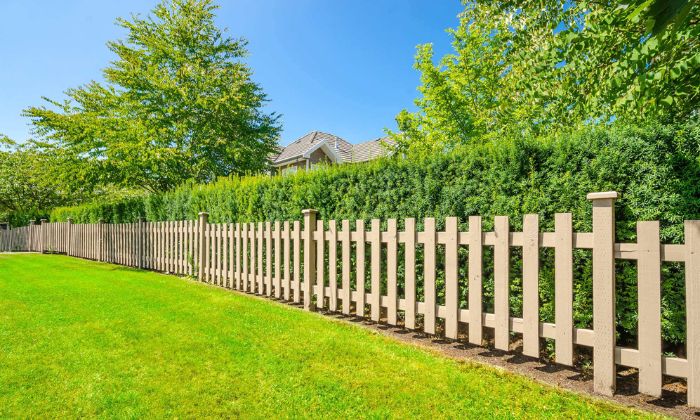
Garden fences do more than just mark boundaries—they bring both style and purpose to your outdoor space. Whether you’re trying to keep your vegetable garden safe or simply want to add a little charm to your backyard, the right fence can make all the difference. From adding privacy to increasing curb appeal, a well-designed garden fence helps define your space while giving it a polished, welcoming look.Types of Garden Fences Wooden Garden FencesWooden garden fences are a timeless option, adding warmth and natural beauty to any outdoor space. With the expertise of Bay Area landscaping, these fences can be designed to complement your garden perfectly, offering various styles such as picket or horizontal slat designs to match different aesthetics. Bay Area landscaping professionals ensure that your wooden fence not only provides privacy but also enhances the garden’s charm, blending seamlessly with greenery. While regular upkeep, such as sealing or painting, is required to protect against rot, pests, and weathering, their classic appeal and versatility make them a popular choice. With proper care, wooden fences can last for years while elevating your garden’s overall look.Metal Garden FencesWooden garden fences bring timeless charm and versatility, with designs like picket and slat styles. However, they need regular maintenance to prevent rot and weather damage. In contrast, metal garden fences, such as iron or wire options, provide durability and an elegant aesthetic. Ideal for cottage gardens or as deer protection, they may cost more upfront but offer a long-lasting solution. Both types enhance garden appeal while serving practical purposes.Vinyl and PVC Garden FencesVinyl and PVC garden fences are a durable, low-maintenance option, perfect for modern landscaping design. Resistant to weathering, these fences maintain their appearance over time without the need for regular painting or sealing. They come in a variety of designs, including the timeless white picket style, blending aesthetics with practicality. Ideal for homeowners seeking a long-lasting fencing solution, vinyl and PVC offer excellent durability while requiring minimal upkeep.Bamboo and Natural FencesBamboo and natural fences offer an eco-friendly, rustic charm to gardens. Made from sustainable materials, they are perfect for small spaces, adding warmth and character while harmonizing with the natural surroundings. These fences are not only functional but also visually appealing, creating a cozy, inviting atmosphere. Ideal for those seeking an environmentally conscious option, bamboo fences provide privacy and protection without disrupting the landscape’s natural beauty. Their lightweight yet sturdy design makes them easy to install and maintain, making them a practical and stylish choice for enhancing any garden’s aesthetic while promoting sustainability. With professional landscape installation, these fences can seamlessly integrate into your outdoor space, enhancing its overall appeal.Benefits of Installing a Garden Fence Improved Privacy and SecurityA garden fence enhances privacy by shielding your yard from prying eyes, creating a more secluded and comfortable outdoor space. It also boosts security, serving as a physical barrier that deters intruders and unauthorized access. This added protection ensures peace of mind, especially for homes in busy neighborhoods. Additionally, a fence helps keep pets and children safely contained within your property, reducing the risk of them wandering off or encountering potential dangers. By combining privacy and security, a garden fence not only safeguards your home but also provides a sense of personal space and safety for your family.Enhanced Curb Appeal and Property ValueGarden fencing not only enhances your outdoor space but also boosts your home’s curb appeal and value. A thoughtfully designed and well-installed fence serves as a stylish backdrop, creating a more defined and polished look for your garden. This upgrade attracts potential buyers by improving the property’s overall aesthetic, making it stand out in the neighborhood. Whether you choose classic wood, sleek metal, or modern vinyl, a quality fence adds character and charm while providing functional benefits like privacy and security. Ultimately, it’s a smart investment that elevates both the beauty and market value of your property.Defined Garden BoundariesGarden fences help define the boundaries of your property, creating a clear distinction between your space and others. This is particularly beneficial in shared environments like community gardens, where precise demarcation prevents confusion or disputes. By installing a fence, you ensure privacy and security, while also establishing ownership or usage rights. Fences can also enhance the visual appeal of your garden, offering a structured and organized look. Additionally, they act as barriers to keep pets and small children safe within your area and deter intruders or unwanted animals from entering, contributing to a more secure and harmonious garden space.Protection from Pests and AnimalsFences provide essential protection for your garden by acting as a physical barrier against pests and larger animals. These animals, such as deer, rabbits, and rodents, can damage plants, chew on vegetation, and disrupt the garden’s ecosystem. By installing a fence, you can prevent these animals from entering the garden area, allowing your plants to grow undisturbed. Fences can be designed to suit various needs, whether you’re keeping out small pests or larger creatures, ensuring a healthier, more productive garden by minimizing the risk of animal-related damage. This protection is especially valuable for maintaining the integrity of crops and ornamental plants.Factors to Consider When Choosing a Garden Fence Purpose of the FenceThe purpose of a fence is essential in determining the type and style that best suits your needs. If you seek privacy, a tall, solid fence provides seclusion from neighbors. For security, a sturdy, potentially gated fence helps deter intruders. If aesthetics are a priority, decorative fences enhance your property’s appearance while offering some function. If protecting your vegetable garden is the goal, a lower, durable fence may keep animals out. Understanding your main reason for installing a fence will help you choose the material, height, and design that aligns with your specific needs.BudgetThe cost of garden fencing varies based on the material and size. Wooden and wire fences are usually more affordable, making them a popular choice for budget-conscious homeowners. These options, however, may require more maintenance over time. On the other hand, metal and vinyl fences tend to be more expensive

french drain installation
Uncategorized

French Drain Installation | What You Need to Know

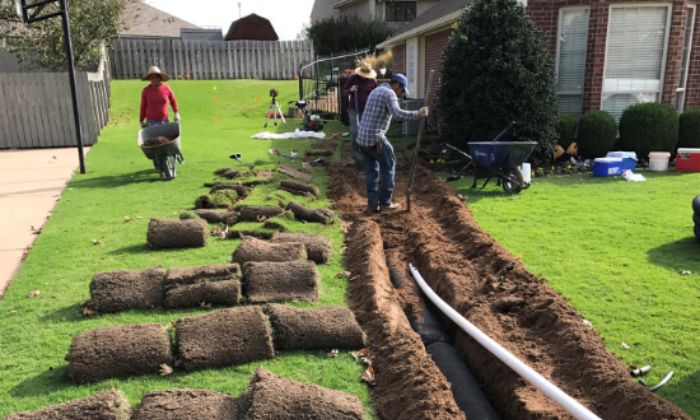
French drain installation is a practical and effective solution for managing excess water on your property. Whether you’re dealing with standing water, surface water issues, or water damage in your basement, installing a French drain can protect your home and landscape. This guide will walk you through everything you need to know about French drains, their benefits, types, installation, and maintenance.What Is a French Drain?A French drain is a drainage system designed to redirect water away from areas where it might cause damage. It consists of a trench filled with gravel or rock and a perforated pipe that channels water to a safe outlet. The system effectively manages drainage problems and prevents surface water or groundwater from accumulating.When and Why You Need a French Drain When to Install a French Drain Persistent standing water in your yard. Water pooling near your home’s foundation. Drainage problems in your driveway or landscaping. Water damage or moisture issues in your basement or crawl space. Why You Need a French Drain Protects your foundation from water damage. Prevents erosion in landscaped areas. Redirects water from problem areas to avoid costly repairs. Reduces reliance on sump pumps for managing interior water issues. Types of French DrainsThere are several types of French drains, each designed for specific purposes.Surface French DrainsA surface French drain is a shallow drainage system designed to manage surface water effectively. With the expertise of Bay Area landscape design, this system can be seamlessly integrated into your outdoor space, enhancing both functionality and aesthetics. Installed just below the ground, it collects and redirects water away from areas prone to pooling, such as driveways, patios, or low-lying spots. Bay Area landscape design professionals ensure the trench, filled with gravel and a perforated pipe, is properly installed to channel water away, preventing erosion, flooding, or water damage. This practical solution improves water flow and protects outdoor spaces, keeping your property dry and well-maintained.Subsurface French DrainsSubsurface French drains are underground drainage systems designed to manage groundwater effectively. Installed deeper than traditional surface drains, they help redirect water away from areas prone to flooding, such as basements. These drains typically consist of perforated pipes surrounded by gravel or sand, which allow water to flow into the pipe while filtering out debris. By channeling excess groundwater to a safe discharge point, subsurface French drains prevent water from seeping into building foundations or basements, reducing the risk of structural damage and mold growth. They are a practical solution for areas with high water tables or persistent drainage issues.Curtain DrainsCurtain drains are a hybrid drainage system designed to intercept and redirect water flow before it reaches a targeted area. They are particularly effective for protecting gardens, slopes, and septic systems from water accumulation or erosion. These drains typically consist of a trench filled with gravel and a perforated pipe that collects and channels water away from vulnerable areas. By preventing water from saturating the soil, curtain drains help maintain structural integrity, promote proper drainage, and protect landscaping features. Ideal for managing surface and shallow subsurface water, they are a practical solution for areas prone to excessive moisture or runoff.Choosing the Right TypeSelecting the right French drain depends on the drainage challenges specific to your property. For minor surface water issues, a shallow French drain might suffice, while deeper systems are ideal for addressing significant groundwater problems. Understanding soil type, water flow patterns, and landscaping can influence the choice. Consulting drainage professionals is crucial, as they can assess your property’s conditions and recommend the most effective solution. They ensure the system is designed and installed properly, preventing future issues. Investing time in selecting the correct type of French drain guarantees optimal performance, protecting your property from water damage and enhancing durability.Advantages of Installing a French Drain Prevents Water DamageA French drain is an effective solution to prevent water damage and protect your home’s structure. By directing excess water away from your property, it minimizes the risk of water infiltration that can lead to cracks, mold, and foundational issues. Installed in areas prone to pooling water, this drainage system collects and redirects water through a perforated pipe surrounded by gravel. This proactive measure safeguards your basement, walls, and foundation from moisture-related problems, ensuring long-term durability. Whether from heavy rainfall or groundwater buildup, a French drain keeps your home dry and secure, preventing costly repairs and preserving structural integrity.Cost-Effective SolutionA French drain is a cost-effective way to address drainage issues without breaking the bank. Unlike costly landscaping overhauls or extensive foundation repairs, installing a French drain provides a practical and affordable solution. It works by redirecting water away from areas prone to pooling or flooding, protecting your property from water damage. The installation process is relatively straightforward and involves less disruption than other methods, keeping labor and material costs manageable. By preventing long-term issues like soil erosion or foundation damage, a French drain offers a proactive, budget-friendly approach to maintaining the health and stability of your property.VersatilityFrench drains are highly versatile and can be adapted to suit different needs. They efficiently manage water in various settings, such as preventing basement flooding with interior French drains or directing runoff away from homes. For driveways, they control excess water, reducing erosion and ensuring a stable surface. Their design can be customized based on the location, drainage volume, and specific requirements, making them an ideal solution for residential and commercial properties. Whether addressing yard drainage, protecting foundations, or managing water near driveways, French drains offer a flexible, reliable approach to water control in diverse environments.Improves LandscapingImproving drainage is essential for enhancing your landscape design. Proper drainage prevents waterlogging, which can damage plants, grass, and soil structure. It ensures that excess water flows away from your garden, avoiding erosion and puddling that harm the aesthetics and usability of your outdoor spaces. With effective drainage systems, such as French drains or strategically placed channels, you can maintain healthy plant roots and reduce the risk of diseases caused by standing water. Additionally, well-drained landscapes are easier to maintain and more

Commercial Landscape Maintenance Services
Uncategorized

Enhance Your Space with Commercial Landscaping Services

Commercial landscaping services are essential for transforming outdoor spaces into beautiful, functional, and eco-friendly environments. From office buildings to shopping centers, these services provide comprehensive solutions for creating and maintaining landscapes that reflect the professionalism and values of a business. In this article, we will explore the various aspects of commercial landscaping services, their benefits, and how to select the right provider for your needs. What Are Commercial Landscaping Services?Commercial landscaping services encompass a range of tasks aimed at designing, installing, and maintaining outdoor spaces for businesses, public areas, and commercial properties. These services are tailored to enhance the aesthetic appeal, functionality, and sustainability of landscapes, making them welcoming for clients, employees, and visitors.Types of Commercial Landscaping Services Landscape Design and PlanningLandscape Design and Planning involves crafting a tailored plan to optimize outdoor spaces. Experts assess property layouts, environmental conditions, and business objectives to create visually appealing and functional designs. This service includes selecting appropriate plants, deciding on feature placements, and ensuring the design reflects your brand’s identity. By integrating aesthetics with practicality, landscapers aim to enhance the property’s value and appeal while addressing environmental sustainability.Landscape InstallationLandscape installation brings a design to life by implementing planned elements. With the help of a professional Bay Area landscaping service, this process involves planting trees, shrubs, and flowers while integrating features like pathways, lighting, and water elements. Skilled commercial landscapers from a trusted Bay Area landscaping service ensure precision and efficiency, adhering to the approved design. Their expertise guarantees proper placement and execution, optimizing aesthetics and functionality. With attention to detail, they handle tasks like soil preparation, irrigation setup, and material selection, ensuring a seamless transformation. Professional installation not only enhances the property’s appearance but also adds value and long-term usability. The process is essential for creating cohesive, visually appealing landscapes that meet both design and practical goals.Landscape ConstructionLandscape construction is essential for larger projects like patios, retaining walls, or fountains. It transforms complex designs into reality using heavy machinery and skilled labor. This process involves site preparation, material selection, and precise execution to ensure durability and aesthetics. Professionals handle tasks such as grading, excavation, and installation of hardscape features, ensuring the project meets both functional and design requirements. The construction phase requires expertise to seamlessly integrate structures into the surrounding environment while maintaining safety and efficiency. Whether enhancing outdoor living spaces or adding focal points, landscape construction elevates the property’s beauty and usability.Lawn Care and MaintenanceLawn care and maintenance are essential for keeping grass lush and healthy. Regular tasks like mowing, fertilizing, aerating, and weed control promote vibrant growth and prevent damage. These practices ensure your lawn remains visually appealing and resilient against pests or diseases. Professional commercial lawn care services take it further by providing expert care tailored to your lawn’s specific needs, ensuring consistent health and appearance over time. Whether for homes or businesses, proper lawn maintenance boosts curb appeal and creates a welcoming outdoor space. Investing in regular care is key to enjoying a thriving, well-maintained lawn year-round.HardscapingHardscaping involves incorporating non-living elements into outdoor landscaping, such as pathways, patios, retaining walls, and decorative stone features. Unlike soft scaping, which focuses on plants and greenery, hardscaping provides structure, durability, and functionality to outdoor spaces. It enhances aesthetics while creating practical areas for walking, seating, or entertaining. Materials like stone, concrete, brick, or wood are commonly used, offering various design possibilities. Hardscaping can also improve property value, manage soil erosion, and define outdoor zones. By balancing hardscaping with greenery, you can create a cohesive and visually appealing landscape that’s both beautiful and functional for everyday use.Irrigation SystemsIrrigation systems are essential for healthy landscapes, delivering the right amount of water to plants and lawns. Professionals design and manage these systems to ensure efficient watering tailored to specific needs. Advanced irrigation technologies, like drip systems and smart controllers, enhance water conservation, making them perfect for eco-conscious businesses. Proper irrigation not only supports lush, thriving greenery but also prevents overwatering and waste, promoting sustainability and reducing water bills. By investing in a well-planned irrigation system, landscapes remain vibrant year-round, reflecting care and professionalism while aligning with environmental responsibility.Tree and Shrub CareTree and shrub care involves maintaining the health and appearance of these essential landscape features. Key services include pruning to promote growth, fertilization to enrich soil nutrients, pest control to prevent infestations, and disease management to ensure vitality. Proper care enhances the aesthetic and ecological value of your outdoor space, making it lush and inviting. Professional tree care services are designed to address the unique needs of different species, ensuring they thrive throughout the year. By investing in regular maintenance, you protect your landscape’s long-term beauty and functionality while supporting a healthy environment.Benefits of Professional Commercial Landscaping Services Expertise and ExperienceProfessional landscapers possess extensive expertise and experience, making them invaluable for commercial landscaping projects. Their in-depth knowledge covers diverse plant types, soil conditions, and design techniques tailored to various property requirements. With years of hands-on practice, they can assess the unique needs of each site, offering customized solutions to enhance aesthetic appeal and functionality. Their technical skills ensure the implementation of efficient irrigation systems, proper drainage, and sustainable practices. Additionally, they stay updated on industry trends, guaranteeing high-quality results that align with modern standards. Hiring professionals ensures your landscape not only thrives but also adds lasting value to your property.Time and Resource EfficiencyMaintaining outdoor spaces requires significant time and resources, from regular mowing to seasonal cleanups. Property managers can free up time and reduce the strain on resources by hiring a professional landscaping company. Experts handle all aspects of landscape care, ensuring the property looks pristine without requiring constant attention from the manager. This allows property managers to focus on other important responsibilities, improving overall operational efficiency. Additionally, professionals bring expertise in maintaining a healthy, aesthetically pleasing landscape while using resources effectively, saving money and reducing waste over time. This approach enhances both time and resource efficiency for property management.Customization According to Business NeedsProfessional landscaping services provide tailored solutions to meet the specific needs of each

landscaping contractor
Uncategorized

The Ultimate Guide to Hiring a Landscaping Contractor

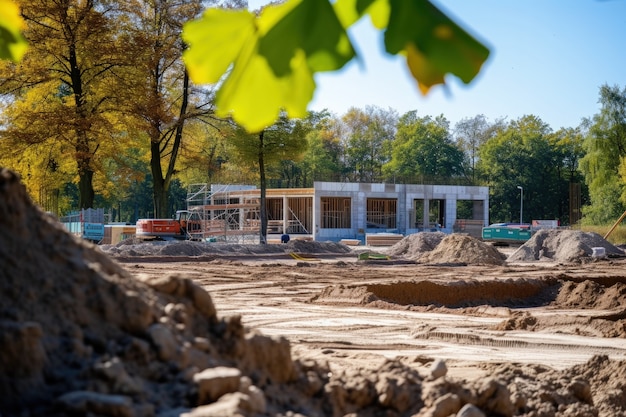
When it comes to transforming your outdoor space, hiring the right landscaping contractor can make all the difference. Whether you’re looking to enhance your garden, install new irrigation systems, or create beautiful hardscaping features, a professional landscape contractor has the expertise and experience to bring your vision to life. This guide will walk you through the essential steps to hiring a landscaping contractor, highlighting the services they offer and how to choose the right one for your property.What Is a Landscaping Contractor?A landscaping contractor is a professional who specializes in the design, installation, and maintenance of outdoor spaces. With expertise in landscape construction Bay Area, they provide a wide range of services, from designing custom landscapes to building hardscaping elements like retaining walls and outdoor lighting. Contractors specializing in landscape construction Bay Area offer tailored solutions for both residential and commercial properties, ensuring that your outdoor areas are functional, aesthetically pleasing, and sustainable.Why Hire a Professional Landscaping Contractor?Hiring a professional landscaping contractor comes with several benefits. While DIY landscaping might seem like a cost-effective option, it often leads to more time-consuming and expensive mistakes. A professional contractor brings several advantages:Expertise: Landscaping contractors have specialized knowledge in landscape design, irrigation systems, hardscaping, and maintenance.Time-saving: Professional landscapers can complete projects faster and more efficiently, saving you time.Long-term value: Hiring a professional ensures high-quality work that adds long-term value to your property.Sustainability: Professionals can help you incorporate sustainable landscaping practices, like water-efficient irrigation systems and eco-friendly materials.Key Services Provided by Landscaping ContractorsLandscaping contractors offer a variety of services to meet the unique needs of your property. These include:Landscape Design and PlanningOne of the first steps a landscaping contractor will take is to help you design and plan your outdoor space. This involves assessing your property, understanding your goals, and creating a plan that incorporates both functionality and beauty. A landscape architect may be involved in this process, especially for larger or more complex projects. The landscape design will address elements like plant placement, walkways, lighting, and drainage systems.Professional Landscape InstallationOnce the design is finalized, the contractor will handle the professional landscape installation. This includes planting trees, shrubs, flowers, and installing grass or sod. The installation process also involves setting up irrigation systems, ensuring proper drainage, and placing hardscaping features like retaining walls, patios, or walkways.Hardscaping ServicesHardscaping refers to the non-plant elements of your landscape, such as patios, decks, driveways, and retaining walls. Hardscaping services are often essential to creating a functional outdoor space, especially if you’re looking to add structure or definition to your property. Landscape contractors with experience in hardscaping will use high-quality materials and skilled craftsmanship to build lasting features.Landscape ConstructionLandscape construction includes the more detailed aspects of creating your outdoor space, such as building structures like pergolas, arbors, fire pits, and water features. These elements are designed to enhance the overall appeal of your property and provide functional spaces for relaxation and entertainment.Landscape MaintenanceAfter the installation phase, ongoing landscape maintenance is crucial for keeping your property looking its best. Landscape contractors offer regular maintenance services, including mowing lawns, trimming hedges, weeding gardens, and maintaining irrigation systems. Regular maintenance ensures that your outdoor spaces stay healthy, vibrant, and well-kept.Sustainable LandscapingWith growing concerns over environmental impact, many homeowners are opting for sustainable landscaping solutions. Sustainable landscaping focuses on using native plants, water-efficient irrigation systems, and eco-friendly materials. A good landscaping contractor can guide you in implementing these practices to create a sustainable and low-maintenance landscape.How to Choose the Right Landscaping ContractorSelecting the right landscaping contractor is essential to the success of your project. Here are some factors to consider:Licensing and InsuranceBefore hiring any landscaping contractor, ensure they are licensed and insured. A licensed contractor will meet local requirements and have the necessary training to handle the job professionally. Insurance protects you and the contractor in case of accidents or damages during the project. Verifying credentials gives you peace of mind that you’re hiring a reputable professional.Experience and SpecializationDifferent contractors may specialize in various aspects of landscaping. Some may be experts in landscape design, while others specialize in hardscaping or maintenance. It’s important to match the contractor’s experience with your project needs. For example, if you’re looking to install a complex irrigation system, a contractor with experience in that area will be ideal.Portfolio and ReferencesAlways ask for a portfolio of previous projects. This gives you a clear idea of the contractor’s style and the quality of their work. Additionally, check references and online reviews. A reputable contractor should be willing to provide contact information for past clients who can vouch for their professionalism and quality of work.Budget and EstimateDiscuss your budget upfront with the landscaping contractor and ask for a detailed estimate. Make sure the estimate includes all aspects of the project, from materials to labor costs, so there are no surprises later. Be cautious of contractors who provide vague pricing or don’t offer written estimates.Communication and ReliabilityGood communication is essential to a successful landscaping project. The contractor should be easy to reach, responsive to your questions, and willing to listen to your needs. A reliable contractor will also adhere to agreed-upon timelines and keep you updated on the progress of your landscape project.Common Mistakes to Avoid When Hiring a Landscaping ContractorTo ensure your project goes smoothly, avoid these common mistakes:Failing to Set Clear Expectations and GoalsBefore the project begins, clearly communicate your goals, budget, and timeline to the contractor. Setting clear expectations ensures that both parties are on the same page and can avoid misunderstandings during the project.Ignoring Licensing, InsuranceNever hire a contractor who cannot provide proof of licensing and insurance. Additionally, always sign a written contract that outlines the scope of the work, timeline, and costs. This protects both you and the contractor.Not Doing Enough Research on Contractor ReputationDo thorough research on any contractor you’re considering. Check reviews, ask for references, and ensure that their past work aligns with your expectations. A contractor with a strong reputation is more likely to deliver quality work.Underestimating the Importance of a Detailed Project

artificial-grass-installation
Uncategorized

Affordable Artificial Grass Installation Services

Artificial grass installation has become an increasingly popular choice for homeowners, businesses, and sports facilities seeking a low-maintenance, sustainable, and aesthetically pleasing lawn. Whether you are considering synthetic grass for your backyard, commercial property, or sports field, the benefits are hard to ignore. This article will discuss the advantages of artificial grass, the steps involved in its installation, and tips to ensure you get the best value for your investment. We will also touch on the cost of artificial grass installation and how Lakota Design Group can help you achieve a beautiful, low-maintenance lawn.Benefits of Artificial Grass Low MaintenanceArtificial grass offers low maintenance, making it a popular choice for homeowners. With Bay Area landscaping expertise, professional landscape installation ensures that artificial turf is perfectly laid out, providing a virtually maintenance-free solution. Unlike natural grass, which requires regular watering, mowing, and fertilizing, artificial turf doesn’t need any watering, reducing water bills and conserving resources. It also eliminates the need for mowing, saving time and effort. Additionally, artificial grass remains lush and green throughout the year, regardless of weather conditions. This makes it a convenient, cost-effective, and eco-friendly option for maintaining a beautiful lawn without the hassle of traditional lawn care.Durability and Long LifespanArtificial grass is highly durable and can endure harsh weather conditions, making it a long-lasting alternative to natural grass. With proper maintenance, synthetic turf can last 15 to 20 years, depending on factors like turf quality and installation. Its ability to withstand heavy foot traffic, UV exposure, and varying weather ensures a consistently well-maintained lawn with minimal wear and tear. This longevity makes artificial grass a cost-effective, low-maintenance choice for homeowners looking for a durable and attractive lawn solution over the long term.Eco-FriendlyArtificial grass is an eco-friendly choice because it conserves water, particularly in drought-prone regions, by eliminating the need for frequent watering. This significantly reduces water usage. Moreover, artificial turf eliminates the need for pesticides and fertilizers, which are often harmful to the environment. By choosing artificial grass, you contribute to a reduction in chemical runoff and the preservation of natural resources, making it a sustainable alternative to traditional grass lawns. The reduced maintenance and lower environmental impact make it an ideal choice for those looking to minimize their ecological footprint.Aesthetic AppealArtificial grass offers a consistently vibrant, green lawn that enhances the aesthetic appeal of any outdoor space. Unlike natural grass, which can suffer from patches or browning during dry periods, artificial turf remains lush and even throughout the year. This low-maintenance solution ensures a pristine appearance in all weather conditions, making it perfect for homeowners and businesses seeking an attractive, hassle-free landscape. With artificial grass, you can enjoy a beautiful, green lawn year-round without the constant upkeep required by traditional grass, making it a convenient and visually appealing option for outdoor areas.Pet and Child-FriendlySynthetic grass is an excellent choice for families with pets and children. It provides a soft, safe surface for play, minimizing the risk of injury. Unlike natural grass, artificial turf is durable and can withstand the wear and tear caused by pets running around or kids playing games. Additionally, it doesn’t attract pests like fleas, ticks, or mosquitoes, offering a cleaner and healthier environment. This low-maintenance option ensures that both pets and children can enjoy outdoor activities without the concerns associated with traditional lawns.How to Install Artificial Turf Grass on Dirt or SoilThe process of installing artificial grass involves several key steps to ensure a durable and high-quality result. Whether you are handling the installation yourself or hiring a professional, understanding the process will help you make informed decisions.Step 1: Clear the AreaClear the Area involves preparing the ground for artificial grass installation. Begin by removing any existing grass, weeds, or debris that may hinder the process. This step is crucial to create a clean, stable surface for the turf. Ensure all organic materials are cleared to prevent uneven installation. Additionally, laying down a weed barrier helps block weeds from growing through the synthetic grass later on, ensuring long-term maintenance and a tidy, durable surface for your artificial lawn. This foundational step is key for a successful and lasting installation.Step 2: Prepare the SubbaseStep 2 involves preparing the subbase by compacting the ground to ensure proper drainage and stability. This prevents the artificial turf from shifting over time. A stable foundation is created using base materials like crushed rock or gravel. The compacted base helps water flow efficiently, avoiding pooling or uneven surfaces. Additionally, a weed barrier is laid at this stage to prevent unwanted plant growth beneath the turf, ensuring the longevity and neat appearance of the artificial lawn. This step is crucial for creating a solid foundation that supports the turf’s performance and durability.Step 3: Laying the Artificial GrassLaying the Artificial Grass involves rolling out the turf over the prepared subbase. Carefully cut the grass to match the dimensions of the space, ensuring a precise fit. It’s essential to align the grass blades in the same direction to achieve a natural appearance. If the area is large, you may need to join multiple sections of turf. Be sure to trim the edges neatly for a seamless look. This step is crucial for creating a realistic and well-fitted artificial lawn that blends seamlessly into the surroundings.Step 4: Securing the GrassSecuring the Grass involves ensuring the artificial turf stays in place. The seams of the grass should be joined carefully using either adhesive or nails, based on the type of turf. Proper fastening is crucial to prevent the grass from shifting or moving over time. Securing the turf effectively helps maintain its appearance and longevity, ensuring it stays in place even with heavy use or weather conditions. This step is essential to prevent the grass from bunching, lifting, or becoming uneven, which could affect both the look and functionality of the artificial lawn.Step 5: Infill and Finishing TouchesInfill and Finishing Touches involve adding a layer of infill, usually made from sand or rubber to the artificial grass. This helps weigh the turf down and

irrigation system repair
Uncategorized

Best Irrigation System Repair for Your Lawn

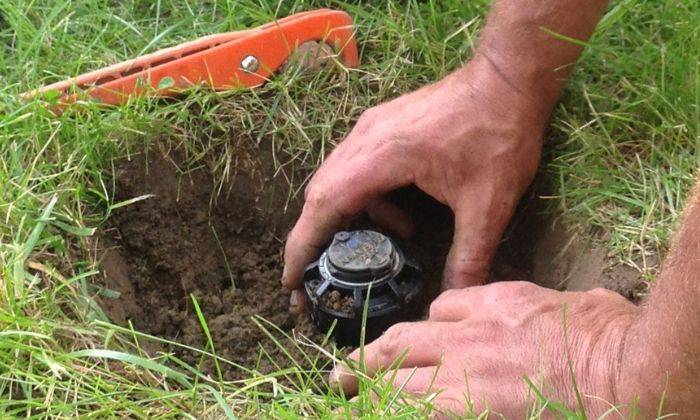
A well-maintained irrigation system is the secret to a lush, vibrant lawn. Timely irrigation system repair not only prevents water waste but also saves you from costly damage while ensuring your yard stays healthy all year long. Whether you use sprinklers, drip irrigation, or soaker hoses, knowing how to spot and fix problems early can save you time, money, and unnecessary stress.In this guide, we’ll dive into the different types of irrigation systems, highlight common issues, and provide easy-to-follow irrigation system repair tips. Plus, we’ll share expert maintenance hacks to help your system run at its best. Ready to boost efficiency, conserve water, and keep your landscape looking stunning? Let’s get started!Types of Irrigation SystemsSprinkler Systems Sprinkler systems are widely used for lawn irrigation, offering an efficient way to water large yards. They use spraying heads to evenly distribute water, mimicking natural rainfall for optimal lawn hydration. Regular maintenance is essential to ensure proper functioning, as issues like broken heads or clogged nozzles can disrupt water flow and efficiency. These systems are highly effective but may require professional setup and periodic adjustments to avoid water waste and maintain performance. Ideal for expansive lawns, sprinkler systems provide convenience and uniform coverage, making them a popular choice for homeowners seeking a healthy and lush landscape.Drip Irrigation Systems Drip irrigation systems deliver water directly to plant roots, offering efficient water use with minimal waste. Perfect for gardens, flower beds, and landscapes, these systems maintain soil moisture without overwatering. By using emitters or tubes, they reduce evaporation and runoff, fostering healthy plant growth. However, issues like clogged lines, leaks, or uneven water distribution can hinder efficiency, making regular maintenance essential. Proper installation and routine cleaning can prevent these problems. Drip irrigation conserves water, supports sustainability, and provides an eco-friendly, cost-effective solution for watering plants and crops effectively.Soaker Hoses  Soaker hoses offer an affordable and efficient way to water your garden. They gradually release water along their length, making them ideal for flower beds, vegetable gardens, and other planted areas. This design helps deliver water directly to the soil, minimizing evaporation and conserving water. However, soaker hoses require regular maintenance, as they can develop leaks or blockages over time due to wear or debris buildup. While these issues are common, irrigation system repair can keep your soaker hose functioning efficiently. By regularly inspecting and cleaning the hose, you can extend its lifespan and ensure consistent, healthy watering for your plants.Common Irrigation System Problems  Even the best yard irrigation system can face issues. Below are some common problems:  Clogged Sprinkler Heads: Dirt and debris can block the spray, reducing water flow.  Leaking Pipes or Hoses: Cracks or wear in the system lead to water wastage.  Broken Sprinkler Heads: Sprinkler heads can break due to lawnmowers or foot traffic.  Malfunctioning Timers/Controllers: Controllers and valves may fail, disrupting the watering schedule.  Water Pressure Problems: Inconsistent pressure affects the performance of watering systems.  How to Identify Irrigation System Problems  Identifying issues early can prevent costly repairs. Here’s how to spot common problems:  Uneven Watering: Check for dry spots or overly wet areas.  Visible Leaks: Look for water pooling or wet soil near pipes.  Low Water Pressure: Inspect for weak spray from spraying heads.  Controller Issues: Ensure timers are programmed correctly and functioning.  Broken Parts: Examine valve boxes and sprinkler heads for visible damage.  Step-by-Step Guide to Irrigation System Repair  Follow these steps for effective irrigation repair:  Shut Off the Water Supply  Before starting any plumbing repairs, it’s crucial to shut off the main water supply. This prevents water from flowing through the pipes, reducing the risk of leaks or flooding during the process. Locate your home’s main water valve, which is often found near the water meter or where the main line enters the house. Turn the valve clockwise to close it completely. Once shut, open a faucet to release any remaining water pressure in the pipes. Taking this step ensures a safe, controlled environment for repairs and avoids potential water damage to your property.Inspect for Visible Damage Inspect your irrigation system carefully for visible damage to ensure it operates efficiently. Look closely at pipes for any cracks or leaks that might cause water loss or reduced pressure. Examine valves to ensure they’re not broken or stuck, as this could disrupt water flow. Additionally, check sprinkler heads for damage, such as chips, cracks, or misalignment, which may affect their spray pattern. Damaged components can lead to inefficient watering, higher water bills, or harm to your plants. Promptly identifying and fixing these issues ensures your system runs smoothly and maintains the health of your lawn or garden.Clean or Replace Clogged Sprinkler Heads To address clogged sprinkler heads, begin by turning off the water supply and inspecting the heads for dirt or debris. Carefully remove any blockages using a soft brush or a thin tool like a needle. Rinse the head thoroughly to ensure all obstructions are cleared. Reinstall the cleaned sprinkler head and test the system. If the sprinkler still malfunctions after cleaning, replacement may be necessary. Purchase a compatible head and install it following the manufacturer’s instructions. Regularly checking and maintaining your sprinkler heads prevents clogs, ensuring efficient water flow and proper lawn care.Repair or Replace Broken PipesWhen a pipe is damaged, assess whether it requires a repair or complete replacement. Start by locating the broken section, ensuring the water supply is turned off to avoid leaks or further damage. For minor cracks, use pipe repair kits or epoxy to patch the area. For severe damage, cut out the broken section and replace it with a new pipe, ensuring secure fittings and seals. Use tools like pipe cutters, wrenches, and adhesive materials as needed. Once fixed, turn the water back on and test for leaks to ensure the repair or replacement was successful.Fix Water Pressure IssuesWater pressure problems can be frustrating, but they’re often easy to fix with the right approach. Start by checking the valves to make sure they’re fully open. If they’re not, adjust them accordingly. Next, inspect and clean the backflow preventers—clogs in these parts can restrict water flow. Look for visible leaks in pipes or fixtures,

Sod Installation
Uncategorized

Ultimate Sod Installation Guide for Your Lawn Care

It doesn’t take long to transform your lawn into a verdant, lush area. You can immediately improve your home’s curb appeal, enhance your soil, and enjoy a long-lasting, healthy lawn by following this simple guide to getting sod installed. This book takes you through every crucial stage from preparation to long-term maintenance whether you’re replacing existing grass or getting sod installed for the first time. 1. Getting Ready for Sod InstallationIt’s crucial to adequately prepare the soil before laying sod. Your new lawn will grow robust, healthy, and green from the beginning if you prepare it well. Installing sod will be more successful and durable if you take a bit more time now.Clear and Level the AreaClean up the area where the sod installed will be beforehand. Clear away any rubbish, rocks, weeds, and old grass. Next, loosen the top 4–6 inches of dirt with a rototiller. This facilitates improved water drainage and provides space for the new sod roots to develop deeply and robustly.Test and Improve the SoilGreat lawns begin with healthy soil. Use a simple soil test kit to check the pH and nutrients. Ideally, the pH should be between 6.0 and 7.0. If needed, add lime to raise the pH, sulfur to lower it, or compost to boost nutrients and soil quality.Smooth and Grade the SurfaceVerify that the space is level and has good drainage. Slope the ground a little bit away from walkways and structures. Level out uneven areas and lightly compact the ground with a rake or lawn roller so that it is not too hard to walk on. Add Starter FertilizerUse a phosphorus-rich starter fertilizer to aid in the rapid and robust growth of the new sod roots. After putting sod, this provides your lawn a head start and encourages healthy development.Your yard is prepared for the following phase, which is the sod installation, once you have finished these stages!2. Step-by-Step Sod InstallationThe secret to creating a long-lasting, thick, and healthy grass is the installation of sod done correctly. To assist your new sod in settling in and becoming robust, follow these easy steps.Start Along a Straight EdgeStart by laying sod along the longest straight border, such as a fence, sidewalk, or driveway. This maintains the rows even and aids in directing the remainder of the arrangement. For a seamless, smooth appearance, place each piece next to the one before it carefully and firmly. Join the SeamsEnsure that each sod piece’s edges touch without overlapping. To avoid gaps that could dry out or allow weeds to grow in, press the seams tightly. Tightly laying the sod promotes more even rooting and makes your grass look cleaner. Cut Neatly Around EdgesTo cut sod around curves, sprinklers, or flower beds, use a sharp knife or sod cutter. To avoid harming the roots, never rip or tear the sod. Tight fits are made possible by clean cuts, which also aid in the proper connection and growth of the sod.Roll the SodUse a lawn roller to smooth out any air pockets and press the sod firmly into the ground after it has been laid all the way. Enhancing root contact with the soil is a crucial stage for rapid and robust growth. For optimal results, try rolling the sod within 30 minutes of installing it.3. Watering New SodWatering is one of the most important steps after sod installation to help the grass take root and grow strong.First 14 Days: Keep It MoistWater the sod as soon as possible after the installation of sod to maintain uniform moisture. You might need to water two or four times a day in warm weather. Make sure it doesn’t dry out, but don’t wet it. To prevent excessive evaporation, water early in the morning or late in the afternoon.Weeks 3–4: Water DeeplyYou can water less frequently as the sod begins to take root. Make sure to water once a day, but deeply—roughly 4 to 6 inches into the ground. As a result, the roots get deeper and more robust.After One Month: Adjust as NeededYou can water once or twice a week after the sod has taken root. The weather and season determine how frequently; hotter months may require more. 4. Mowing New SodMowing helps keep your new lawn healthy and looking great.When to MowWait until the grass is three to four inches tall, which is typically two weeks after the sod is installed. Before mowing, make sure the sod is firmly established by giving it a little twist. Mowing Tips A third or less of the grass height should never be chopped off at once. To prevent tearing the grass, keep the blades on your mower sharp. To ensure balanced growth of the grass, switch up your mowing technique every time. 5. Ongoing Sod Care and MaintenanceAfter your sod installation is complete and the lawn is growing well, regular care will keep it healthy and green.FertilizingThroughout the growing season, apply a slow-release fertilizer that is high in nitrogen to your grass every 6 to 8 weeks. This promotes consistent, healthful growth. Weed and Pest ControlTo prevent weeds from growing, apply a pre-emergent pesticide in the early spring. Treat weeds as necessary if they emerge. Keep an eye out for grass illnesses or pests, particularly during hot, muggy weather.Aerating and DethatchingAerate your grass once a year to facilitate the easier uptake of nutrients, air, and water by the roots. Additionally, get rid of any thick thatch—a coating of dead grass and roots—that might be preventing development.How Much Does Sod Installation CostThe cost of sod installation typically depends on several factors, including the type of sod, the size of the area, your location, and whether you hire professionals or do it yourself.Here’s a general breakdown:Average Sod Installation Costs (U.S.) Type of Cost Price Range DIY Sod (Material Only) $0.30–$0.85 per sq. ft. Professional Installation $1.00–$2.00+ per sq. ft. 1,000 sq. ft. Lawn (Installed) $1,000–$2,000 Cost Factors Type of grass (e.g., Bermuda, Kentucky Bluegrass, Zoysia) Soil preparation needs Accessibility of the yard Delivery fees for sod pallets Removal of old

landscape maintenance services
Uncategorized

Best Landscape Maintenance Services for Your Lawn

Maintaining a beautiful landscape requires time, knowledge, and commitment. Choosing the right landscape maintenance services is crucial to keeping your outdoor space healthy and vibrant throughout the year. From lawn care to irrigation system upkeep, a comprehensive approach to landscape maintenance ensures your property stays well-kept and inviting. This guide covers the best landscape maintenance services, the benefits of hiring professionals, and what to consider when selecting services for your lawn.Types of Landscape Maintenance ServicesWhether you’re a homeowner or managing a commercial property, landscape maintenance involves various services tailored to meet the needs of your space. Below, we explore essential types of landscape maintenance services.Lawn Care and MowingLawn care and mowing are essential for maintaining healthy, attractive landscapes. Mowing keeps grass at the right height, promoting a neat appearance and vibrant growth. In addition to mowing, proper lawn care involves aeration, dethatching, and over-seeding, which enhance the lawn’s overall health and lushness. For commercial properties, regular mowing services ensure a polished, professional look that creates a welcoming impression for clients and visitors.Pruning and TrimmingPruning and trimming are essential for maintaining healthy, attractive plants by cutting back overgrown branches, hedges, and shrubs. This process removes dead or diseased parts, preventing potential hazards and encouraging fresh growth. Regular trimming keeps trees and shrubs looking neat, orderly, and well-maintained. In areas prone to wind or storms, it’s particularly important to trim back branches to reduce the risks of falling limbs. Overall, pruning and trimming enhance the safety, appearance, and vitality of plants.Fertilization and Soil CareFertilization and soil care are crucial for a healthy, thriving landscape design. These practices enrich the soil, supplying plants, grass, and flowers with essential nutrients for optimal growth. Professionals assess soil conditions and apply eco-friendly fertilizers tailored to nutrient needs, ensuring plants receive balanced nourishment. Consistent soil care fosters a robust ecosystem, supporting vibrant, resilient greenery and promoting sustainable plant health, all while enhancing the beauty and functionality of your landscape design.Weed and Pest ControlWeed and pest control are essential for maintaining a healthy, attractive landscape. Weed control services apply safe herbicides to stop invasive plants from spreading, while pest control targets harmful insects without harming beneficial ones. These professional services protect your lawn and garden from potential damage, helping preserve their health and appearance. By preventing weeds and pests, yard maintenance ensures your outdoor space remains lush and beautiful, free from threats that could diminish its vitality.Irrigation System MaintenanceMaintaining an irrigation system is essential for efficient water use and a healthy landscape. Routine checks include inspecting for leaks, adjusting sprinkler heads, and ensuring even water distribution. Regular upkeep prevents water wastage, conserves resources, and reduces utility costs by only using the water your lawn and plants need. Simple maintenance tasks like these can significantly extend the system’s life and improve its performance. By investing a little time in maintenance, you can keep your lawn vibrant, save money, and contribute to water conservation.Mulching and Ground Cover ManagementMulching and ground cover management are essential for healthy landscapes, especially in landscape installation. Mulching helps retain soil moisture, suppress weeds, and regulate soil temperature, creating a stable environment for plants. Ground covers such as organic materials, gravel, or fabric are used to improve the appearance of garden beds, reduce erosion, and provide insulation for delicate plants. Together, these methods maintain soil health, conserve water, and protect plants from harsh weather. Ground covers also reduce maintenance by minimizing weed growth, making them a valuable tool for sustainable landscaping and landscape installation.Seasonal Clean Up and PlantingSeasonal clean-up and planting are essential for maintaining a healthy and vibrant landscape throughout the year. As seasons change, clean up services remove fallen leaves, branches, and debris, preparing the lawn for winter or spring. Seasonal planting refreshes the garden by adding new flowers, shrubs, and plants, ensuring a colorful, well-maintained look. These services help protect your landscape from seasonal damage, promote healthy growth, and enhance curb appeal, creating a beautiful and flourishing outdoor space all year long. Seasonal care ensures that your lawn remains attractive and in top condition, regardless of the weather.Commercial Landscape Maintenance ServicesCommercial landscape maintenance services are vital for businesses that want to maintain an appealing outdoor environment. These services encompass tasks like lawn care, tree trimming, weed control, and seasonal planting. Regular maintenance ensures that the property remains safe, aesthetically pleasing, and functional, enhancing the company’s image. Well-maintained landscapes contribute to a positive first impression, showing clients and visitors that the business values its surroundings and is committed to quality. Professional landscape maintenance not only boosts curb appeal but also supports the long-term health of the property’s outdoor areas, creating a welcoming atmosphere.Residential Landscape Maintenance ServicesResidential landscape maintenance services are designed to enhance and preserve the beauty of outdoor spaces for homeowners. These services typically include lawn mowing, pruning, mulching, and other essential tasks that ensure a well-kept yard. Regular maintenance not only improves the aesthetic appeal of the property but also helps in maintaining its value. By keeping the landscape in top condition, these services create a peaceful and inviting environment for homeowners to enjoy while preventing potential issues that may arise from neglect. Overall, residential landscape upkeep ensures a healthy, attractive outdoor space.DIY vs. Professional Landscape MaintenanceDIY landscape maintenance can be enjoyable for gardening enthusiasts but often demands considerable time, effort, and knowledge. It requires ongoing maintenance, from mowing to pruning, which can become overwhelming. On the other hand, professional landscape maintenance offers expertise, advanced tools, and a thorough understanding of plants, ensuring high-quality results. Professionals handle all aspects of landscaping, saving time and effort. By hiring experts, homeowners can enjoy a well-maintained landscape without the hassle, while focusing on other priorities. Ultimately, choosing between DIY and professional services depends on time, skill level, and the desired outcome for the property.Benefits of Hiring Professional Landscape Maintenance ServicesHiring professional landscape maintenance services provides numerous benefits. Experts possess in-depth knowledge of plant health, lawn care, and soil management, ensuring a healthier, more vibrant landscape. Regular maintenance enhances the appearance of your property, improving

rock landscaping
Uncategorized

Rock Landscaping Ideas to Beautify Your Yard

Rock landscaping is an appealing and practical way to enhance any outdoor space, whether it’s a small front yard or a sprawling backyard. By incorporating various types of rocks and stones into your landscaping design, you can create a low maintenance, eco-friendly environment that’s visually stunning and resilient. In this article, we’ll explore rock landscaping ideas, discuss its benefits, and guide you through the types of rocks and techniques for creating your own unique landscape.Benefits of Rock LandscapingRock landscaping offers a range of benefits that make it a smart choice for many homeowners.Low MaintenanceRock landscaping offers a low maintenance solution, ideal for those seeking an easy-care garden. Unlike traditional gardens that need frequent watering, pruning, and fertilizing, rock gardens require minimal effort. This style is especially suited to drought-prone areas, as rocks help retain soil moisture and reduce the need for watering. Additionally, rocks discourage weeds and eliminate the need for fertilizers, making it both eco-friendly and time-saving. Rock landscaping provides a sustainable, attractive option for those wanting a beautiful yard without the usual gardening demands.DurabilityLandscaping rocks are highly durable, and capable of withstanding extreme weather, from intense sun to heavy rainfall. This resilience means rocks won’t easily degrade or break down, allowing them to maintain their appearance and function over many years. Once installed, they require minimal upkeep and rarely need to be replaced, making them a long-lasting and cost-effective choice for landscaping. Their ability to handle varying climates and conditions makes rocks an ideal solution for outdoor projects that demand reliability and durability over time.Aesthetic AppealRock landscaping enhances outdoor spaces with a natural, earthy appeal that suits many design styles. Rocks introduce texture, depth, and structure, giving your yard a visually engaging look. By using various rock types, you can create contrasts and focal points that add sophistication and balance. This approach works well with both modern and traditional garden designs, offering a low maintenance yet striking aesthetic that integrates seamlessly with plants, water features, and paths. The versatility of rocks allows for creative arrangements, making your outdoor area visually interesting and uniquely tailored to your personal taste.Eco-FriendlyRock landscaping is an eco-friendly option that conserves water and reduces the need for fertilizers or pesticides. Rocks require no watering, unlike traditional grass or flower beds, significantly lowering water use. They also provide a durable ground cover that helps prevent soil erosion, keeping landscapes intact even in heavy rain. Additionally, rock landscaping creates a sustainable, low maintenance environment by limiting weed growth and eliminating chemical treatments, which can harm local ecosystems. This type of landscaping offers an attractive, environmentally responsible alternative that supports soil health while reducing resource consumption.Types of Rocks for LandscapingChoosing the right rocks for landscaping is essential to achieving your desired look. Here are some popular types:GravelGravel is a cost-effective, versatile material for landscaping. It’s commonly used for pathways, garden beds, and ground cover, adding both function and aesthetic appeal. Available in various sizes and colors, gravel allows for customization to suit different landscaping styles and needs. It’s easy to maintain, provides good drainage, and can help prevent weed growth. Gravel’s affordability and adaptability make it an ideal choice for enhancing outdoor spaces while staying within budget. Its natural look also complements many landscape designs, making it a practical and attractive solution for a range of outdoor projects.River RocksRiver rock landscaping adds natural beauty and rustic charm to outdoor spaces. These smooth, rounded stones work well for borders, creating natural-looking dry riverbeds, and as decorative accents around plants. River rocks come in various sizes and colors, blending seamlessly with the landscape to create a calming effect. They’re durable and require minimal upkeep, making them ideal for garden beds, pathways, or surrounding water features. River rocks also help with drainage and can prevent weed growth, making them both functional and visually appealing in gardens, yards, or pathways.Lava RocksLava rocks are lightweight, durable, and come in rich, vibrant colors, making them a popular choice for landscaping. Their porous texture allows them to retain moisture, making them ideal for water efficient gardens, especially in dry climates. These rocks are often used as mulch to reduce weed growth and keep soil temperature stable. Their unique appearance adds a striking color contrast to landscapes, enhancing the aesthetic appeal of gardens, pathways, and decorative features. Lava rocks are also low maintenance and long lasting, making them a practical and decorative choice for sustainable landscaping projects.FlagstonesFlagstones are flat, naturally occurring stones commonly used for creating walkways, patios, and steps. Known for their irregular shapes, they provide a rustic and natural aesthetic, making them a popular choice for outdoor spaces. These versatile stones can be used to form pathways, garden paths, or even as stepping stones in landscaping projects. Flagstones come in various types of stone, including slate, limestone, and sandstone, each offering different colors and textures to suit various design preferences. Their durability and ability to blend into natural surroundings make them an excellent choice for outdoor flooring.Pebbles and Crushed StonesPebbles and crushed stones are versatile materials commonly used for landscaping, particularly for creating rock borders and edging. They work well as ground cover in flower beds, around trees, or in rock gardens, providing both functionality and aesthetic appeal. Pebbles offer a smooth, polished look, while crushed stones create texture and contrast. These materials help with drainage, suppress weed growth, and add visual interest. Ideal for softening the landscape, they complement plants and other natural features, enhancing the overall beauty of outdoor spaces. They’re an excellent choice for adding a refined yet natural touch to any garden or yard design.Popular Rock Landscaping IdeasRock landscaping offers endless possibilities for designing beautiful, functional outdoor spaces. Here are some popular ideas to consider:Rock GardensRock gardens are a beautiful way to enhance your yard’s aesthetic by combining different rock types and sizes to create a natural, rugged landscape. These gardens often feature low maintenance plants, such as succulents, cacti, and alpine flowers, that thrive in well drained soil and require minimal care. The use of rocks adds

Our Client's Reviews

Copyright © 2025 | Localpro1 | All Rights Reserved.

English