Author name: admin

Top 8 Backyard Ideas without Grass
Uncategorized

Top 8 Backyard Ideas without Grass

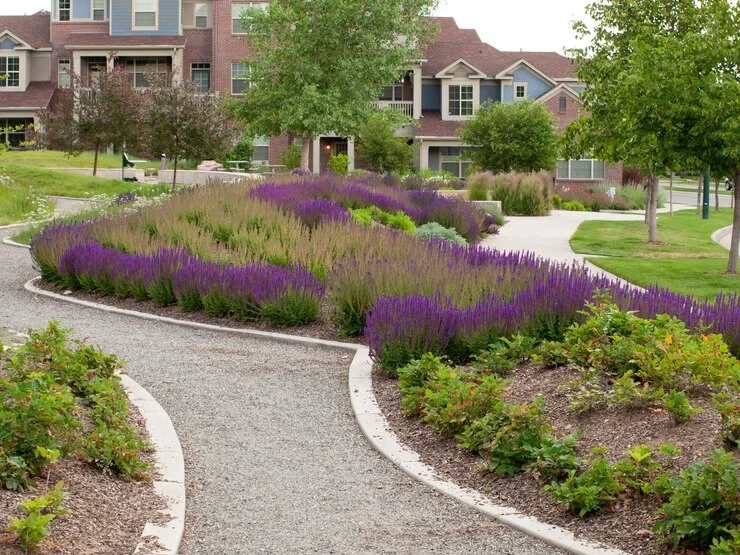
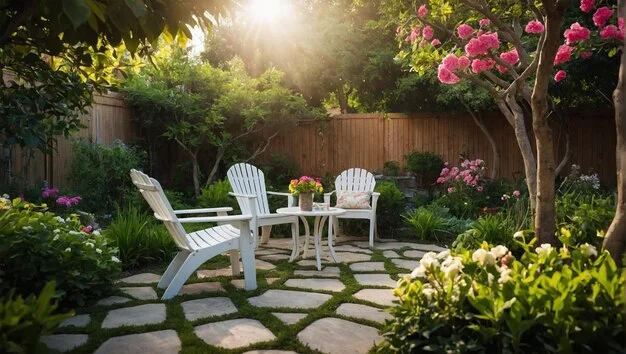
Tired of mowing, watering, and maintaining that same old grass lawn? You’re not alone. More and more homeowners are ditching the traditional turf in favor of creative, low-maintenance alternatives that still look stunning. Whether you’re aiming to save water, cut down on weekend chores, or just want something fresh and different, there are tons of exciting options out there. In this guide to the top 8 backyard ideas without grass, we’ll spark your imagination with inspiring, practical ideas to help you design a backyard that’s both beautiful and easy to maintain. 1. Native Plant GardenOne of the most popular backyard ideas without grass is a native plant garden. Native plants are well-adapted to your region’s climate and soil conditions, making them low-maintenance and environmentally friendly choices. Consider creating a diverse landscape with a mix of flowers, shrubs, and trees that attract local wildlife and provide year-round interest.2.XeriscapingXeriscaping is one of the most practical backyard ideas without grass, focusing on water conservation by using drought-tolerant plants and minimizing the need for irrigation. This approach is especially well-suited for arid climates or areas prone to drought. Choose plants such as succulents, cacti, and ornamental grasses, and incorporate hardscape features like gravel paths, rocks, and mulch to create a visually appealing and sustainable backyard design.3. Paver PatioA paver patio is one of the most popular backyard ideas without grass, offering a versatile and durable alternative to a traditional lawn. It provides a perfect space for outdoor dining, entertaining, or relaxation. Choose from a wide range of paver materials, such as concrete, brick, or natural stone, and select a pattern and layout that complements your home’s architecture and landscaping style. Enhance your patio with comfortable furniture, outdoor lighting, and decorative accents to create an inviting outdoor living area.4. Vegetable GardenTransform your outdoor space with one of the most rewarding backyard ideas without grass—starting a vegetable garden. Raised beds or container gardening can be used to grow a variety of fruits, vegetables, and herbs, even in small or urban spaces. Consider incorporating trellises, arbors, or vertical planters to maximize growing space and add visual interest to your garden. Not only will you enjoy fresh, homegrown produce, but you’ll also benefit from the therapeutic and educational aspects of gardening.5. Zen GardensCreate a tranquil retreat with one of the most peaceful backyard ideas without grass—designing a Zen garden inspired by Japanese design principles. Incorporate elements such as gravel or sand, rocks, and carefully placed plants to evoke a sense of harmony and balance. Add features like a meditation area, bamboo fountain, or stone lantern to enhance the ambiance and encourage relaxation and contemplation. A Zen garden provides a peaceful escape from the stresses of daily life and can be enjoyed year-round with minimal maintenance.6. Outdoor Kitchens & Entertaining SpacesTake your backyard entertaining to the next level with one of the most functional backyard ideas without grass—an outdoor kitchen that’s perfect for cooking, dining, and socializing alfresco. Design a custom cooking area with built-in grills, countertops, sinks, and storage cabinets to create a functional and stylish outdoor culinary space. Add amenities like a pizza oven, bar area, or fire pit to enhance the experience and extend your outdoor living season. With an outdoor kitchen, you can enjoy delicious meals and gatherings with family and friends while taking advantage of your backyard’s natural beauty.7. Wildlife HabitatInvite nature into your outdoor space with one of the most rewarding backyard ideas without grass—creating a wildlife habitat that provides food, water, shelter, and nesting sites for local birds, butterflies, and other wildlife. Plant native flowers, shrubs, and trees that attract pollinators and offer berries, seeds, or nectar throughout the year. Incorporate features like bird feeders, bird baths, and nesting boxes to support a diverse range of species and encourage biodiversity. By cultivating a wildlife-friendly garden, you’ll not only enjoy the sights and sounds of nature but also contribute to conservation efforts and ecosystem health. 8. Water-Wise & Eco-Friendly DesignsDesign a fun and functional play area for children with some exciting no grass backyard ideas that encourage outdoor play and imagination. Install swings, slides, and climbing structures that are safe and age-appropriate, and consider incorporating natural elements like logs, boulders, or sand for sensory exploration and creative play. Create designated zones for activities such as games, crafts, or gardening to keep kids engaged and entertained outdoors. With these no grass backyard ideas, your Bay Area landscape design can become a space where children can learn, explore, and connect with nature.Get Started with Your Lawn-Free or Low-Water Landscape Design with Lakota Design GroupAt Lakota Design Group, we specialize in Bay Area landscape design, turning your outdoor spaces into stunning, drought-friendly oases that are as beautiful as they are sustainable. Our expert team crafts landscapes tailored to your unique vision, focusing on low-water solutions that conserve resources while boosting curb appeal.We start by listening to your ideas, understanding your space, and considering your budget to create a design that suits your lifestyle perfectly. Our team then brings your dream to life with detailed 3D renderings, 2D layouts, and plant/material lists, making the design process easy and stress-free.Once your design is ready, we connect you with trusted, local contractors who are dedicated to making your vision a reality. Whether you’re looking for artificial turf, hardscaping, or native plant landscaping, we ensure your project is sustainable, functional, and visually striking.Final ThoughtsRedefining your outdoor space doesn’t have to be a daunting task. By exploring these top 8 Backyard Ideas without Grass, you can transform your property into a stylish, sustainable, and low-maintenance haven. The challenge of maintaining a traditional lawn is real, but with these inventive strategies, you can finally break free from endless upkeep.For personalized guidance and exceptional design execution, choose Lakota Design Group to bring your vision to life. With extensive experience in Bay Area landscape design, our team is dedicated to creating environments that are both beautiful and functional. When planning your next outdoor project, remember to choose Lakota Design Group—your trusted partner in
Are String Lights Best for Patio Lights
Uncategorized

Are String Lights Best for Patio Lights?

Outdoor lighting can completely change how your patio looks and feels. It adds a cozy atmosphere, helps with visibility at night, and creates a perfect space for relaxing or entertaining guests. Among the many lighting options available, string lights have become a favorite for many homeowners.But are string lights really the best choice for patio lighting? This article will explore that question by looking at how string lights perform in terms of style, usefulness, and how long they last. We’ll also share tips on choosing the best patio string lights and recommend a few top-rated options to help you get started. Whether you want a warm glow for a dinner party or just better lighting for evening hangouts, we’ll help you decide if string lights are the right fit for your patio. What Are String Lights and Why Are They Popular for Patios? Definition and Visual Appeal of String Lights String lights, also known as café or bistro lights, are decorative lighting fixtures where multiple small bulbs are spaced along an insulated wire or cable. These lights can be strung across spaces like patios, gardens, balconies, or pergolas to create a cozy and inviting environment. Their soft, twinkling glow adds a touch of charm and visual warmth, enhancing the aesthetic of any outdoor setting.Why They’re Popular for Patios String lights are especially popular for patios because they effortlessly create ambiance and a sense of intimacy. Whether you’re hosting a backyard gathering or simply enjoying a quiet evening outdoors, string lights can transform a plain patio into a magical retreat. They offer both functional lighting and decorative appeal, making them a favorite choice for homeowners looking to enhance their outdoor living space.Common Types of Outdoor String Lights When shopping for the best string light for patio use, it helps to understand the different types available: Globe Lights: These feature round bulbs and are known for their balanced glow and stylish appearance, perfect for festive outdoor settings. Edison Bulbs: These vintage-style bulbs have a warm, amber tone and exposed filaments, ideal for rustic or industrial-themed patios. Fairy Lights: Delicate and small, fairy lights are often used for subtle accents and are great for wrapping around railings or plants. LED String Lights: Energy-efficient and long-lasting, LED options are among the best outdoor patio string lights for durability and cost-effectiveness. Are String Lights the Best Option for Patio Lighting?String lights are a top choice for outdoor lighting, but are they always the best option? Let’s compare them to other types of patio lighting to help you decide.String Lights vs Other Patio Lights String Lights These are great for decoration and creating a warm, cozy vibe. The best outdoor patio string lights can also be waterproof and long-lasting, making them perfect for outdoor use. Lanterns Lanterns offer a soft glow and are often portable. They add a nice touch for tabletops or hanging from hooks, but may not light up a large area. Wall Sconces Sconces give strong, fixed lighting. They’re good for lighting up walkways or walls but don’t offer the same charm as string lights. Spotlights These are bright and focused, ideal for highlighting plants or areas like a grill or dining spot. But they can be too harsh for a relaxing setting. When String Lights Are the Best Choice Perfect for Parties and Relaxing Nights The best string light for patio settings creates a soft, romantic atmosphere that’s ideal for evening gatherings or casual dinners. Great for Decorating Whether you hang them across your pergola, wrap them around trees, or drape them along a fence, string lights bring style and warmth. When String Lights May Not Be Enough Need More Light? Add Extra Fixtures If you need brighter lighting for safety, cooking, or detailed tasks, string lights alone might not do the job. You may want to add sconces or spotlights for full coverage. Not Ideal in Strong Winds or No Support In open spaces without a place to hang them, or in very windy areas, string lights might be hard to install or maintain. Best Outdoor String Lights Overall Brightech Ambience Pro LED Outdoor String LightsThese are a top choice for many homeowners looking for a mix of style and reliability. The Edison-style LED bulbs give off a soft, warm white glow that’s perfect for patios, porches, or backyards. They’re energy-efficient, dimmable, and built with commercial-grade materials to withstand year-round outdoor use.Why They’re Great: Warm, cozy lighting Shatterproof and waterproof bulbs Easy to install and hang Great balance of style and durability If you’re shopping for the best patio string lights overall, Brightech Ambience Pro is a safe and stylish pick.Best Waterproof Outdoor String Lights Addlon 48 FT Outdoor String LightsFor areas that get a lot of rain or humidity, these waterproof string lights are a top performer. With an IP65 weatherproof rating, heavy-duty cords, and shatterproof bulbs, they’re made to last through all seasons. These are perfect for uncovered patios or gardens exposed to the elements.Why They’re Great: IP65 waterproof rating 15 shatterproof Edison-style bulbs Works with dimmer switches Affordable and reliable for outdoor use Looking for best patio string lights that can handle bad weather? Addlon is a trusted name.Best Heavy-Duty Waterproof Outdoor String Lights Feit Electric 48ft Outdoor String Light SetBuilt for long-term, heavy-duty use, this set is perfect if you want lights you can install once and leave up for years. The thick cord and weatherproof sockets make them excellent for permanent setups in patios, commercial spaces, or outdoor restaurants.Why They’re Great: Commercial-grade, heavy-duty build Water- and wind-resistant sockets Replaceable LED bulbs Ideal for year-round use in any climate For maximum durability, these are among the best patio string lights you can find.Pair Beautifully With Other Lighting StylesWhether you’re adding them to an existing setup or starting fresh, string lights blend beautifully with path lights, uplights, deck lighting, and more. This makes them one of the best outdoor patio string lights choices for anyone seeking a layered, professional lighting design. Their warm, ambient glow softens the

long lasting light bulbs for outside
Uncategorized

What Is the Longest Lasting Outdoor Lighting?

When it comes to outdoor lighting, longevity matters. No homeowner wants to deal with broken fixtures or constant replacements. That’s why choosing the longest lasting outdoor lighting is more than just a smart move—it’s an investment in peace of mind. In this guide, we’ll walk you through the most durable options on the market, from weather-resistant materials like brass and copper to energy-saving solar innovations. Whether you’re lighting up a cozy patio or a spacious garden, the right lighting will keep your outdoor spaces glowing beautifully for years to come—with less hassle and more enjoyment. 1. Why Longevity Matters in Outdoor Lighting Outdoor lights go through a lot—scorching sun, pounding rain, freezing cold, and even salty coastal air. Your fixtures aren’t just lighting up your space; they’re battling the elements year-round. That’s why durability isn’t just a nice-to-have—it’s essential for both safety and performance. Choosing high-quality, long-lasting outdoor lighting means fewer headaches and more peace of mind. These tough fixtures are built to weather it all, keeping your yard, patio, or garden shining bright without constant repairs or replacements. With the right lights, your outdoor space stays beautiful, functional, and worry-free, no matter what the forecast throws your way. 2. Top Material Choices for Long Lasting LightsWhen it comes to long-lasting outdoor lighting, the material of your fixtures makes all the difference. Choosing the right one means your lights will not only survive harsh conditions but also keep looking great year after year. Here’s a breakdown of the most reliable materials to help you make a smart, lasting choice:Brass – Built to Last, Styled to ImpressBrass is often considered the gold standard for outdoor lighting—and for good reason. It’s naturally resistant to corrosion and develops a beautiful patina over time, giving it a timeless look while standing strong against rain, snow, and sun. If you’re looking for lights that combine rugged durability with refined style, brass is the ultimate win-win.Copper – Elegant, Weather-Resistant, TimelessCopper lighting fixtures offer more than just good looks. Like brass, copper resists corrosion and ages gracefully with a rich patina that adds character. It’s especially ideal for wet or humid climates, making it perfect for gardens, patios, and lush landscapes. With copper, you get long-term performance wrapped in elegant design.Marine-Grade Stainless Steel – Coastal ToughnessLive near the beach or in a high-salt environment? Marine-grade stainless steel is your go-to. Engineered to resist saltwater corrosion, this material stays strong and shiny—even in the toughest coastal conditions. It’s sleek, modern, and practically immune to rust, making it a top choice for oceanfront homes or foggy regions.Powder-Coated Aluminum – Affordable and ReliableAluminum may not be as tough as brass or copper, but it’s a great option for homeowners on a budget. When powder-coated, it becomes significantly more resistant to rust and weather damage. Lightweight, versatile, and cost-effective, aluminum fixtures offer solid performance without breaking the bank.Plastic Fixtures – Budget-Friendly but Short-TermWhile plastic lighting may be easy on the wallet, it’s not built for the long haul. UV exposure and extreme weather can quickly take a toll, causing cracks, fading, or breakage. Plastic can work for seasonal setups or quick fixes, but for permanent or high-exposure areas, it’s best to invest in more durable options.The Bottom Line:If you’re serious about longevity and performance, materials like brass, copper, and marine-grade stainless steel should top your list. They may cost more upfront, but they pay off with years of reliable, maintenance-free lighting. Your outdoor space deserves fixtures that shine just as bright five years from now as they did on day one.3. Long Lasting Solar Lights: Technology Meets EfficiencySolar lighting technology has come a long way in recent years. Today’s long lasting solar lights are equipped with high-efficiency photovoltaic panels, long-lasting lithium-ion batteries, and durable LED technology. These advancements make solar lights a fantastic option for eco-conscious homeowners who want to reduce their carbon footprint while enjoying consistent lighting.Features to Look For in Long Lasting Solar Lights: Weatherproof Housing: Solar lights should be built with materials that can withstand rain, wind, and extreme temperatures. Replaceable Batteries: High-quality solar lights come with replaceable batteries, allowing you to extend the life of your fixtures without replacing the entire unit. Adjustable Solar Panels: To maximize solar efficiency, look for lights with adjustable panels that can be positioned to capture the most sunlight. Motion-Sensing Capability: Many long-lasting solar lights feature motion sensors, providing extra security for your property while conserving energy. Long lasting solar lights outdoor are especially beneficial for spaces where installing wired lighting isn’t practical. They offer the flexibility to light areas like pathways, gardens, or decks without the need for extensive electrical work.Benefits of Long Lasting Solar Lights: Eco-friendly and Cost-effective: Solar lights run on renewable energy, saving you money on electricity bills while being better for the environment. Easy to Install: Solar lights don’t require wiring, making installation quick and simple. Minimal Maintenance: With long-lasting batteries and weatherproof designs, these lights require minimal upkeep compared to traditional outdoor lighting systems. Ideal for Pathways, Decks, and Gardens: Solar lights are perfect for illuminating smaller spaces or highlighting key landscaping features, such as flower beds or shrubs. With advancements in technology, long lasting solar lights are now more reliable than ever. They provide a consistent light source night after night, regardless of weather conditions.4. Installation & Maintenance Tips for LongevityTo get the most out of your outdoor lighting, proper installation and maintenance are essential. Here are a few tips to ensure your lighting lasts as long as possible: Use Marine-Grade or Sealed Connectors: For wiring connections, opt for high-quality, weather-resistant connectors to prevent water damage.   Position Fixtures to Avoid Water Pooling: Ensure that your fixtures are positioned in a way that allows water to drain away, preventing rust and corrosion.   Clean Solar Panels Regularly: Dust, dirt, and debris can reduce the efficiency of solar lights. Keep solar panels clean to maximize their performance.   Replace Batteries When Needed: If your solar lights start to dim or stop working altogether, it might

How to Install Landscape Fabric Underneath Rocks
Uncategorized

How to Install Landscape Fabric Underneath Rocks

How to Install Landscape Fabric Underneath Rocks is a crucial step to maintaining a clean and low-maintenance outdoor space. It helps prevent weed growth, stabilizes the ground, and extends the lifespan of your Bay Area landscaping project. If you’re looking for the best landscape fabric under gravel, this guide will walk you through the entire process. Whether you’re working on a small garden path or a large rock landscape, proper installation ensures long-lasting results. Why Use Landscape Fabric for Rocks?Using landscape fabric for rocks provides multiple benefits: Weed Prevention: The fabric acts as a barrier, stopping weeds from sprouting through the rocks. Soil Erosion Control: It stabilizes the ground, reducing the chances of soil shifting. Improved Drainage: Quality landscape fabric allows water to seep through while preventing soil from mixing with the rocks. Low Maintenance: With proper installation, you won’t have to frequently remove weeds or re-level the area. Enhanced Aesthetic Appeal: Using landscape fabric creates a clean, uniform appearance by keeping your rock layout neat and intact. Extended Lifespan of Hardscaping: When combined with Bay Area Paver Installation, it adds durability by reducing ground shifts that can impact stone or paver placement. Step-by-Step Guide: How to Install Landscape Fabric Underneath Rocks1. Prepare the GroundBefore laying the landscape fabric under rocks, start by clearing the area. Remove all weeds, grass, and debris. If necessary, use a shovel to level the ground and ensure a smooth surface. For best results, consider using herbicide a few days before installation to kill any existing weeds.Also, ensure the ground is compacted properly. Loose soil can create dips over time, causing your rock layer to look uneven. If necessary, use a hand tamper or plate compactor to create a stable base.2. Install Edging for a Defined SpaceTo keep the landscape fabric and rocks in place, install edging materials such as bricks, plastic, or metal landscape borders. This step is particularly important for Bay Area Paver Installation, as it helps define pathways and decorative rock areas.3. Choose the Best Landscape Fabric Under GravelSelecting high-quality, durable landscape fabric is essential. Look for UV-resistant, woven fabric that allows for proper drainage while blocking weed growth. Avoid cheap, thin materials that might tear over time.The best landscape fabric for rocks should be heavy-duty, made from polypropylene or polyester, and should have small perforations to allow water to pass through without encouraging weed growth. Investing in premium fabric will prevent frequent replacements and additional labor costs.4. Lay the Landscape FabricUnroll the landscape fabric and lay it over the prepared area. Make sure to overlap sections by at least 6 inches to prevent weeds from growing through gaps. Secure the fabric with landscape fabric pins, pressing them firmly into the soil.For areas with high foot traffic or exposed edges, consider double layering the fabric for extra durability. This is especially beneficial for Bay Area Paver Installation, where stability is crucial.5. Cut Openings for Plants (If Needed)If you plan to add plants within your rock landscape, use scissors to cut an X-shaped opening in the fabric. Carefully fold back the edges and place your plants inside. After planting, secure the fabric back around the base of the plant to minimize weed growth.6. Add a Layer of Gravel or Small RocksTo enhance stability and protect the fabric, spread a thin layer of gravel before placing larger rocks. This step is particularly useful for Bay Area Paver Installation projects, where stability is crucial. The gravel helps with drainage and prevents fabric from shifting under pressure.7. Spread the Rocks EvenlyNow, it’s time to add your chosen rocks over the fabric. Spread them evenly to cover the entire area while ensuring they are firmly in place. Use a rake to distribute the rocks smoothly and check that no fabric is exposed.For a more refined look, consider mixing different sizes of rocks. Larger stones create a natural feel, while smaller gravel fills gaps and adds structure. If working on a Bay Area Paver Installation, ensure rock placement complements the overall hardscape design. Maintenance Tips for Landscape Fabric Rocks Regularly check for any fabric exposure and cover it with additional rocks if needed. Remove any debris or fallen leaves to prevent organic matter buildup, which can encourage weed growth. If weeds start appearing, pull them out immediately before they establish roots. Check the rock layer periodically and replenish areas where rocks have shifted or thinned out over time. Inspect edging materials to ensure they remain secure, preventing rock displacement and maintaining a polished look. Why Choose Lakota Design Group for Bay Area Paver Installation?For professional and seamless Bay Area Paver Installation, trust Lakota Design Group. Our team specializes in high-quality landscape design, ensuring your rock landscaping project is durable and visually appealing. With expertise in installing the best landscape fabric for rocks, we help homeowners achieve stunning outdoor spaces that require minimal upkeep.Whether you’re working on a backyard pathway, a decorative rock garden, or a full Bay Area Paver Installation, Lakota Design Group has the skills and experience to bring your vision to life. We understand the importance of selecting the right materials and executing precise installation to guarantee long-lasting results.By choosing Lakota Design Group, you ensure that your outdoor space is designed with both beauty and function in mind. Our team is committed to quality craftsmanship, ensuring that your landscaping elements remain intact and vibrant for years to come.Contact us today to learn more about our landscape design services and enjoy a hassle-free, long-lasting outdoor space!FAQs1. How long does landscape fabric last under rocks?High-quality landscape fabric can last anywhere from 5 to 15 years, depending on exposure to elements and the type of fabric used.2. Can I put landscape fabric over existing weeds?It’s best to remove all weeds before installing fabric. Using herbicide and clearing vegetation ensures better long-term results.3. Does landscape fabric allow water to drain?Yes, most high-quality landscape fabrics are designed to allow water and air to pass through while blocking weeds.4. How deep should rocks be over landscape fabric?A 2-3 inch layer of

When to Cut Back Ornamental Grasses
Uncategorized

When to Cut Back Ornamental Grasses

Ornamental grasses add beauty, texture, and movement to your landscape throughout the year. However, to keep them healthy and thriving, knowing when to cut back ornamental grasses is crucial. The best time to trim them is in late winter or early spring before new growth begins. This timing prevents winter damage while ensuring the grasses have enough time to regenerate.Cutting back ornamental grasses too early in winter can expose the plant’s crown to harsh weather, while trimming too late in spring can interfere with new growth. To prune effectively, use sharp shears or hedge trimmers to cut the grass 2 to 6 inches above the ground. For larger grasses, electric trimmers or chainsaws may be necessary.Beyond aesthetics, pruning helps remove dead foliage, prevents disease, and promotes healthy regrowth. If you prefer to support wildlife, consider delaying trimming until early spring, as uncut grasses provide shelter for birds and small animals. By following these best practices, you can ensure your ornamental grasses remain a stunning and vibrant part of your landscape year after year. Why Is Cutting Back Ornamental Grasses Important? Over time, ornamental grasses can become overgrown, tangled, or develop dead growth, negatively affecting their appearance and overall health. Without regular maintenance, they may start to look unkempt and lose their structured, elegant appeal. More importantly, dense and untrimmed grasses can smother new growth, restricting their ability to thrive. Additionally, accumulated dead foliage can create the perfect environment for pests, fungi, and diseases, which can spread throughout your  Bay area landscape design.Trimming ornamental grasses at the right time is essential to maintaining their beauty and vitality. Cutting them back promotes strong regrowth by allowing fresh shoots to emerge without competition from old, lifeless stems. Proper air circulation is also improved, reducing the risk of mold and mildew. Well-maintained ornamental grasses will not only enhance your garden’s visual appeal but also contribute to a healthier and more balanced ecosystem. By keeping them in check, you ensure a vibrant and thriving bay area landscape throughout the seasons.When to Cut Ornamental Grass for Optimal Growth Best Time to Cut Ornamental GrassesThe ideal time for cutting back ornamental grasses depends on their type: Cool-Season Grasses (like Fescue and Blue Oat Grass): Trim in late winter to early spring before new growth emerges. Warm-Season Grasses (such as Miscanthus, Pampas Grass, and Fountain Grass): Cut back in late winter or early spring, just before new shoots appear. Tip: Avoid cutting back too early in winter, as the dried foliage offers insulation and protection from extreme cold.Should Ornamental Grasses Be Cut Back for Winter?Many gardeners wonder if they should trim their grasses before winter. The answer? It depends on your climate and aesthetic preference. In colder regions, leaving the grass intact through winter adds visual interest and provides habitat for wildlife. If your grasses become floppy or unsightly, you can lightly prune them in late fall but avoid heavy trimming. Takeaway: While winter cutting is optional, it’s best to perform heavy pruning in late winter to early spring for optimal regrowth.How to Trim Ornamental Grasses the Right WayStep-by-Step Guide: Choose the Right Tools: Use sharp garden shears, hedge trimmers, or even electric trimmers for large clumps. Bundle the Grass Together: Tie the grass with twine to make cutting easier and neater. Trim to the Right Height: Cut about 6 to 12 inches above the ground for best regrowth. Dispose of the Cuttings Properly: Use them as mulch or compost for a sustainable garden. Can You Trim Ornamental Grasses in Summer? If you missed the early spring trimming, can you trim ornamental grasses in summer? Yes, but with caution. Heavy pruning during active growth can stress the plant and reduce its vitality. If needed, perform light maintenance trims by removing brown or damaged leaves. Avoid cutting more than one-third of the plant to prevent stunting growth. Best Practice: Stick to early spring trimming for major cuts and use summer pruning only for shaping and tidying up.you can also read about Affordable Artificial Grass Installation ServicesCommon Mistakes to Avoid When Trimming Ornamental GrassesCutting back ornamental grasses at the right time is essential for maintaining their health and beauty. However, common mistakes can impact their growth and longevity.Cutting Too Late: If you delay trimming into mid-spring, you risk damaging new shoots, which can result in uneven growth and a weaker plant structure. Ideally, ornamental grasses should be pruned in late winter or early spring before fresh growth emerges.Cutting Too Short: While trimming is necessary, cutting too close to the ground can hinder regrowth and weaken the plant. Leaving about 2 to 6 inches of old growth ensures the plant has enough energy to regenerate properly.Ignoring the Grass Type: Not all ornamental grasses have the same cutting schedule. Some cool-season grasses benefit from light trimming, while warm-season varieties require more aggressive pruning. Research your specific grass type to determine the best approach for maintaining a lush and healthy landscape.Final ThoughtsKnowing when to cut back ornamental grasses ensures a thriving, beautiful garden year-round. Whether you’re wondering when to cut ornamental grass, should ornamental grasses be cut back for winter, or the best time to cut ornamental grasses, following these guidelines will keep your Bay area landscape design in top shape.And if you ever ask, “Can you trim ornamental grasses in summer?”, remember: light trims are fine, but heavy pruning is best done in early spring.For expert landscaping solutions, trust Lakota Design for your Bay Area landscape design needs. We specialize in keeping your garden vibrant and well-maintained all year long.Choose Lakota Design Group for this service and transform your outdoor space today!FAQsWhen is the best time to cut back ornamental grasses?The best time to cut back ornamental grasses is in late winter to early spring before new growth begins.Should ornamental grasses be cut back for winter?It depends on your preference. Leaving them up provides winter interest, but they can be cut back in late fall if they become unsightly.Can you trim ornamental grasses in summer?Yes, but only lightly. Heavy pruning during summer

Small Backyard Ideas
Uncategorized

35 Small Backyard Ideas That Make a Big Impact

Having a small backyard doesn’t mean you have to compromise on style, functionality, or creativity. With the right design ideas, you can transform your outdoor space into a cozy and inviting retreat. Whether you’re looking for ways to maximize your space, enhance privacy, or add aesthetic appeal, these small backyard ideas will help you make the most of your outdoor area. Maximizing Space in a Small Backyard Use Vertical Gardening – Grow plants on walls, trellises, or hanging baskets to save ground space. Vertical gardens add greenery and freshness without occupying valuable floor space. Incorporate Multi-Level Decking – Create visual interest and define different areas by adding layers. Multi-level decks can separate dining, lounging, and gardening areas. Install Built-in Seating – Benches with storage reduce clutter and provide additional seating. This is a smart way to combine functionality and aesthetics. Choose Foldable Furniture – Opt for space-saving chairs and tables that can be stored when not in use. These allow for more open space when entertaining guests. Utilize Corner Planters – Make use of every inch by placing planters in corners. This method keeps the center space open and visually appealing. Use Mirrors to Create the Illusion of Space – Strategically placed mirrors reflect light and make a small backyard appear larger. Design a Sunken Lounge Area – Digging down instead of building up can create an intimate and spacious feel while defining separate zones. Install Wall-Mounted Foldable Tables – Perfect for small patios, these tables provide a functional dining or workspace without permanently occupying space. Stylish Small Backyard Landscaping Ideas Add a Water Feature – A small fountain or pond creates a relaxing atmosphere. Water elements bring tranquility and a sense of luxury. Use Pavers for a Defined Pathway – Helps organize the space while adding charm. Stone or brick pathways add structure to your backyard layout. Layer Different Plants – Incorporate various heights and textures for depth. Use tall plants at the back and shorter ones in front to create a lush, layered effect. Opt for Drought-Tolerant Plants – Easy maintenance and eco-friendly options like succulents and native plants. These require minimal watering and care. Create a Rock Garden – Ideal for low-maintenance Bay area landscape design with a modern touch. Rock gardens add a contemporary appeal while being easy to maintain. Use Artificial Turf for a Green Look Year-Round – This low-maintenance alternative to grass keeps your yard looking fresh and vibrant. Install a Small Zen Garden – A simple arrangement of sand, stones, and minimalist greenery can provide a peaceful retreat you can read about 10 Small Front Yard Landscaping Ideas for a Stunning Look Backyard Ideas for Small Backyards with Seating & Entertainment Design an Outdoor Lounge – A cozy nook with outdoor cushions and a fire pit. Perfect for relaxing or entertaining guests. Hang a Hammock – Perfect for relaxing without taking up too much space. A hammock adds a touch of leisure and comfort. Install a Pergola or Canopy – Adds shade and defines the sitting area. These structures enhance the aesthetics of the space. Set Up a Bistro Dining Area – Small tables and chairs create an intimate setting. This setup is ideal for morning coffee or romantic dinners. Use a Portable Fire Pit – Adds warmth and serves as a focal point. A fire pit makes outdoor gatherings cozier. Create an Outdoor Cinema Setup – A foldable screen or a blank wall with a projector can turn your small backyard into a cozy movie night destination. Incorporate a Swing Chair or Egg Chair – Adds a stylish and comfortable seating option without taking up too much room. Enhancing Privacy in Small Backyard Spaces Install Tall Planters or Shrubs – Natural fencing for seclusion. Dense foliage ensures privacy while enhancing beauty. Use Outdoor Curtains – Adds softness and privacy to patios. Curtains are a cost-effective way to create an intimate setting. Create a Lattice Wall with Vines – Stylish and functional for blocking views. Climbing plants make this an eco-friendly solution. Build a Small Wooden Fence – Offers an intimate setting without feeling enclosed. Choose a design that complements your home’s aesthetic. Incorporate a Living Wall – Greenery that doubles as a privacy screen. A living wall adds oxygen, beauty, and functionality. Use Bamboo Screens – Lightweight yet effective for privacy while adding a tropical feel. Hang Outdoor Artwork or Panels – Decorative outdoor panels can provide both privacy and aesthetic appeal. Creative Garden Ideas for a Small Backyard Grow Herbs in Containers – Fresh, aromatic, and perfect for cooking. Container gardening is flexible and easy to manage. Use Hanging Planters – Great for maximizing space. Hanging pots allow for creative plant arrangements. Create a Mini Vegetable Garden – Raised beds allow for easy upkeep. Growing your vegetables provides fresh produce at your fingertips. Plant Climbing Roses or Jasmine – Adds fragrance and vertical interest. These plants enhance beauty and scent. Use Recycled Materials for Planters – Unique and eco-friendly solutions. Repurposed items give your garden a rustic charm. Install a Compact Greenhouse – A small greenhouse allows year-round gardening and protects plants from harsh weather. Create a Fairy Garden – Miniature decorations, tiny plants, and a whimsical theme add charm to a small backyard. Outdoor Lighting and Décor Ideas String Lights for Ambiance – Instantly enhances the evening mood. Twinkling lights create a magical setting. Use Solar Path Lights – Energy-efficient and visually appealing. Solar lights are environmentally friendly and cost-effective. Install Lanterns or LED Candles – Cozy and romantic atmosphere. These lighting options provide a warm glow. Incorporate Reflective Surfaces – Mirrors or metallic decor make spaces feel larger. They add depth to your backyard. Choose a Bright Color Scheme – Light hues give an illusion of more space. White, pastel, or neutral colors can brighten up the backyard. Add a Vertical Wall Mural – A nature-inspired mural or artistic design can serve as a focal point in a small backyard. Final ThoughtsNo matter the size of your backyard,

8 Best Outdoor Deck Lighting Ideas to Transform Your Home
Uncategorized

8 Best Outdoor Deck Lighting Ideas to Transform Your Home

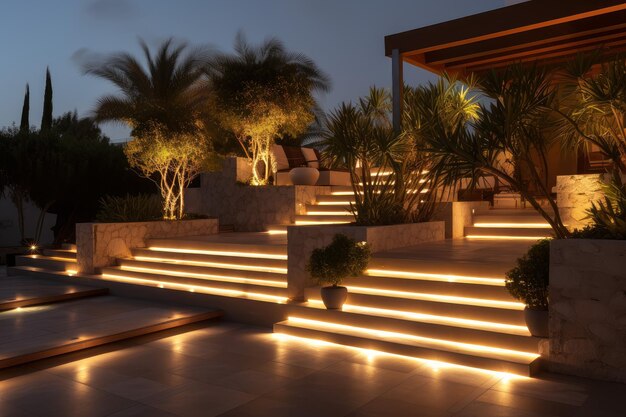
Do you want your backyard to glow and your house to look gorgeous after dark? These 8 Greatest Outdoor Deck Lighting Ideas Will Complete Your Home Makeover. Whether you’re entertaining, having a drink, or just taking in your garden beneath the stars, the ideal illumination creates the ideal atmosphere. Deck lighting, from intelligent safety lighting to chic design elements, is not only practical but also a potent means of extending your living area outside and expressing your individuality. You can create a cozy, welcoming space that improves your curb appeal and turns every evening into a staycation with a few well-considered improvements. Are you prepared to illuminate the path? Discover the best decking lighting ideas that may totally change your house, one exquisitely lit evening at a time. The Basics of Outdoor Deck Lighting Lighting ideas for decking serve more than just an aesthetic purpose. Proper lighting allows you to enjoy your outdoor space well into the night, enhances safety, and highlights the unique features of your deck. The right lighting ideas for decking can create a warm and inviting ambiance, whether you’re building a new deck or renovating an old one.Choosing the Right Light Temperature: Bright, Warm, or Cool? Consider the atmosphere you wish to create before you begin exploring ideas for deck lights. Cooler lights offer a sleek, modern look, while warm white lights are perfect for creating a cozy, inviting vibe. LED and solar lights are excellent choices for deck light ideas as they are energy-efficient, long-lasting, and customizable to suit your needs. Putting Safety First with Intelligent Lighting When planning deck lighting, safety should be the top priority. Be sure to light steps, walkways, and edges to avoid accidents. LED lights and motion-sensor lights are examples of low-voltage solutions that save energy and improve visibility. Adequate lighting is not only aesthetically beautiful but also essential for safely enjoying your deck at night.Lighting mounted on postsA classic choice for outdoor deck lighting, post mount lights distribute light evenly and widely by installing on deck posts. These lights are safe and fashionable, making them perfect for railings or walkways.Lights that hangHanging lights create a cosy, patio-like ambiance on your deck. They are ideal for dining or relaxing spaces since they add ambiance and brightness. Weatherproof string lights or pendant lights are great ways to warm and cosy your outdoor space.Lighting with Fibre OpticsFor a luxurious touch, fibre optic lights create a stunning starry appearance. Although installation may require professional assistance, it’s a unique and eye-catching option for anyone looking to turn their deck into an elegant haven.Lights on stringsDue to their affordability and ease of installation, string lights are a popular choice for outdoor decks. They can be wrapped around pergolas, stretched around railings, or suspended between posts. They’re a stylish and adaptable way to add personality and cosiness to your deck.Lighting on the stairsStair lights are necessary for both safety and aesthetic reasons. When put into the risers or along the sides of the stairs, they ensure that every step is visible. LED lights are a great choice for this since they generate a lot of light while using less electricity.Combination of Fan and LightThis light and fan combination provides both illumination and cooling, making it ideal for covered decks. It’s a great method to stay warm on hot summer nights while bringing in more light and airflow.Lighting in RecessesRecessed lights are a chic, subtle option that blends in well with your deck. They maintain a sleek, modern look and are perfect for illuminating borders, stairways, and built-in chairs.Illuminating the wallsIf your deck is adjacent to a wall or fence, wall-mounted lights are a great choice. They can softly wash the space with light or draw attention to specific features like plants or artwork. Wall sconces powered by solar energy are an eco-friendly option. Searching for Lighting That Uses Less Energy?LED and solar deck lights are the ideal choices if you’re looking for low voltage or environmentally friendly options. These options will not increase your energy costs and are low-maintenance and energy-efficient. The further advantage of solar lights, in particular, is that they don’t require an electrical grid connection.Designs for Deck Lighting to Fit Your Personal StyleThere are deck lighting options to fit your style preferences, whether you prefer a minimalist modern design, a rustic cabin vibe, or a coastal aesthetic. For more depth, mix and match various fixture types, play around with light temps, and overlay lighting.Things to Take Into Account When Installing Deck LightingConsider elements like weather resistance, power source (solar or wired), and placement when arranging your deck lights. For best results, choose fixtures that are rated for outdoor use and think about hiring a lighting expert.Makeover Your Deck with Proper LightingA dark, unutilised deck can be transformed into a lovely nighttime area with the correct illumination. You may improve your home’s curb appeal, add usefulness, and create a lovely ambiance for your family and friends with these eight deck lighting ideas. Take inspiration from these lighting suggestions and realise your ideal outdoor area. If you want the best landscape installation service in San Jose Contact Lakota Design Group.8 Best Outdoor Deck Lighting Ideas on a BudgetLooking to brighten up your deck without overspending? Here are eight outdoor deck lighting ideas that blend style, function, and affordability:1. String LightsVersatile and cost-effective, string lights can be draped along railings, pergolas, or overhead beams. Opt for LED or solar-powered options to save on energy one of the easiest lighting ideas for decking that instantly adds charm.2. Solar Path LightsPerfect for illuminating steps, edges, and walkways these require no wiring and automatically recharge during the day. Among the most practical deck lighting ideas for safety and ambiance.3. Battery-Operated LED LightsA flexible and affordable option for stair risers, under-rail lighting, or accent spots. No electrical work needed just place and enjoy. These lighting ideas for decking are ideal for renters or temporary setups.4. Fairy Lights in Jars or LanternsRepurpose mason jars or decorative lanterns with fairy lights for

How to Get Rid of Moss on Your Lawn
Uncategorized

How to Get Rid of Moss on Your Lawn

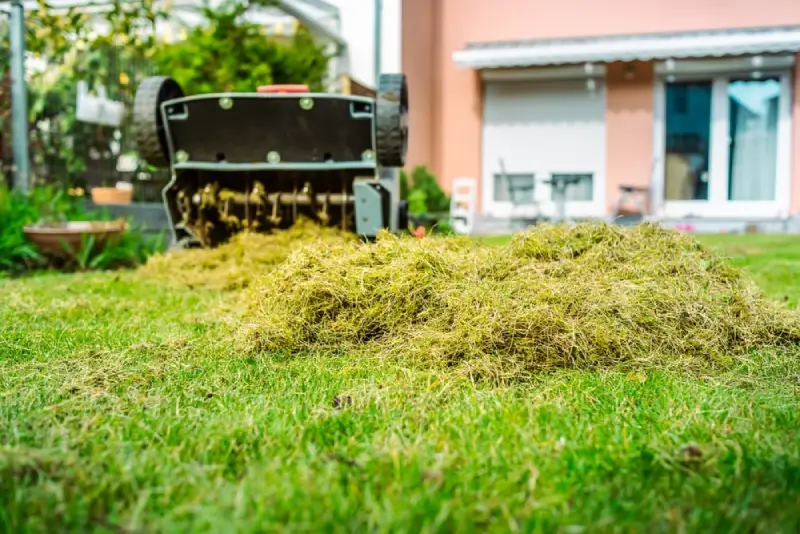
Have you ever looked at your lawn and wondered why unsightly patches of moss keep appearing, no matter how hard you try to maintain a lush green carpet? If you’re tired of battling moss and ready to reclaim a vibrant, healthy yard, then this guide on How to Get Rid of Moss on Your Lawn is your roadmap. In this comprehensive article, we’ll walk you through everything from identifying the root cause of moss to proven techniques that help you get rid of moss in yard, get rid of moss in lawns, and ultimately get rid moss lawn for good. Let’s dive in and transform your outdoor space! 1. Identify the Cause of the MossImagine your lawn as a canvas. When moss appears, it’s a clear signal that something isn’t quite right. But what is it?Moss thrives where grass struggles. It’s not a weed—it’s a resilient plant that flourishes under specific conditions. Here’s what to look for: Excess Moisture and Poor Drainage: Waterlogged soil due to overwatering or heavy rainfall creates a perfect environment for moss. When your yard holds too much moisture, it becomes much harder to get rid of moss in yard permanently. Compacted Soil: Heavy foot traffic or natural soil compaction can suffocate your grass. When the soil is too dense, grass roots can’t expand, making it easier to get rid of moss in lawns because the competition is weak. Low Soil pH: Moss loves acidic soil. If the pH is too low, grass will struggle to grow, and moss will seize the opportunity to take over. This means if you want to get rid moss lawn, you must first balance your soil’s pH. Lack of Sunlight: Areas shaded by trees or buildings don’t allow grass to thrive, but moss does just fine. Limited sunlight gives moss the upper hand, making it more challenging to get rid of moss in yard. Nutrient Deficiency: Poor fertilization can leave your lawn weak. Without enough nutrients, grass can’t compete, and moss spreads more easily. It’s one of the biggest hurdles to get rid of moss in lawns effectively. 2. Rake the MossNow that you know what’s inviting the moss to your lawn, it’s time for some hands-on action. Raking is the first line of defense! Use a Dethatching Rake or Scarifier: These tools are designed to remove dead grass and moss simultaneously. The key is to thoroughly rake the affected areas—if you want to get rid of moss in yard, make sure every patch is tackled. Work in Sections: Break your lawn into manageable sections and focus on one area at a time. This methodical approach ensures you don’t miss any spots that need to get rid of moss in lawns. Dispose of the Moss: After you’ve raked, collect the moss and dispose of it properly. This step is critical if you aim to get rid moss lawn permanently. By vigorously raking your lawn, you’re not only physically removing the moss but also loosening up the soil—helping your grass to recover and making it easier to get rid of moss in yard long-term.3. Use an Organic Moss KillerIf manual removal isn’t enough, organic solutions can be a gentle yet effective way to attack moss without harming your lawn. Create a Vinegar Solution: Mix a diluted solution of vinegar and water (be careful with the concentration, as too much vinegar can damage grass). Apply this solution directly to the moss, aiming to get rid of moss in lawns naturally. Baking Soda Mixture: Another option is to mix baking soda with water. This solution slightly alters the pH on the moss surface, making conditions less favorable. It’s a safe way to get rid moss lawn organically. Apply on a Dry Day: For the best results, spray your organic moss killer when there’s no rain in the forecast. Consistent, repeated applications will help you get rid of moss in yard over time. Organic moss killers work best for light infestations and can be an excellent complement to other methods, helping you get rid of moss in lawns while maintaining the overall health of your yard.4. Use a Chemical Moss KillerFor tougher, more stubborn moss infestations, chemical solutions might be necessary. These products can provide a more aggressive approach to get rid of moss in yard. Select the Right Product: Look for moss killers that contain iron sulfate or potassium salts. These ingredients are proven to effectively dehydrate and kill moss. Follow Instructions Carefully: Always read the label and apply the product during dry weather. This precision is key if you want to get rid of moss in lawns without damaging your surrounding grass. Repeat if Necessary: Depending on the severity of the infestation, you may need to apply the chemical moss killer more than once to fully get rid moss lawn. While chemical treatments can be very effective, use them sparingly and always consider your lawn’s long-term health when trying to get rid of moss in yard.5. Aerate the LawnHealthy grass starts with healthy soil. Aeration is an essential process for getting rid of moss in lawns and promoting strong, resilient grass growth. Use a Lawn Aerator: Aeration involves removing small plugs of soil from your lawn, which relieves compaction and improves air, water, and nutrient movement. Regular Aeration: Aim to aerate your lawn at least once a year. This not only helps you get rid of moss in yard but also sets the stage for better grass growth, making it easier to get rid moss lawn permanently. Benefits Beyond Moss Removal: Aeration can also enhance the effectiveness of fertilization and overseeding efforts, further reinforcing your efforts to get rid of moss in lawns. Aeration is a proactive measure that can make a dramatic difference in your lawn’s health, ensuring you’re not just temporarily removing moss but creating conditions that make it harder to get rid moss lawn.6. Improve DrainageExcess water is a common culprit behind moss growth. Addressing drainage issues is critical if you want to get rid of moss in

What Happens to Your Lawn During Cold Weather?
Uncategorized

What Happens to Your Lawn During Cold Weather?

Winter brings a unique set of challenges for your lawn, and many homeowners find themselves asking, “does grass grow in winter?” As temperatures drop and the days shorten, the dynamics of your lawn change dramatically. In this article, we’ll explore what happens to your lawn during cold weather, address common questions like “can grass grow in winter” and “can grass grow in the winter,” and offer practical solutions to help you maintain a healthy yard all season long. Plus, we’ll explain why understanding these changes is key to effective winter lawn care.Understanding Your Lawn’s Winter CycleDuring cold weather, lawns enter a natural state of dormancy—a survival mode where growth significantly slows as the grass conserves energy for the coming spring. While many wonder, “does grass grow in winter?” the answer is that most grass species only exhibit minimal growth during these months. Changes in soil temperature, moisture levels, and nutrient availability all play a role in how your lawn behaves. Understanding these natural cycles is critical for preparing your yard for winter and is a core principle of our Bay Area Landscape Design philosophy. Common Questions: Does Grass Grow in Winter?One of the most frequently asked questions in winter lawn care is, “does grass grow in winter?” Homeowners are understandably concerned about maintaining a lush, green lawn despite the cold. Let’s break down these concerns: Does grass grow in winter? For most cool-season grasses, growth is significantly slowed during winter. The colder temperatures and reduced daylight trigger a natural dormancy. So while grass may appear to be “sleeping,” it’s conserving resources for a burst of growth in spring. Can grass grow in winter? The short answer is yes, but only minimally. Under ideal conditions—like a mild winter with consistent moisture—slight growth may occur. However, the primary focus is on survival rather than rapid expansion. Can grass grow in the winter? In regions with milder winters, some grass types might continue to grow slowly, but in colder areas, growth is nearly negligible. Does grass grow in the winter? Ultimately, while grass does grow in winter, its growth is minimal. The focus during this period should be on maintenance and preparing for the warmth of spring. These clarifications help alleviate misconceptions and set the stage for effective winter care strategies.How Cold Weather Affects Your LawnWinter’s impact on your lawn goes beyond slowed growth. Cold weather can stress your grass in several ways: Temperature Stress: Low temperatures slow the metabolic processes of grass, meaning your lawn works hard to survive even if it isn’t actively growing. Moisture Variability: Winter can bring rain, snow, and subsequent dry spells when the snow melts, resulting in uneven water distribution in the soil. Soil Conditions: Cold weather affects soil structure and nutrient availability. Frozen ground limits the movement of nutrients, which can affect the health of your grass when growth resumes. Frost Damage: Repeated freeze-thaw cycles can damage grass blades, making them more susceptible to disease and pest attacks. Understanding these challenges is critical because while you may ask, “does grass grow in winter?” the real concern is whether your lawn is managing these stresses effectively. Incorporating principles from Bay Area Landscape Design can help you develop a proactive winter care strategy.Preparing Your Lawn for WinterNow that we’ve explored the challenges, let’s discuss solutions. A proactive approach can ensure your lawn remains healthy throughout the winter months. Adjust Your Mowing Routine: As growth slows, raise your mower deck so that grass retains more of its leaf surface, helping protect the plant and maintain a green appearance even with minimal growth. Water Wisely: Although the question “can grass grow in winter” may suggest watering is less critical, proper moisture management remains essential. Water your lawn during dry spells, but avoid overwatering to prevent fungal issues. Fertilize Appropriately: Late fall fertilization can supply your lawn with necessary nutrients to endure winter and jump-start growth in spring. Heavy fertilization during winter, however, may promote disease rather than healthy growth. Control Weeds and Pests: Weeds and pests can take advantage of a weakened lawn. Preemptively applying appropriate herbicides and pesticides will help protect your turf. This preventive measure aligns with the holistic approach of Bay Area Landscape Design in maintaining outdoor spaces. Aerate and Overseed: Aeration improves soil structure by ensuring your lawn receives adequate oxygen and water. Overseeding can fill bare spots, making your lawn thicker and more resilient during winter. It’s crucial to ask, “does grass grow in winter?” because proper maintenance techniques prepare your lawn for dormancy. What You Can Do If Your Lawn Is AffectedEven with careful planning, some lawns may struggle during winter. If you notice patches of bare or thinning grass, consider these steps: Rake and Remove Debris: Keeping your lawn free of fallen leaves and debris improves air circulation and reduces the risk of mold or disease. Top-Dress with Compost: A thin layer of compost can boost soil health and supply nutrients to support recovery when temperatures rise. Monitor for Frost Damage: If signs of frost burn appear, consider protective measures such as temporary covers during particularly cold snaps. Addressing these issues promptly can make a significant difference, ensuring that when spring arrives, your lawn is ready to bounce back. Incorporating expert tips from Bay Area Landscape Design practices can further enhance your winter lawn care routine.Embracing the Truth: Can Grass Grow in Winter?Many homeowners wonder, “can grass grow in winter?” and the answer is nuanced. Under ideal conditions, such as a mild winter with adequate moisture, slight growth may occur. However, for most regions, the focus should be on survival rather than vigorous growth. The critical takeaway is that while does grass grow in winter, its growth is minimal, and your lawn is mainly in a state of dormancy.By understanding your lawn’s dynamics during the cold months, you can adopt strategies that protect and nurture it, ensuring that when warmer weather returns, your yard is primed for rapid growth and vibrant color. Whether you’re asking, “can grass grow in the winter” or

Landscape Lighting Ideas
Uncategorized

22 Landscape Lighting Ideas for a Stunning Nighttime Display

Your outdoor space doesn’t have to fade into the shadows when the sun sets. With the right landscape lighting bay area, your garden, front yard, or backyard can be transformed into a beautiful, enchanting space that is just as inviting at night as it is during the day. Whether you’re hosting a cozy gathering, relaxing with family, or simply admiring the beauty of your garden after dark, landscape lighting ideas can help elevate your outdoor living experience. These lighting solutions add both aesthetic appeal and functionality, providing safety, ambiance, and dramatic flair. Here are 22 landscape lighting ideas that will ensure your garden, trees, and front yard shine through the night. 1. Pathway Lighting for Safety and BeautyLandscape lighting Bay area ideas for pathways can transform the way you experience your garden and yard at night. Illuminate winding paths, walkways, and garden borders with low-level lights that gently guide guests through your space. These lights not only provide safety but also create a warm, inviting atmosphere. You can use solar-powered or low-voltage lights for energy efficiency.2. Spotlight on Trees for a Majestic LookLandscape lighting bay area ideas for trees are a game-changer when it comes to making your outdoor space feel dramatic and magical. Install uplights at the base of tall trees to highlight their intricate branches and bark texture. The light will create beautiful shadows on the ground, drawing attention to the natural beauty of your trees. This effect works especially well with trees that have unique shapes or vibrant foliage.3. String Lights for a Cozy, Romantic VibeString lights are a timeless way to add charm and warmth to your outdoor living areas. Whether you drape them over fences, trees, or a pergola, landscaping ideas with lights like string lights create a cozy and intimate ambiance that’s perfect for outdoor dinners, gatherings, or just a relaxing evening in the backyard. Their soft, twinkling glow will instantly make your space feel magical.4. Underwater Lights for Pond or Fountain FeaturesIf your garden includes a pond, fountain, or water feature, consider adding underwater lights to create a serene, tranquil atmosphere. The soft lighting will highlight the movement of water, creating a beautiful reflection and shimmering effect that will mesmerize anyone who views it. This is one of the most enchanting garden landscape lighting ideas, adding a touch of luxury and sophistication to your outdoor space.5. Wall Wash Lighting to Accent ArchitectureOutdoor landscape lighting ideas can extend to your home’s exterior as well. Wall wash lighting is a fantastic way to highlight architectural features such as brick, stone, or textured walls. By casting a gentle, even glow across a surface, wall wash lighting brings out the details of your home’s design, giving it depth and character. This lighting technique is perfect for creating a warm and inviting atmosphere around your porch or patio.6. Up-Lighting for a Dramatic EffectUp-lighting is one of the most striking landscape lighting ideas you can implement. Install lights at the base of trees, plants, or architectural features and direct the beams upward to create a dramatic, eye-catching effect. This technique adds height and intrigue to your landscape, casting beautiful shadows and highlighting the textures of the surfaces illuminated. It’s ideal for creating a bold, majestic look in larger outdoor spaces.7. Accent Lighting for Outdoor ArtOutdoor art, such as sculptures, fountains, or decorative elements, deserves to be seen even at night. Garden landscape lighting ideas for accentuating your art with spotlights or directed light can add dimension and focus. By highlighting your art pieces, you can create an impressive focal point in your garden or yard, making your outdoor art pop against the darkness. 8. Fire Pit Lighting for an Inviting Gather-aroundA firepit is a perfect centerpiece for outdoor gatherings, and you can enhance its charm with complementary lighting. Place lanterns, fairy lights, or low-level landscape lights around the seating area to create an inviting glow. The combination of natural firelight and soft outdoor lighting will make your firepit the heart of the evening, perfect for conversations or star-gazing.9. Garden Bed Lighting for Colorful Displays Show off your garden beds and flower beds with lighting that highlights the colors of your plants after dark. Landscaping ideas with lights can include spotlights that direct light on specific blooms or soft illumination that fills the bed. This not only enhances the beauty of your garden but also allows you to enjoy its colors in the evening. You can use low-voltage lighting or solar-powered fixtures to keep things energy-efficient.10. Hanging Lanterns for Rustic EleganceFor a touch of rustic elegance, consider hanging lanterns throughout your garden or along pathways. These lantern-style lights add a vintage charm to your landscape and work wonderfully when paired with other natural elements, like wooden fences or stone pathways. Lanterns can be hung from tree branches, pergolas, or hooks to create an enchanting outdoor setting that feels like an intimate escape.11. Recessed Lighting for a Sleek, Modern LookFor a sleek, minimalist approach, recessed lighting is a perfect choice. Outdoor landscape lighting ideas such as recessed lights installed along steps, decks, or under railings provide a clean, unobtrusive glow that adds both elegance and functionality. They’re ideal for modern spaces and can be installed flush with the surface for a subtle look that doesn’t detract from your landscaping.12. Landscape Lighting for Your Front YardYour front yard is the first impression of your home, so why not enhance it with well-placed front yard landscape lighting bay area ideas? Illuminate your driveway, garden beds, or architectural features like a porch or entrance. Strategically placed lighting can highlight your home’s unique style while increasing its curb appeal and making it safer for guests.13. Motion Sensor Lights for Safety and Convenience Installing motion sensor lights along walkways, driveways, or near entry points provides both security and convenience. These lights automatically turn on when movement is detected, providing illumination when needed. This is an excellent option for outdoor spaces that require extra security, and the lights will turn off after a set time, saving

Our Client's Reviews

Copyright © 2025 | Localpro1 | All Rights Reserved.

English